Breaking: The two letters “wa” are muddying critical weather messages today. I am flagging a real communications risk that can slow response during fast moving climate hazards. Two regions share the same initials, Washington in the United States and Western Australia. At the same time, many people use “WA” to mean WhatsApp, and “wa” as casual slang for “what.” In a storm or heatwave, that mix can cause delay, error, and danger.
What “wa” means in a climate emergency
In urgent weather updates, clarity saves time. “WA flood watch” can point to Washington’s rivers in flood stage. It can also point to Western Australia’s Pilbara coast under a cyclone watch. “WA down” can mean a messaging app is failing just as alerts go out. “wa?” can be someone asking for a repeat at the worst moment.
I am seeing confusion across community channels when short tags replace full names. It is small, but it matters when minutes count. A two letter tag should never stand between a family and a safe route out.

Identical initials in two hemispheres, plus app slang, turn “wa” into a risky shortcut. Spell it out every time.
Why timing matters right now
December is a split screen month for the two WAs. In Washington, the North Pacific sends moisture rich systems toward the coast. Atmospheric rivers often line up. Heavier rain falls on steep terrain. That lifts the risk of landslides, debris flows, and river flooding. Wind storms can knock out power. When snow levels jump, rain on snow can push streams over their banks.
Western Australia enters peak heat as the south bakes and the north watches the tropics. Heatwaves test the grid and water supply. Dry fuels mean fast moving bushfire weather on hot, windy days. Farther north, tropical lows can spin up and track along the coast. A small wobble changes who sees storm surge or flash floods.
Climate change loads the dice for both places. Warmer air holds more water, which feeds heavier downpours. Marine heat adds energy to storm systems. Hotter summers stretch heatwaves and push fire danger higher. None of this is theoretical. It shows up in longer shoulder seasons, stronger rain bursts, and more compound events like wind plus rain plus coastal surge.
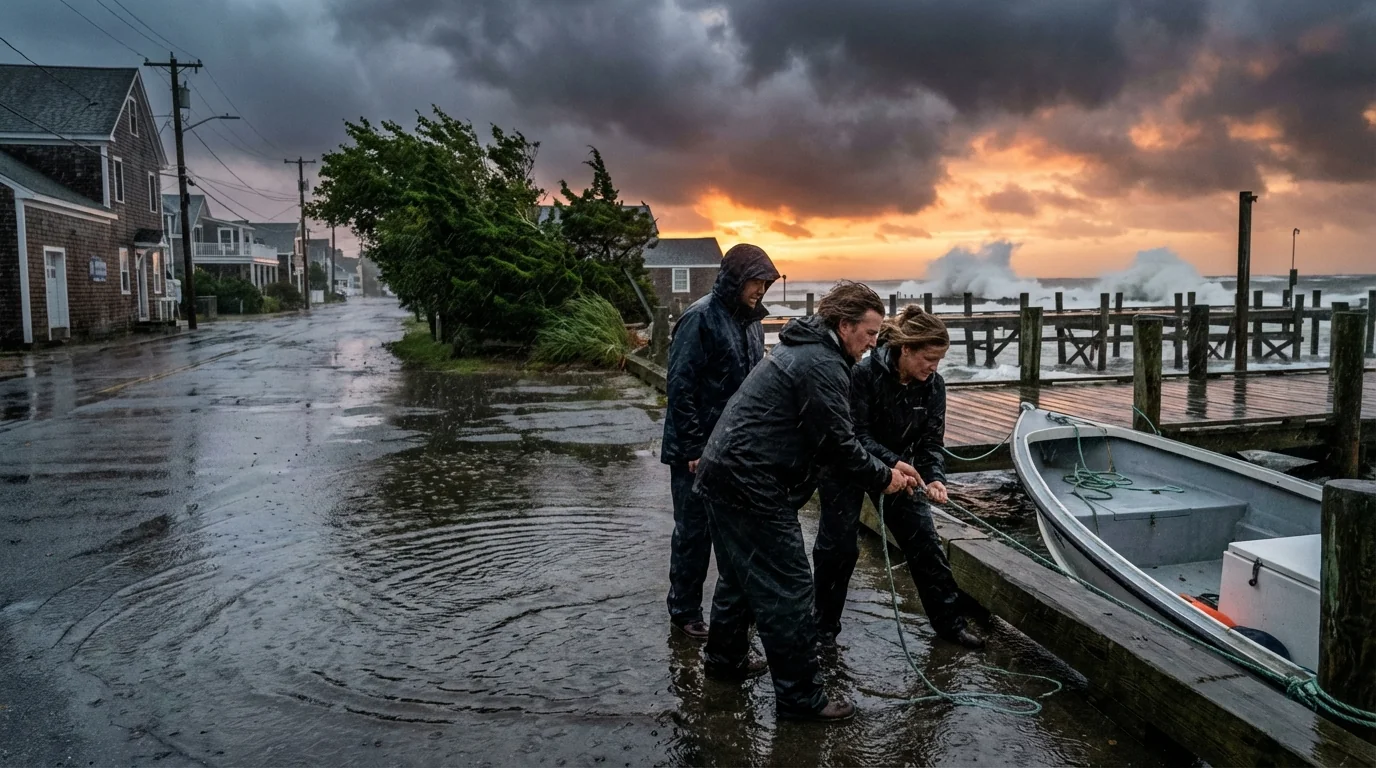
Clear words, faster action
When weather turns, simple language moves people to act. Forget clever shortcuts. Use full names, full dates, and clear hazards. If you manage a local group or post community updates, adopt a plain text format and stick to it.
- Lead with the place spelled out, Washington State or Western Australia, plus the city or region.
- Name the hazard, flood, heat, fire, wind, or cyclone, and the start and end times with time zone.
- Add one action, move uphill, stay indoors, cool down, evacuate along Route X, check on neighbors.
- Link to an official map or gauge if available, plus a phone line that works without data.
Draft a template before the storm. Keep it on your phone, on paper, and in your go bag.
Sustainability needs clear signals
Resilience is not only sandbags and solar panels. It is also clean, fast information. Clear alerts reduce wasted trips by responders, which cuts fuel use. They help utilities stage repair crews where they are needed most. They help families plan cooling, water use, and charging without panic. In fires, sharp maps and names keep people off closed roads, which lowers emissions from gridlock and opens lanes for tankers.
Build redundancy now. Charge devices early. Keep a battery radio, printed contacts, and a local meeting spot. In heat, share shade and water plans. In flood, share route maps and elevation points. Neighborhood networks are climate tech too.
How to check if an alert is real and relevant
You can verify a hazard fast without getting lost in noise. Follow this quick sequence.
- Identify the “WA.” Confirm Washington State or Western Australia in the first line.
- Check the official weather authority for that region. Look for matching warnings by name and date.
- Cross check one local source, emergency management, river or fire agency, or a local broadcaster.
- Look at a live utility or transport map if the alert mentions outages or road closures.
- If the message came through a chat app and seems off, call a local hotline to confirm before acting.
Strong finish: Two letters should never blur a life saving message. As storms, heat, and fire risks grow, we must choose clarity over speed. Spell it out, verify it twice, and act with purpose. Lives, and smart climate choices, depend on it. ⚠️