BREAKING: USGS faces twin tests, a major Alaska quake and a false alert, as coastal loss warnings grow
Monday, December 8, 2025
A sharp jolt in Alaska. A false alarm in the West. A warning from the coast. The U.S. Geological Survey is in the hot seat today, and our climate future is right there with it.
What just happened
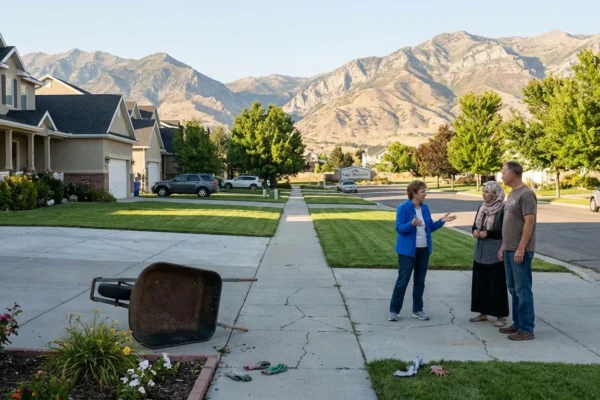
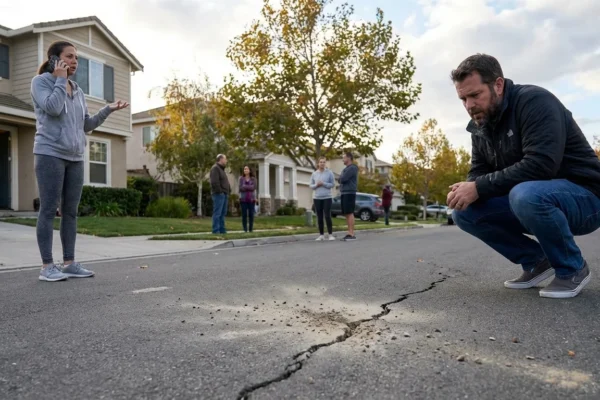
A magnitude 7.0 earthquake struck near Yakutat, Alaska, on Saturday. Instruments placed the depth near 10 kilometers, which is shallow for a quake this size. Shallow quakes push more energy to the surface. Early damage reports remain limited, in part because the area is remote. I am tracking aftershocks that will likely continue for days.
[IMAGE_1]
Two days earlier, a false magnitude 5.9 alert flashed on phones across Nevada and California. The alert came through apps tied to the USGS ShakeAlert system. There was no quake. Sirens did not follow. Buildings did not sway. The agency says it has opened an investigation into the false detection.
If you get an alert and feel shaking, do not wait. Drop, Cover, Hold On. Protect your head and neck.
This is the second notable false warning tied to the network this year. That is rare, but it matters. An early warning system must be both fast and trusted. The Yakutat quake shows why speed saves lives. The false ping shows why trust is fragile.
Why this matters for climate and weather
Earthquakes are tectonic, not climate driven. Yet risk does not live in silos. Heavy rain, rising seas, and storm surge can magnify quake impacts. Waterlogged hillsides are more likely to slide after shaking. Flooded roads slow emergency response. Warmer oceans fuel stronger Gulf storms, which push higher water into low coasts.
The same sensors and models that guide alerts also guide climate resilience. When an agency moves fast in a crisis, people listen. When it stumbles, doubt grows. In a hotter, wetter world, we need both speed and trust.
Louisiana’s vanishing edge
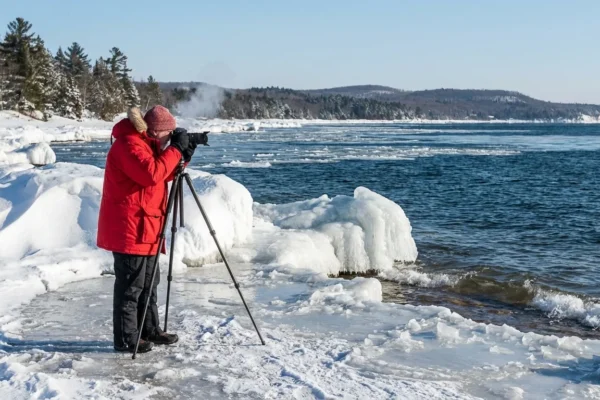
At the same time, USGS coastal monitoring points to a hard truth. Louisiana’s shoreline keeps retreating. The land is sinking, a process called subsidence. Seas are rising. Marshes are eroding under higher water and stronger waves. Each storm chews a little more off the map. Updated coastal maps for 2026 are due in March. The new lines will not move landward by choice. They will move because the water is winning.
Wetlands are not just scenery. They are storm shields, fish nurseries, and carbon sponges. Marsh grasses slow surge. Mudflats catch sediment. Healthy deltas lock away carbon in wet soils.
Lose marsh, lose protection. Every acre gone means higher surge and more damage inland.
The path forward is clear even if it is not easy. Rebuild land with sediment diversions. Restore marsh with native plants and dredged material. Elevate homes and roads above future water. Use living shorelines, not only concrete walls, to cut wave energy. Plan for managed retreat in the highest risk zones.
[IMAGE_2]
Balancing speed and trust at USGS
Two very different stories, one shared test. The agency must deliver real time alerts without false alarms that erode public faith. Strong safeguards can help. Cross check signals across stations. Filter out noise from blasts and glitches. Hold back big alerts for a few extra seconds when data are messy, while still pushing fast local shaking warnings.
I will watch the Yakutat aftershock sequence and the false alert review. I will also track the March coastal map release. Our risks are connected, and so are our choices.
- What you can do now:
- Set your phone to allow earthquake alerts, and practice Drop, Cover, Hold On.
- In flood zones, know your evacuation route and keep your gas tank at least half full.
- Support local wetland projects and push for resilient building codes.
- Store documents, meds, and chargers in a grab bag near the door.
Build a two week kit. Water, shelf food, headlamp, radio, batteries, first aid, and copies of key papers.