BREAKING: Second straight day of ABC12 school closings across Michigan’s Thumb. Ice and wind are keeping buses parked, classrooms dark, and families scrambling this Thursday, December 11, 2025. Districts from Bad Axe to Vassar paused in-person learning again after a rough Wednesday. The early winter pattern remains stubborn and dangerous.
What closed, and why it matters
I am confirming widespread closures today across Huron, Tuscola, and Sanilac Counties. Bad Axe, Harbor Beach, Cass City, Ubly, Unionville-Sebewaing, Caro, Millington, and Vassar are among the districts sidelined. Tech centers, including Tuscola and Huron, and several early learning and daycare sites also shut down. Many of these same schools were closed on Wednesday.
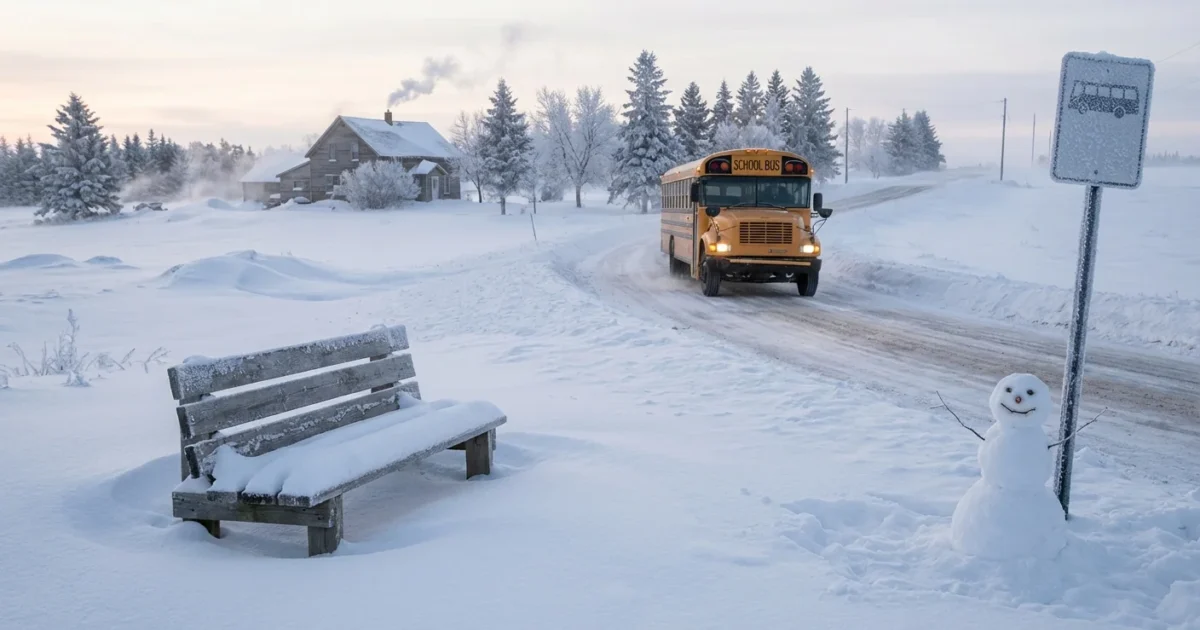
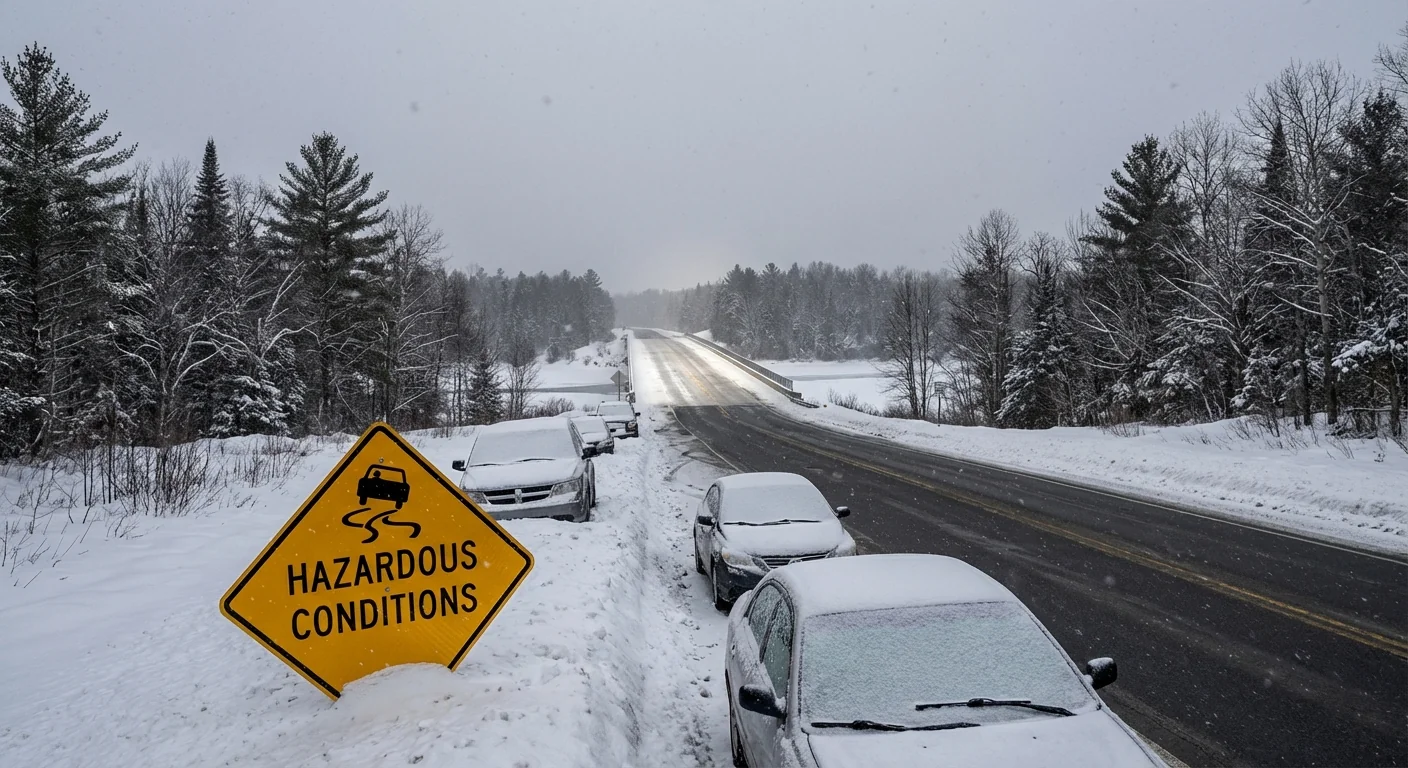
The reasons are simple, and serious. Black ice, low visibility from blowing snow, and drifted rural roads make the morning bus run unsafe. Even main highways improved overnight, but outlying routes remain slick. Backroads with open fields saw wind carve ridges across lanes. Those ridges hide ice below a light new coating of snow.
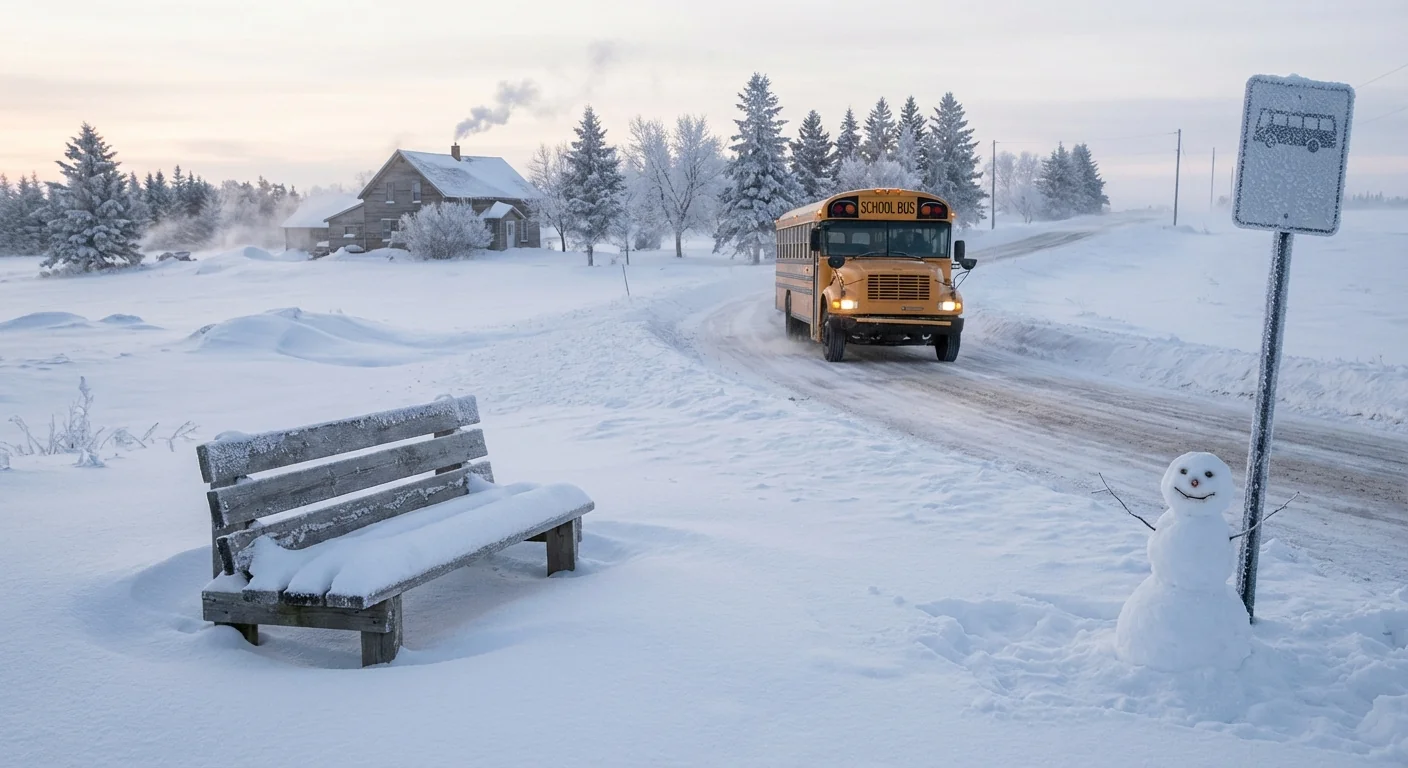
Two consecutive closure days strain families and staff. Parents juggle childcare. Seniors lose practice time before exams. Career tech students miss hands-on labs. Food service teams are working on meal pickup options where roads allow. District leaders are weighing makeup days and limited e-learning for older grades to keep skills sharp.
The weather setup behind the shutdowns
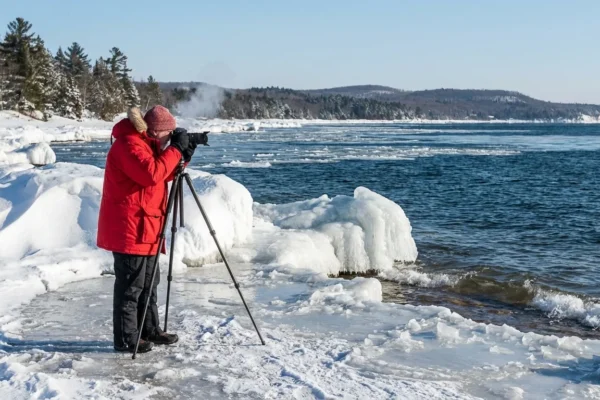
This is a classic Great Lakes one-two punch. A quick-moving clipper dragged colder air over Lake Huron last night. The lake is still relatively warm for December, so it fed moisture into the system. Many spots saw a glaze of freezing drizzle around sunset. Then a burst of light to moderate snow settled on top of that ice. Overnight winds in the 25 to 35 mile per hour range pushed snow into drifts and kept road temperatures pinned below freezing.
A warmer lake, a longer window for ice and snow
Here is the climate signal. The Great Lakes have been freezing later in winter over recent decades. Less early season ice means more open water in December. Open water adds heat and moisture to passing storms. That boosts lake-effect snow and increases the risk of mixed precipitation, including freezing rain. We are also seeing more frequent freeze and thaw swings. Melt during the day, then refreeze at night. That cycle builds black ice that plows and salt cannot erase instantly.
Travel remains hazardous on untreated and shaded roads. Expect hidden ice under wind-blown snow, especially on rural east to west routes and bridge decks.
Community impact, and smarter winter operations
Two days off is more than a snow day story. It is a public safety choice and an operations puzzle. Road crews are burning through overtime and material. Schools are balancing safety, learning, and the environmental costs of winter chemicals. Salt keeps people safe, but heavy chloride use damages streams and soils. Many agencies now spray brine before storms to reduce the total salt needed. Some blend salt with sand to improve traction while cutting runoff.
Districts are also leaning on flexible plans. Some high school teachers are pushing short online assignments. Younger grades focus on reading logs and paper packets. Bus garages are inspecting cold-soaked fleets and waiting for plows to punch through drifts on the longest routes.
- Expect delayed extracurriculars as plows clear lots and sidewalks
- Watch for meal pickup notices if your district offers them
- Check bus app alerts for Friday route status
- Keep students on a light study plan to ease the return
Keep an emergency car kit ready. Include a blanket, phone charger, ice scraper, sand or kitty litter, and a small shovel.
What to watch this afternoon and Friday
Winds ease later today, which helps plows catch up. Sunshine is possible in breaks, but it will not melt much. Any slush will refreeze near sunset. Drifts will rebuild in the usual open stretches. Administrators will drive roads before dawn on Friday, then decide. That call hinges on backroad traction and visibility, not just main highways. I am tracking lingering lake-effect bands curling off Lake Huron. If they pivot into central Huron and northern Tuscola overnight, fresh slick spots return by morning.