Breaking now, a strong magnitude 6.3 earthquake has struck southern Mexico, rattling Guerrero state and the city of Acapulco. Shaking was sharp and widely felt. I am tracking live seismic feeds, and the ground movement registered within the past hour. Early instruments also picked up a separate moderate M4.2 event east of Acapulco around 08:17 am local time. Officials are assessing impacts as aftershocks begin.
What we know right now
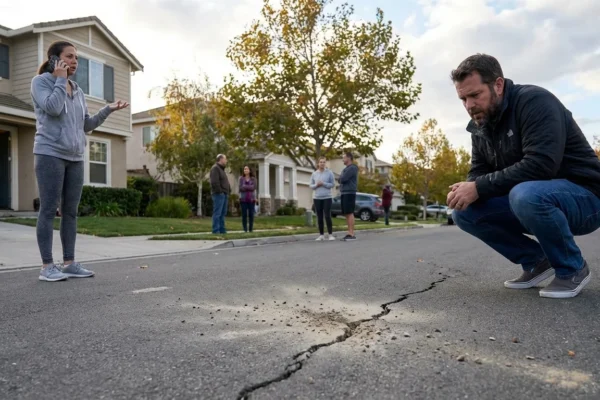
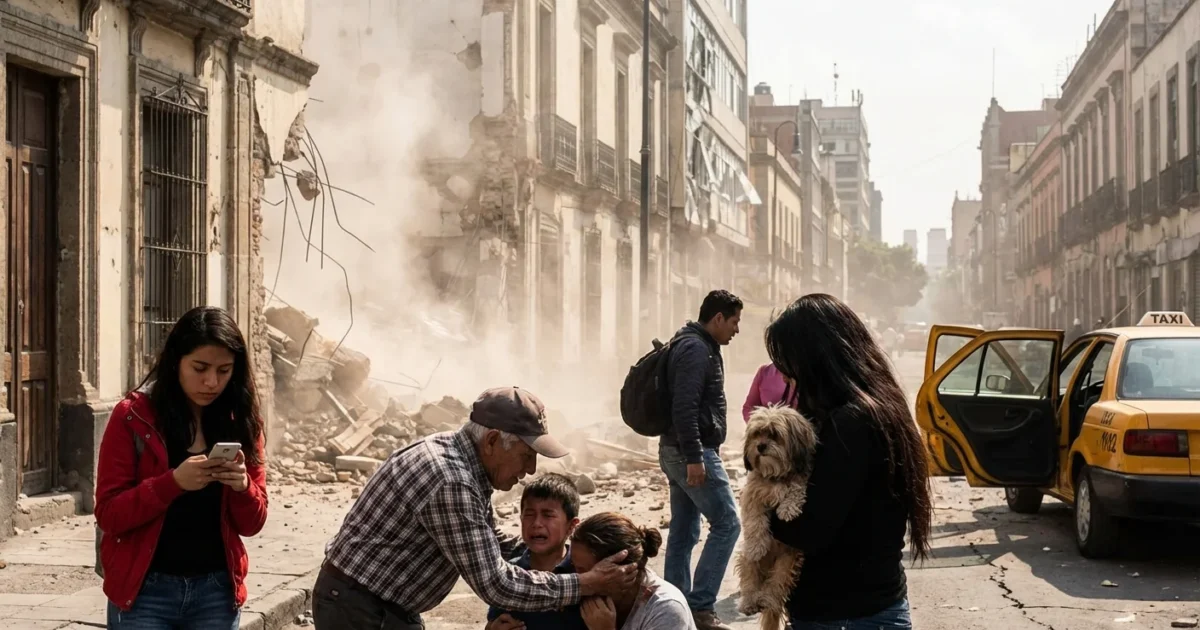
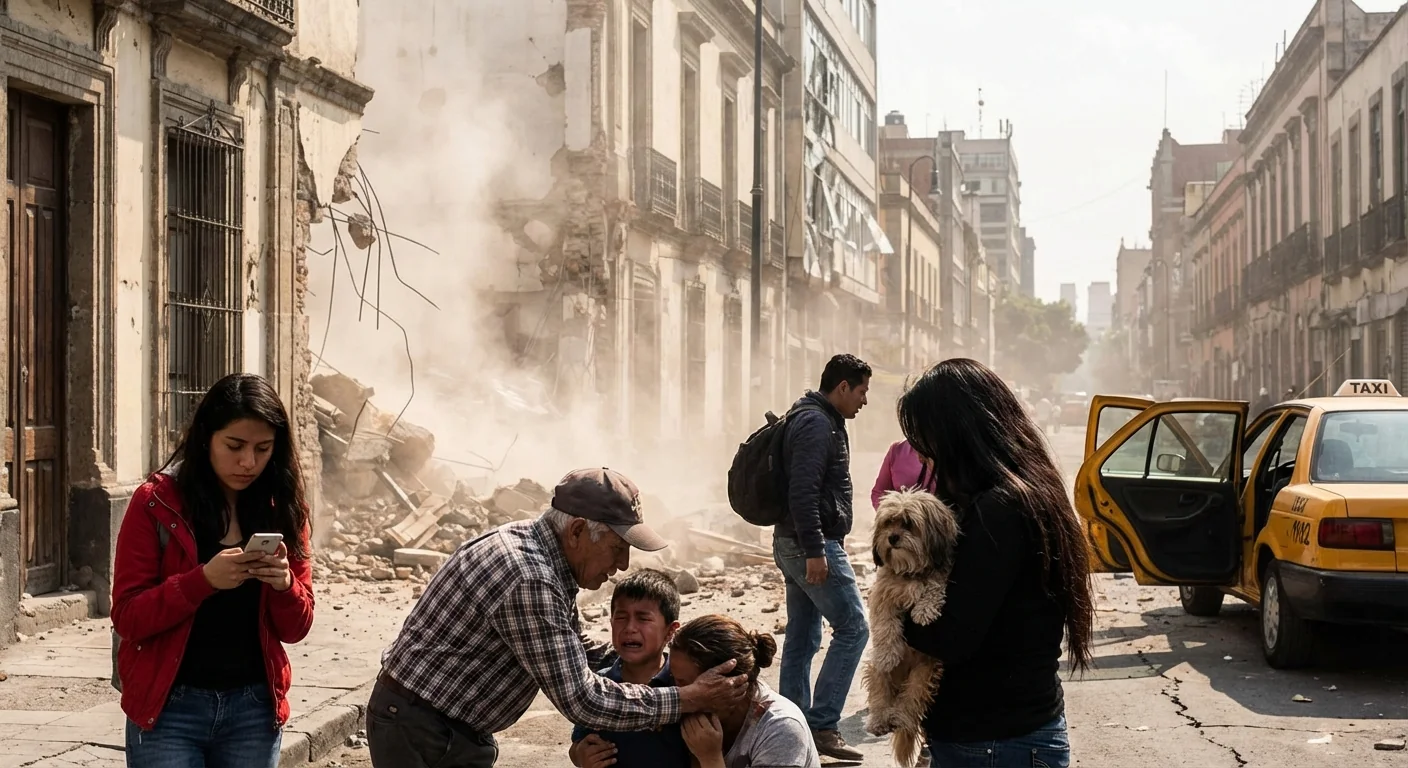
The main shock shook hotels along the bay, hillside neighborhoods, and inland valleys. Reports describe swaying buildings, falling items, and short power flickers. Cell networks remain patchy in spots. Crews are surveying bridges and coastal roads for cracks.
Aftershocks are likely through the day. Some may be strong enough to drop debris from damaged walls. Magnitude and epicenter details may be revised as agencies refine data. That is normal in the first hour of any significant quake.
Residents and travelers should expect temporary service delays. Elevators may be shut for checks. Water lines and gas lines are being inspected. Be ready for sudden shaking again, especially if you are near steep slopes.
Why Guerrero shakes so often
Guerrero sits on one of the most restless edges of the planet. The Cocos plate dives under the North American plate just off this coast. That slow, grinding motion locks at times. Stress builds. Energy releases as earthquakes.
Some parts of the coast break often. Others stay quiet for years, then rupture in bursts. Scientists watch this zone closely. Mexico’s early warning network often buys a few seconds of notice when quakes begin offshore. That short window can save lives, but it does not stop damage near the epicenter.
Quakes are not caused by weather. They are driven by the movement of Earth’s plates. But the damage from a quake can be shaped by recent weather and climate pressure. That is where today’s risk grows.
Quakes, weather, and compounding risk
Steep hills around Acapulco are prone to landslides. Heavy rain in recent months, even if scattered, can leave soils loose and fractured. A strong jolt can send that weakened earth downhill. Drains clogged by past storms push runoff onto roads and into homes if water service lines break.
Coastal infrastructure is also under strain. Sea level rise and stronger coastal flooding raise baseline risk. Ports, seawalls, and power lines that already face salty air and corrosion are more vulnerable to shaking. Pacific climate patterns, like El Niño, can shift rainfall and heat. Those swings shape how ready, or fragile, slopes and soils are when a quake hits.
The lesson is simple. Earthquakes are natural. Disasters are not. Disasters form when hazards meet exposed and weakened systems.
Stay away from damaged buildings, steep ravines, and waterfront edges until officials clear them. Aftershocks can trigger collapses and small slope failures even hours later.
What to do as aftershocks roll in
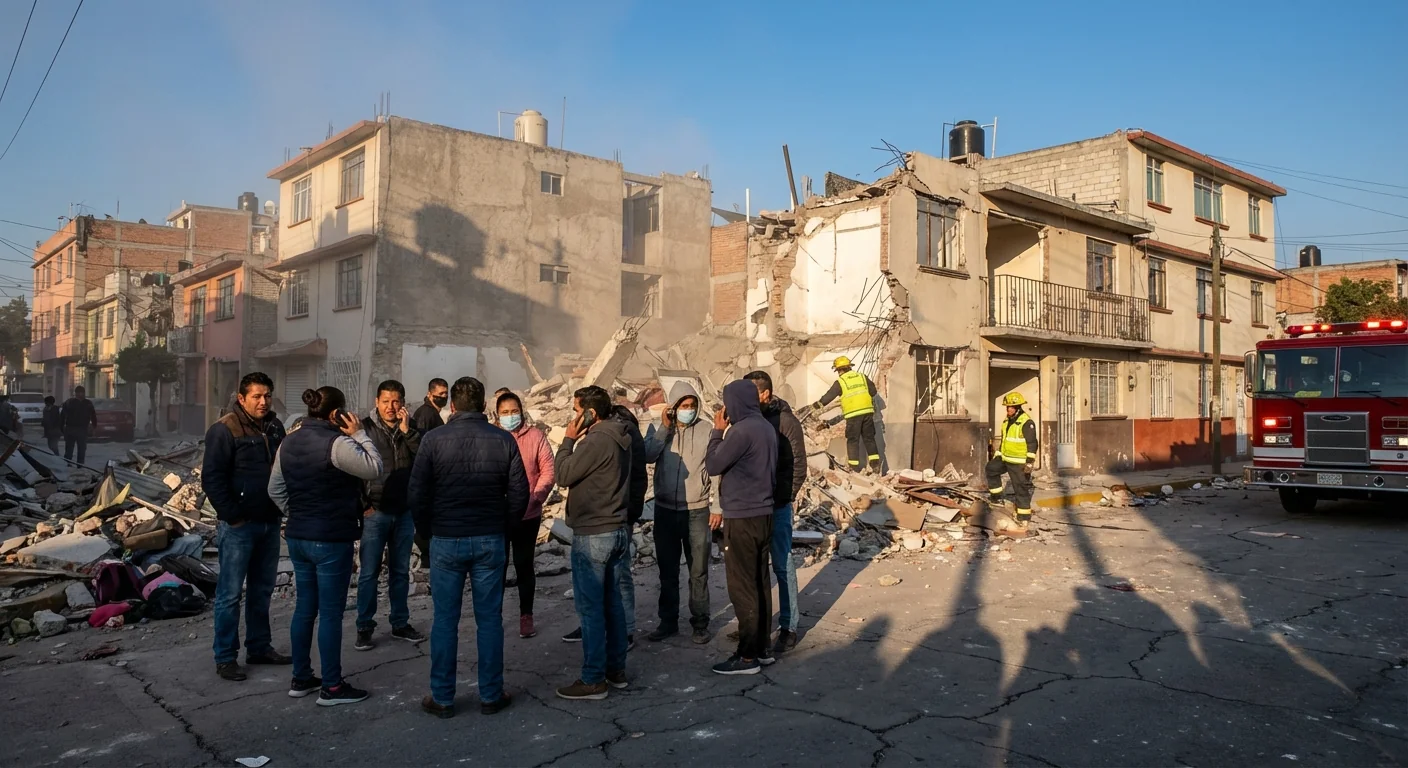
Aftershocks often follow a main shock for days. Some can be felt across the bay and inland. Treat each one seriously and act fast.
- Drop, cover, and hold on if you feel shaking. Protect your head.
- If outside, move to open space away from walls, glass, and power lines.
- Check for gas leaks by smell or sound. If suspected, turn gas off and go outside.
- Avoid elevators. Use stairs and watch for loose plaster or tiles.
- Use texts, not calls, to keep networks open for emergencies.
Verify information through official alerts from civil protection and trusted seismic agencies. Keep a flashlight, sturdy shoes, and a charged battery pack within reach.
What comes next
Expect a map of aftershocks to fill in through the day. Engineers will inspect schools, hospitals, hotels, and bridges. Water and power crews will focus on breaks and substations first. Magnitude estimates may shift a bit as more stations report. That is part of the process.
This is also a moment to rebuild smarter. Strong codes, anchored roofs, and braced walls cut risk. Slope stabilization, better drainage, and landslide mapping save lives. Green retrofits reduce energy use while strengthening frames. Restored wetlands and dunes help protect ports and neighborhoods from coastal flooding when infrastructure is already stressed.
For now, stay alert. Keep shoes by your bed and a go bag by your door. If you are safe, check on neighbors who may need help. I will continue to monitor the sequence and will update as new, verified data arrives. The ground is moving, but calm, clear actions now will make the difference.