BREAKING: School closings and delays today, as winter weather and civic events reshape the day for families across two continents. I am tracking a fast moving mix of snow, ice, and visibility drops in the Great Lakes. I am also confirming election day and rain related school holidays in parts of India. Safety is the driver in both places. The timing is striking.
What’s closed right now
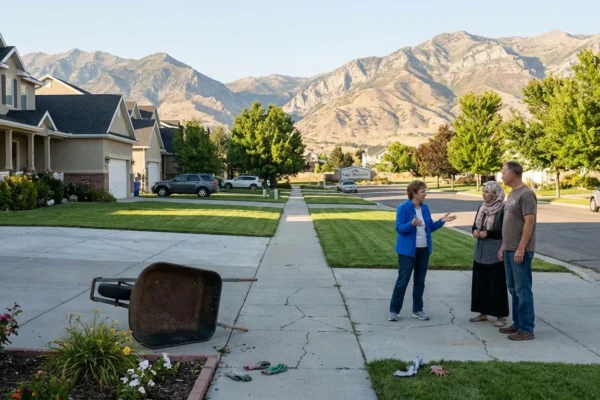
In Michigan’s Thumb, road crews are working behind the storm. District alerts this morning confirm multiple closures after bands off Lake Huron stacked up fresh snow on top of glare ice. Wind gusts are lifting powder and cutting visibility. Temperatures are riding the freezing line, which is the worst zone for black ice.
Districts that have closed include:
- Bad Axe, Caseville, Cass City
- Elkton Pigeon Bay Port Laker, Harbor Beach
- North Huron, Owendale Gagetown
- Ubly, Unionville Sebewaing, Huron Technical Center
Some early childhood programs remain open with caution. Most buses are parked. Superintendents moved quickly before 6 a.m., which helps families plan and keeps teen drivers off slick back roads. [IMAGE_1]
India’s split picture, elections and weather
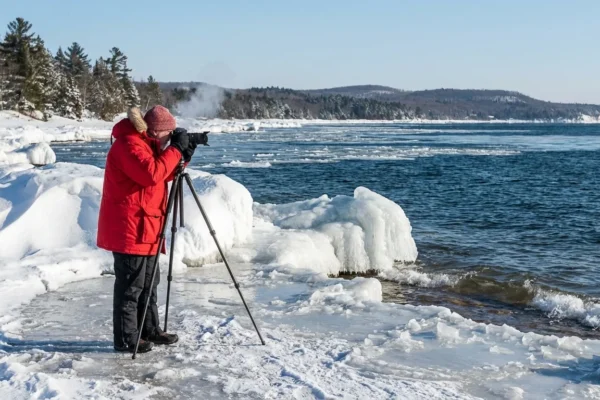
At the same hour, schools in several Indian states paused for different reasons. In Kerala, classrooms are dark for local body elections. Polling stations are using school buildings, which is normal in many districts. In the hills of Jammu and Kashmir, winter made the decision. Fresh snowfall and ice shut routes to school. Officials cited safety and access.
Along the southeast coast, a rain alert remains in focus. Tamil Nadu, Puducherry, and parts of coastal Andhra Pradesh prepared for heavy showers and urban flooding. Some coastal and delta districts called holiday or moved to online sessions. In Telangana, select blocks tied to panchayat polling paused classes. The pattern is local, but the effect is wide. [IMAGE_2]
Why the weather turned dangerous
This morning’s Great Lakes setup is a classic November to January switch, only it is sharper now. Lake Huron is holding warmth deeper into December. That keeps moisture flowing into cold air over land. Narrow snow bands build quickly, then shift. A five mile move can turn clear roads into a whiteout in minutes.
I am also tracking more ice than deep snow days. That lines up with what we see in a warming climate. Winters are milder on average, so we get frequent freeze thaw cycles. Roads melt in the afternoon, then refreeze overnight as black ice. Plows can clear snow. Ice is harder. It raises crash risk before sunrise.
Black ice forms with little warning. If you must travel, slow down and give extra space. Avoid sudden braking.
How districts decide and communicate
The call is about layers of risk. Leaders check road temps, wind, visibility, and sidewalk conditions. They ride bus routes before dawn. They also factor in how long it will take to treat secondary roads and rural hills. If a two hour delay cannot bridge the risk, they close.
Communication has improved. Districts push alerts to phones, email, and smart speaker apps. Local radio and TV still matter for backup. Families want consistency. Most offices target a window before 6 a.m., then update if conditions change again at mid morning.
Closures ripple through the community. Childcare shifts. Breakfast programs pivot to pickup. Employers see schedule changes. The earlier the notice, the smoother the day.
Resilience and sustainability in a changing winter
Snow days are not new. The pattern is. More ice and slush, fewer long deep snowpack stretches. Cities and schools are adjusting. Bus depots are adding tire socks and better yard drainage. Some are piloting electric buses with improved torque at low speed. Facilities managers are tuning boilers and heat pumps to avoid energy spikes on restart days.
Salt use is another focus. It works, but it harms rivers and lakes when overused. Crews are blending brine solutions and beet juice mixes to cut total salt while keeping traction. That protects water and budgets.
Families can lean into small steps that help both safety and climate:
- Keep kids in warm layers with dry footwear ready
- Walk if sidewalks are treated and routes are close
- Use carpools for short trips to reduce traffic and idling
- Hold a simple at home learning plan for closure mornings
Save your district’s alert page and bus hotline in your phone. Quick access beats scrolling during a 5 a.m. scramble.
The bottom line
Today’s school closures reflect two forces, fast changing winter weather in the Great Lakes and civic duties and rain threats in parts of India. Both require quick decisions to keep students safe. Warmer winters mean more ice risks, so expect more early morning calls like today. Plan your alerts, plan your routes, and stay patient. Safety first, then learning follows.