BREAKING: KARE 11 school closings on alert as winter hazards develop across Minnesota
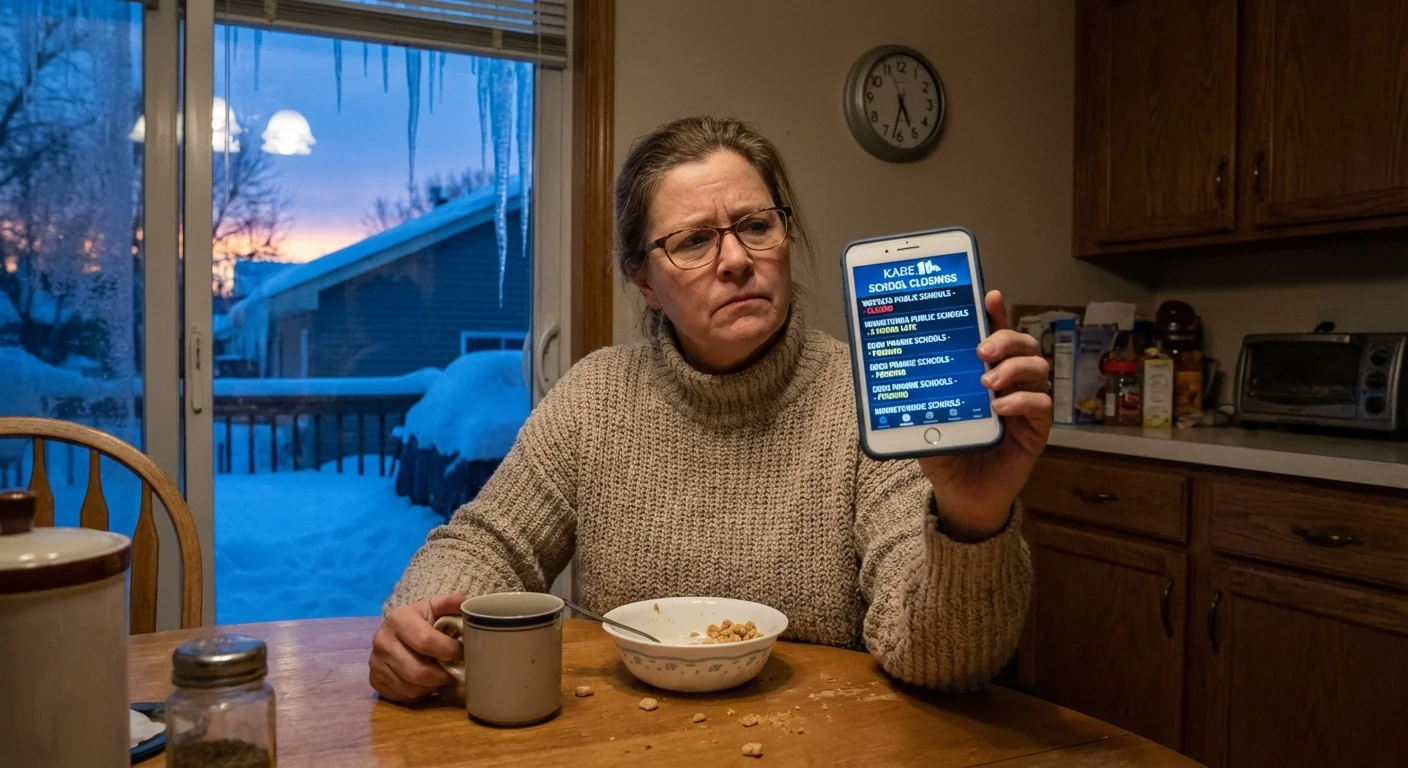
Families across the Twin Cities are watching the clock, and so are school leaders. Tonight, the KARE 11 school closings system is on high alert as districts prepare for possible delays, closures, or early releases tied to snow, ice, and dangerous wind chills. Decisions will roll in early, often between 5 and 6 a.m., and they can change fast. Stay ready. Keep your plan flexible.
What is driving today’s risk
A fresh push of cold air is moving in, and it arrives over roads that have already seen freeze and thaw cycles this week. That mix is a problem. Light to moderate snow can polish the surface, and a thin glaze of ice is enough to send buses and cars sliding. Add gusty winds, and visibility falls quickly. This is when a normal commute turns risky.
Minnesota winters are changing. The air is warming overall, yet extremes still hit hard. Warmer air holds more moisture, so storms can wring out heavier bursts of snow. We also see more freeze line shifts, which means a higher chance of ice or rain changing to snow. That is a tough setup for school travel, even if totals look modest.
Frostbite risk rises fast when wind chills drop. Exposed skin can be at risk in 30 minutes or less in severe cold. Dress in layers, cover ears and hands, and limit time at the bus stop.
How school closing calls are made
Superintendents rely on road reports, buses on test routes, police and county plow updates, and on the latest forecast guidance. Timing matters. A storm that peaks during pickup or drop off is more dangerous than one that hits at midday. Wind and ice often outweigh snowfall totals. Many districts coordinate with neighbors to reduce confusion for families who cross boundaries.
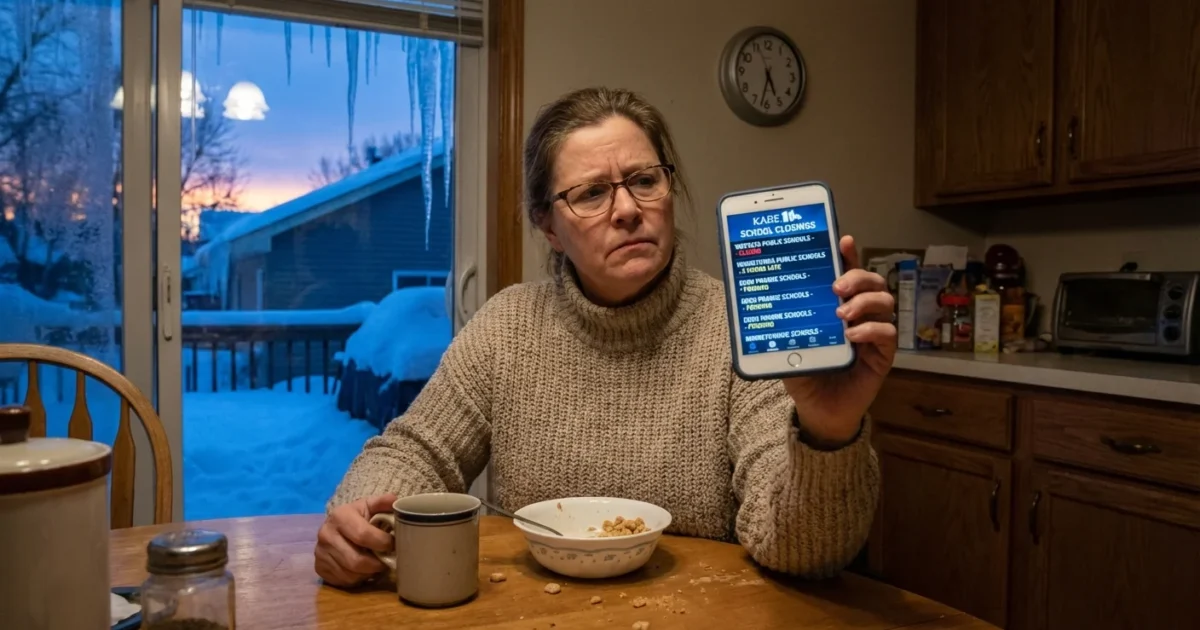
KARE 11 remains a key hub for public alerts. When districts make the call, they push updates to their websites, text systems, and to the KARE 11 closing list. That is the fastest way to see many districts in one place, especially in the early morning rush.
Set district text alerts to “on,” bookmark your district homepage, and check the KARE 11 closings page before you leave the house.
Verify fast in the early morning
You want clear answers before boots hit the snow. Use a short checklist.
- Check your district website banner and official text or email.
- Confirm on the KARE 11 closings list for district wide status.
- Look at city or county alerts for road conditions.
- Recheck 30 minutes later for any late updates.
The climate signal behind winter chaos
Minnesota winters are trending warmer on average, but that does not mean fewer hazards. We are seeing more mixed precipitation events. That leads to flash ice, black ice, and re freeze after mild afternoons. The jet stream can still dip south, driving quick blasts of Arctic air. These swings make planning harder for schools, because risk can rise within a narrow two hour window.
Lake effect and lake enhanced bands can bloom fast when colder air passes over warmer lakes. That can create sharp differences between nearby districts. One town sees flurries. The next town faces whiteout bursts. This is why some schools close while others stay open.
Road salt protects safety, yet excess chloride harms lakes and rivers. Brine and targeted salting can reduce salt use while keeping traction. Schools and cities are expanding these practices to protect water quality.
Smart prep for families
Plan for either outcome. Pack extra layers and a backup lunch. If school stays open, kids are ready for colder recess. If school closes, you are set for a quick pivot. Keep devices charged in case of remote learning. Remember that side streets and bus stops ice up first, even when main roads look fine.
Short term closures are also a chance to build resilience. Talk through a family plan, check in on neighbors, and clear sidewalks in a way that limits salt use. Use a shovel early, then add a light brine mix. Little actions protect both safety and streams.
In short, keep your morning flexible. The KARE 11 school closings list will populate as district calls come in, and conditions can shift right before dawn. Minnesota knows winter. With clear info, smart timing, and a ready plan, families can navigate the cold, keep kids safe, and protect the places we love.