A sharp jolt woke Utah County within the past hour. I can confirm a small earthquake centered near Saratoga Springs, preliminary magnitude between 3.4 and 3.5, rippled across the west side of the valley. It was brief. It was light. But it was widely felt, especially in Eagle Mountain and Lehi. No significant damage has been reported at this time.
What shook, where, and how it felt
The epicenter sits near Saratoga Springs on the Utah Lake side of the valley. Shaking was short and snappy, the kind of thump that rattles a shelf and then fades. Many residents describe a single bump or a quick roll. That lines up with light to moderate intensity, roughly in the MMI III to IV range. In plain terms, you feel it, but things do not usually break.
Magnitude 3 to 4 earthquakes are common along active faults. These events are often felt across several miles, especially in basins filled with soft soils. Along the Wasatch Front, lakebed sediments can act like a speaker, turning small quakes into a wider sensation.
Why Utah gets these quakes
Utah sits along the Wasatch Fault system, a major series of faults that runs from Nephi to north of Ogden. The crust here is stretching. Over long time scales, that stretch builds stress in the rocks. Every so often, that stress releases as an earthquake. Most are small, like today’s jolt. A few, rarely, are large enough to cause serious damage.
Basin amplification and soils
Communities along the valley floor rest on deep sediments from ancient Lake Bonneville. These soft layers can amplify shaking. Even a modest quake can feel stronger in parts of the valley than in nearby foothills. The geology sets the stage. The exact feel depends on how close you are to the epicenter, what is under your home, and how your building is built.
Climate and weather shape the impacts
Climate does not cause earthquakes. Plate motions and faults do. Still, weather and climate set the conditions that turn shaking into damage. Wet soils are more likely to lose strength during shaking, a process called liquefaction. Stormy weeks or rapid snowmelt can raise groundwater and boost that risk. Hotter summers and shifting snowpack timing, both linked to a warming climate, change when soils are saturated. That shifts the window when shaking can do the most harm.
Winter cold adds a second layer. A quake on a frigid morning can knock out power or heat, even if buildings stay sound. Summer heat can stress backup systems in the same way. Resilience is not only about magnitude. It is about how ready communities are when hazards stack.
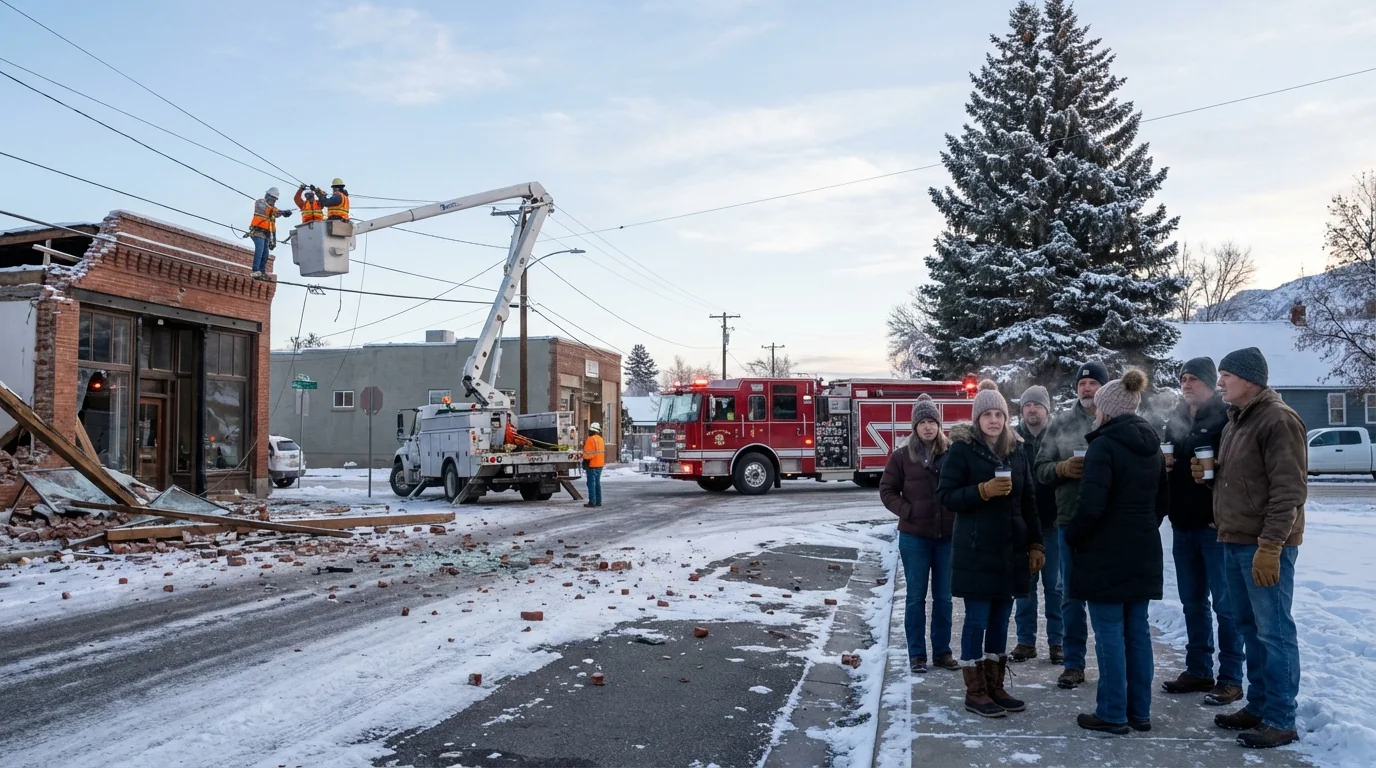
Aftershocks are possible. Most are smaller than the main shock. Some can be strong enough to feel.
What a magnitude 3 to 4 means for you
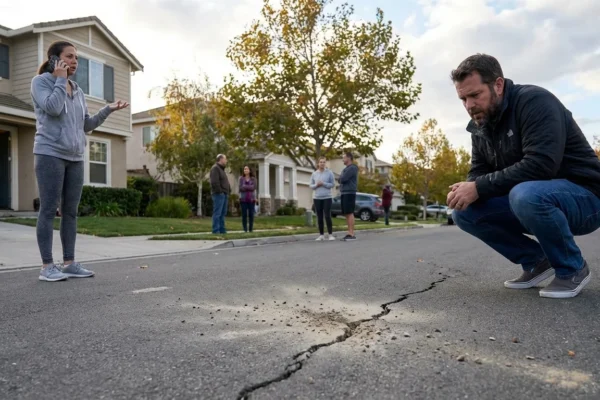
A magnitude in the mid 3s is a reminder, not a disaster. Items on high shelves may rattle. Hanging fixtures can sway. Cracks in old plaster can appear, usually minor. Today’s reports match that pattern. This is the moment to check your space and your plan, not to panic.
- Look for fallen items, especially heavy objects overhead.
- Check gas lines by smell, not with a flame. If you smell gas, go outside and call your utility.
- Reset tripped breakers only once. If they trip again, call an electrician.
- Note any new wall or foundation cracks and photograph them.
Practice Drop, Cover, and Hold On now. Under a sturdy table is best. If you are in bed, stay there and cover your head and neck.
Building a stronger Wasatch Front
Preparedness is climate resilience. Quakes can strike during a snowstorm, a heat wave, or a flood. Retrofitting older unreinforced masonry buildings reduces risk across all seasons. Securing water heaters and gas appliances cuts fire risk. Flexible utility joints help when soils shift or swell after wet winters. Clear defensible space around structures to limit post quake fire spread.
I also encourage residents to submit a quick report to the USGS “Did You Feel It?” page. Your notes help scientists map intensity across neighborhoods. Those maps guide building codes and upgrade priorities. They also reveal where soft soils are focusing energy.
Keep the kit, check the plan
Water, a flashlight, sturdy shoes, and a whistle are simple but vital. Store at least three days of supplies. Review your family meeting point. Know two ways out of your neighborhood. Local drills and school plans matter. Join them, ask questions, help fill the gaps.
The bottom line
A modest earthquake tapped the Wasatch Front today. It was a clear reminder that Utah is earthquake country. The ground will settle, but the lesson should stay. Climate and weather can magnify what faults begin. Small shakes are warnings we can use. Check your space, update your kit, and help your neighbors do the same. The next few hours may bring small aftershocks. The next few weeks should bring smarter choices, one bolt, one strap, and one plan at a time. 🌎