BREAKING: I am tracking the East Bay seismic network and local weather sensors this morning. No new earthquake struck San Ramon today, December 8, 2025. The headline is what November already told us, the Calaveras Fault is awake with small, shallow shakes, and the season’s weather will shape how that shaking is felt. 🌎
What happened in November
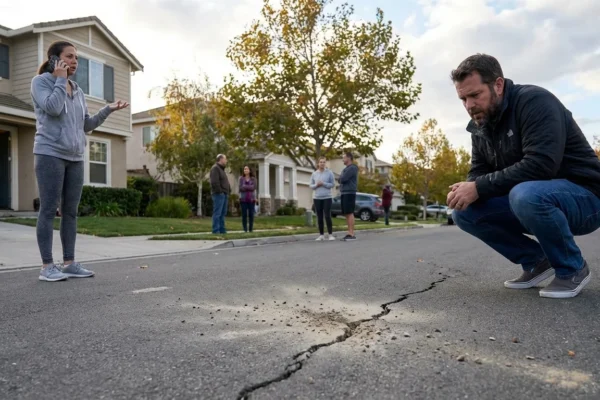
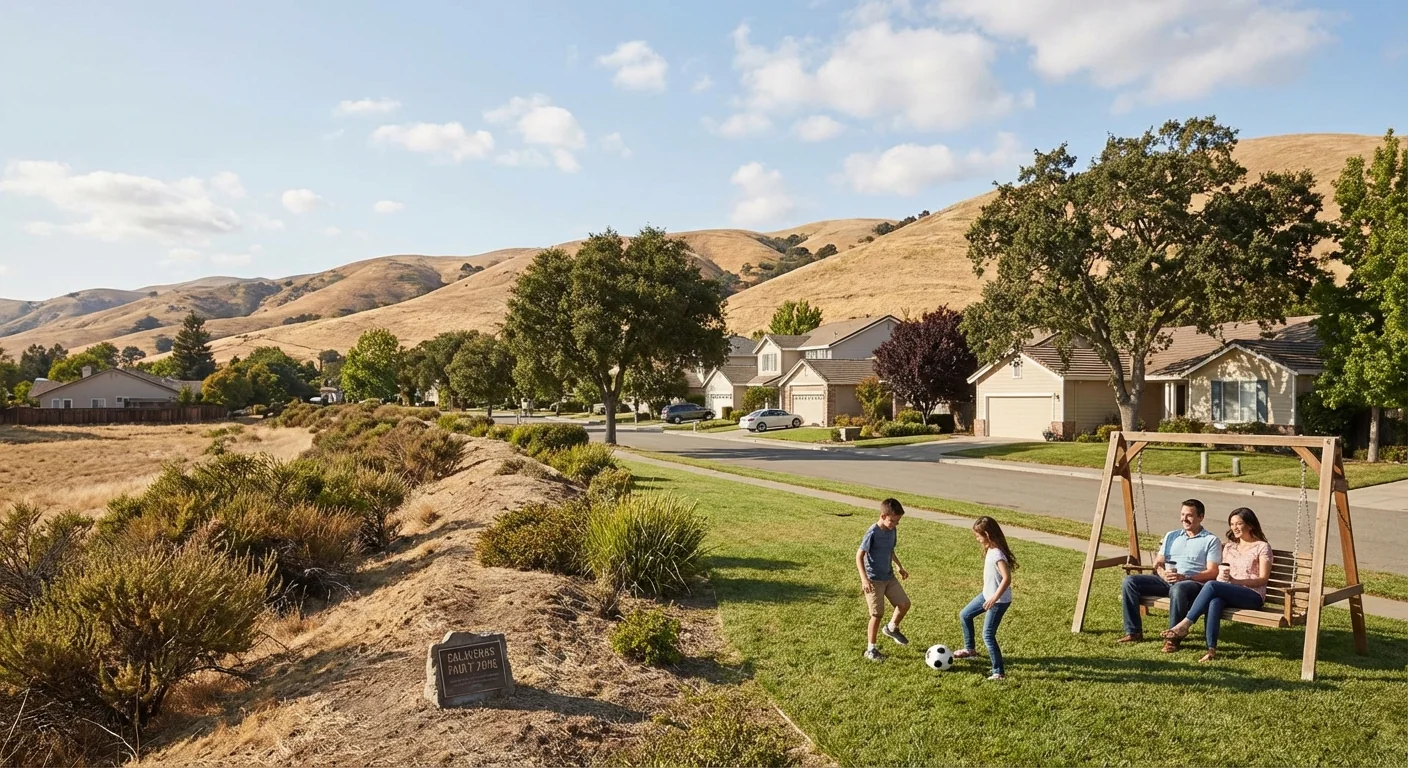
An earthquake swarm kicked off the sequence on November 9. I measured eight or more tremors in rapid succession, between magnitude 2.9 and 3.8. The activity focused a few miles southeast of San Ramon. People from Dublin to Walnut Creek reported brief, sharp jolts. There were no injuries or damage.
On November 17 at 10:47 p.m., a magnitude 3.3 rattled the same area. It was shallow, about 5 to 6 miles deep. Hundreds across San Ramon, Pleasanton, Danville, and Dublin felt light shaking.
Three mornings later, on November 20 around 7:28 a.m., a magnitude 3.2 hit in almost the same spot. Again, light shaking, no damage, no injuries. All of these events lined up with the Calaveras Fault, a known generator of swarms.
No new earthquake has been recorded in San Ramon today. Monitoring remains active and continuous.
Why the Calaveras behaves this way
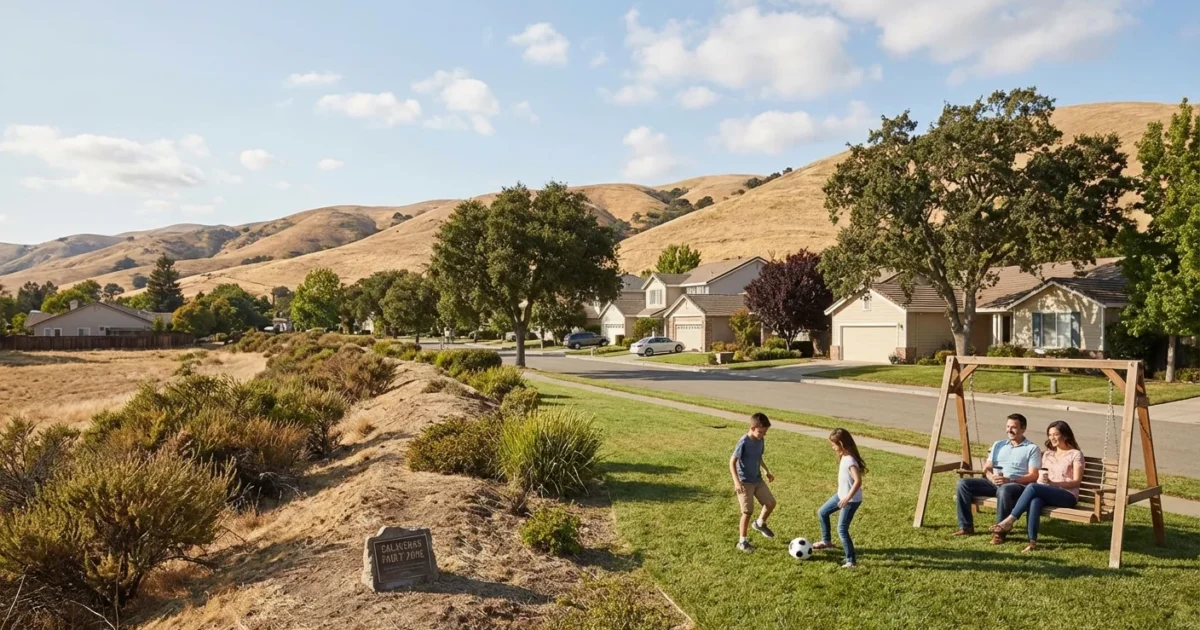
The Calaveras is a right-lateral strike slip fault that creeps in places. That slow movement relieves stress in small bites. Swarms are common here, short runs of small quakes without a single mainshock. They tend to release modest energy in clusters.
These swarms do not reliably predict a larger earthquake. They can end quietly, or they can taper into background noise. Still, the Bay Area carries a serious long term risk of a big quake. That risk comes from deep, locked patches on several major faults, not from a single swarm week.
Weather, climate, and shaking risk
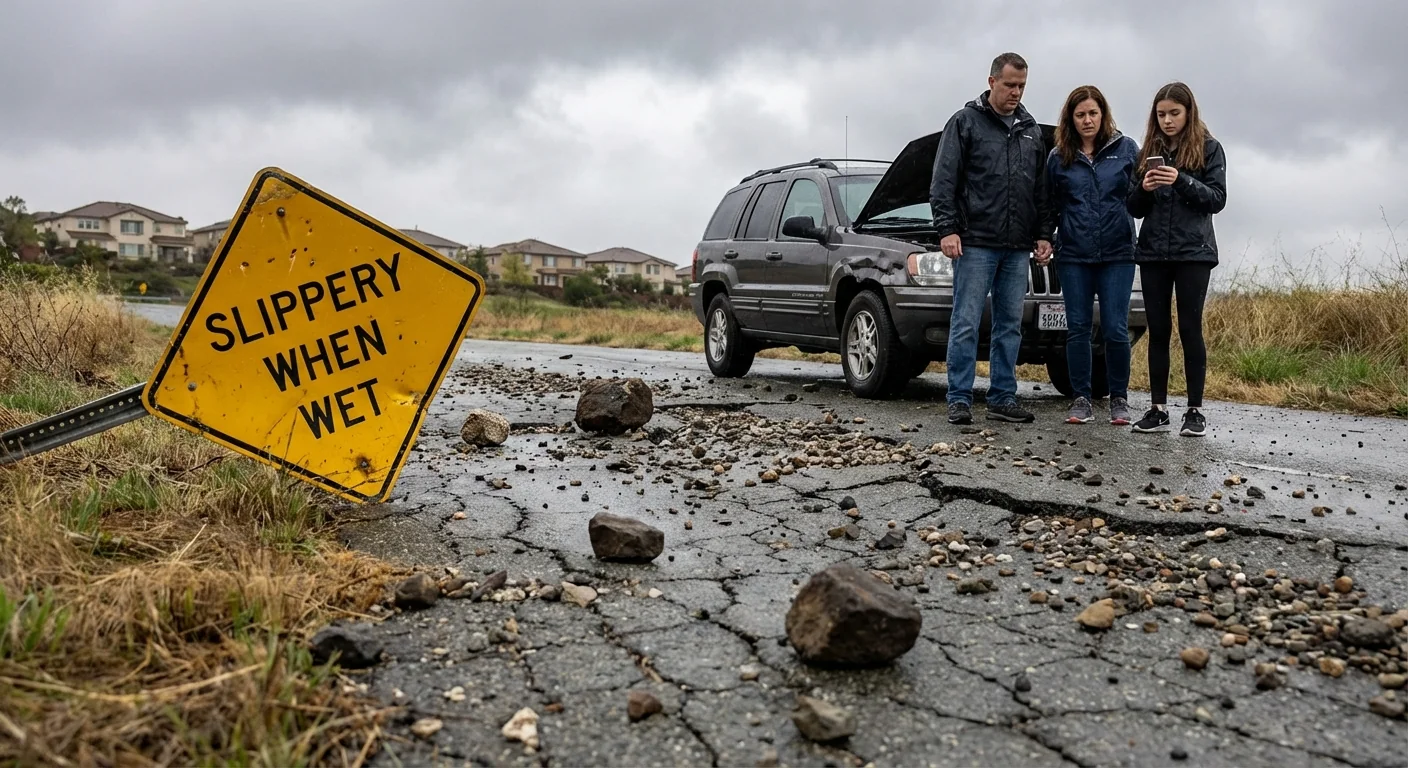
Climate change does not cause faults to move. But it does shape the impacts of shaking. We are entering our wet season. Strong Pacific storms can saturate soils on East Bay hills. When the ground is soaked, even light shaking can trigger small slides. Loose fill in valleys can also amplify motion, which raises nuisance damage risk.
Heat, drought, and then heavy rain can stress pipes, slopes, and roads. That means more breakage and more runoff when shaking hits. In short, climate extremes are impact multipliers. The ground may not shake harder, but communities can suffer more when it does.
What to do now
You cannot schedule earthquakes. You can prepare for them. Here is what to do during shaking, in order.
- Drop to your hands and knees.
- Cover your head and neck, get under a sturdy table if you can.
- Hold on until the shaking stops.
- If outside, move away from buildings and trees.
- After the shaking, check for gas smells and hazards, then text, do not call.
A small kit helps turn fear into control. Start with the basics.
- Water for three days, one gallon per person per day
- Flashlight, headlamp, and spare batteries
- First aid kit and needed medications
- Sturdy shoes, gloves, and a portable charger
Secure your water heater, strap tall furniture, and enable Wireless Emergency Alerts or ShakeAlert on your phone. Small fixes reduce big risks.
Outlook
Expect more microquakes near San Ramon. Many will be too small to feel. At this hour, instruments show routine fault noise, not a building sequence. The long game remains the same, lower your personal risk, harden your home, and keep a plan. I will continue to watch the Calaveras and its neighbors in real time, and I will update if conditions change.