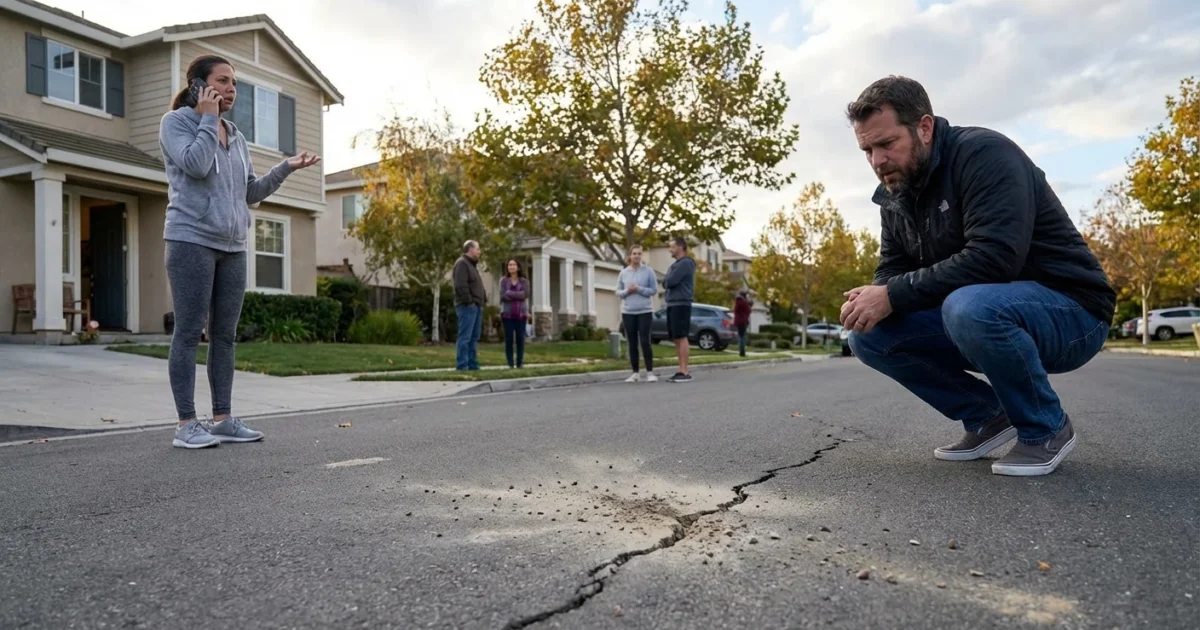
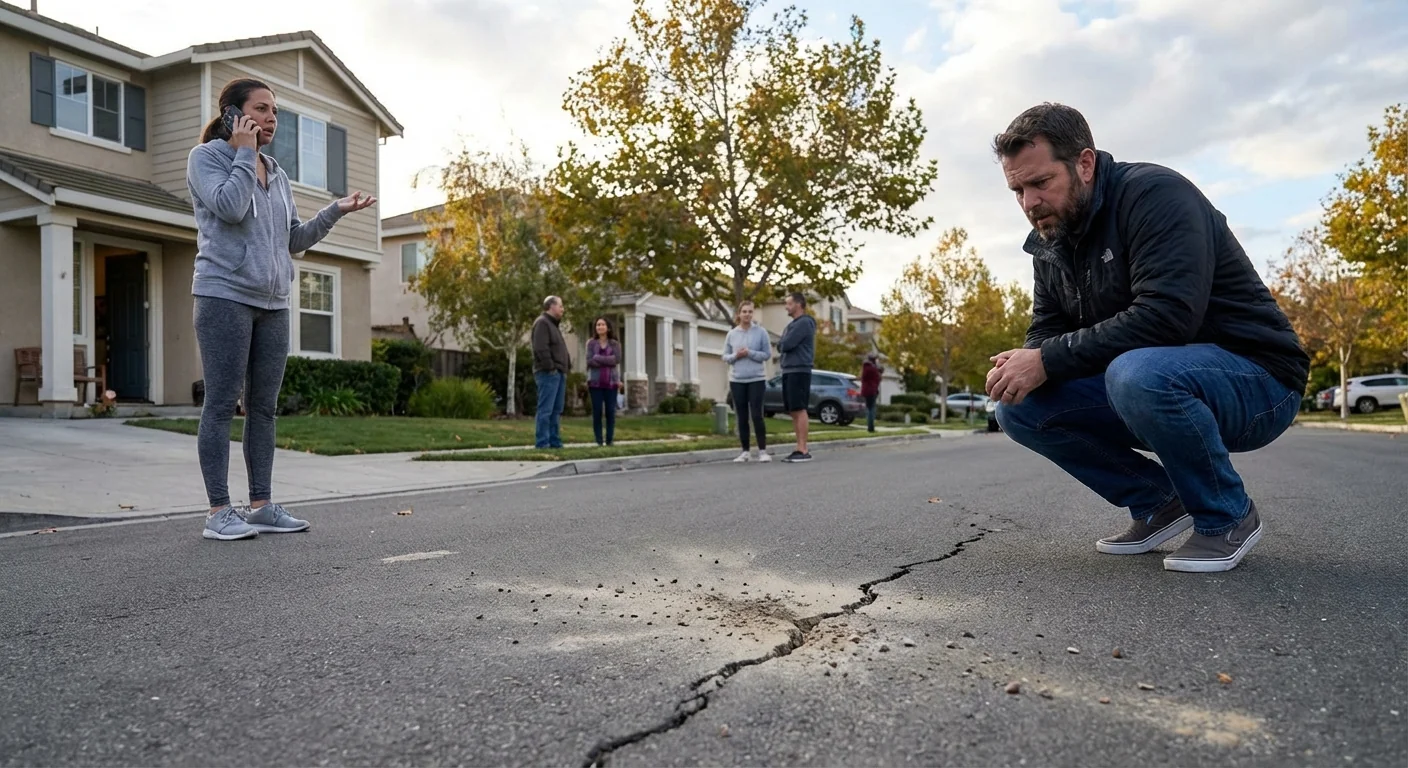
A fast series of small earthquakes rattled the East Bay today, punctuated by a magnitude 4.2 near San Ramon. I felt the jolt and watched sensors spike across the region. Shaking was widely felt from the Tri-Valley into San Francisco. Early checks point to minimal damage and no serious injuries. Aftershocks are likely through the day, and the swarm is still active.
What shook, and why it matters
This is a classic East Bay swarm. Many small quakes are clustering on a tight patch of fault. The 4.2 was the strongest so far. It was strong enough to rattle shelves and set off car alarms. It was not strong enough to damage well built structures.
Swarm behavior in this corridor is not rare. San Ramon sits near the Calaveras Fault and other active strands. The system bends and slips in short bursts. The United States Geological Survey describes swarms as fault patches relieving stress in steps. That usually means many felt events, not one big one.
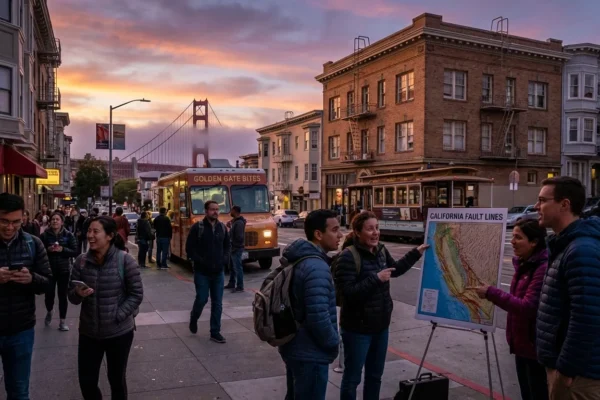
This is Super Bowl week, and the Bay Area is busy. Visitors and locals felt the same sharp reminder. Preparedness is the headline. The ground is talking. We should listen.
What an earthquake swarm tells us
Swarms are part of how the crust works here. Instead of a single mainshock and tidy aftershocks, you get a cluster. Sizes vary, locations hop a bit, and timing is hard to predict. A 4.2 sits in the moderate range. It releases energy, but it does not reset the region.
Could a larger quake follow any quake? Yes. Is that the most likely path today? No. The most likely outcome is more small events, then a fade. That is how past East Bay swarms have behaved. I am watching for changes in depth and frequency that would signal a shift.
Expect aftershocks. They can feel as strong as the first jolt if you are close. Stay clear of brick facades and unstable slopes.
Weather, climate, and the shaking we feel
Earthquakes are not caused by weather. They are tectonic, driven by the slow grind of plates. Still, our weather shapes the impacts we see. Winter has moistened hillsides and creek banks. Shaking can loosen saturated soils, especially on steep ground. That raises the chance of small slides on road cuts and trail slopes.
Bay shoreline zones built on artificial fill face a different risk. If soils are water logged, they can lose strength when they shake. That process is called liquefaction. Even mild shaking can settle that kind of ground. It is why we design carefully near the Bay margin.
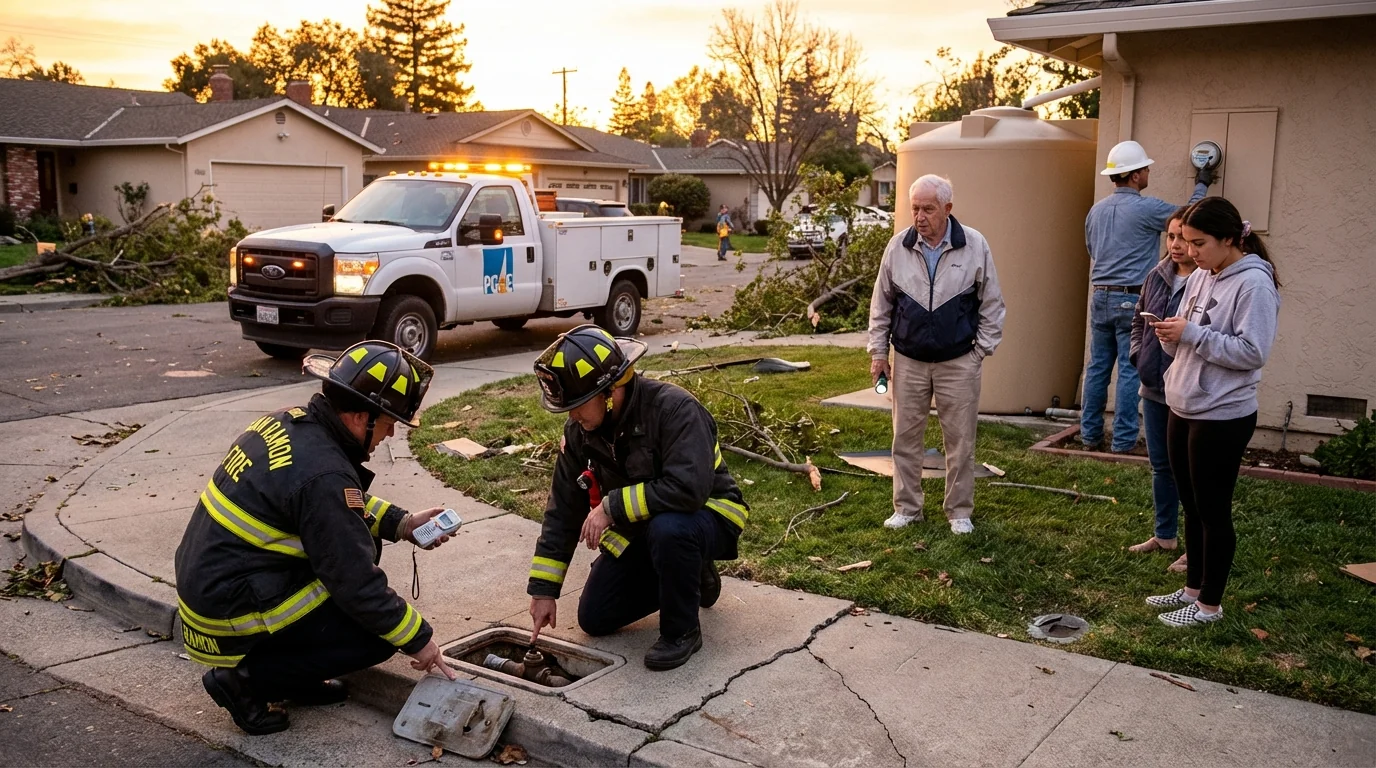
Wildfire risk is lower in winter, but not zero. Gas leaks after quakes can ignite. Secure shutoff valves and smart meters reduce that danger. Power crews are on alert, and I am not seeing widespread outages. Water agencies often check tanks and mains after swarms. That routine is underway.
What to do right now
Do the basics well. They save lives and calm nerves.
- Drop, Cover, and Hold On during shaking
- Enable ShakeAlert on your phone
- Check your go bag, water, and meds
- Secure heavy furniture and strap your water heater
If you are visiting for the game, pick a safe spot under a sturdy table in your hotel room. Know two exit routes. Keep shoes by the bed. Avoid standing near windows during an aftershock.
Turn on emergency alerts, store one gallon of water per person per day, and keep a flashlight by your bed. Simple steps make a big difference.
Building a resilient Bay Area
Seismic safety and climate resilience go together. Retrofit soft story buildings to prevent collapse. Replace aging gas lines and add automatic shutoff valves. Shift to induction cooking to cut fire risk after quakes and reduce emissions year round. Pair rooftop solar with batteries for backup power that does not rely on diesel.
Community hubs matter. Schools, libraries, and rec centers can host microgrids. They can keep lights, fridges, and phone charging available after a shock or a storm. Local governments should pair sidewalk shade projects with water main upgrades. Planting trees cools neighborhoods on hot days and cushions slopes.
This swarm is a useful stress test. It checks alert systems, building bracing, and public readiness without the toll of a major quake. Use it to fix the small gaps now.
The bottom line
Today’s San Ramon swarm is normal for our fault network. It is a wake up call, not a panic button. The 4.2 was widely felt, and more small quakes may follow. Keep alerts on, practice Drop, Cover, and Hold On, and secure your space. We can enjoy Super Bowl week and stay ready at the same time. Preparedness is the Bay Area way, in any season.