BREAKING: Rumble’s cloud ambitions collide with the climate crisis. The video platform best known for free speech fights now sits at the center of a much bigger test, power, water, and weather risk. With fresh cash, new partners, and a 1.17 billion dollar bid for Northern Data Group, Rumble is trying to become a heavyweight in media and infrastructure. That move reshapes its climate footprint and its role in public safety.

Why this matters for climate and weather right now
Rumble’s latest quarter shows momentum and intent. Revenue came in at 24.8 million dollars. Monthly active users were about 47 million. Average revenue per user reached 45 cents, up 7 percent from the prior quarter. Net loss narrowed to 16.3 million dollars. Liquidity stands near 293.8 million dollars, including some Bitcoin. The company is pushing beyond politics and into cloud, AI, and distribution.
Here is the climate hook. Data centers and AI workloads draw large amounts of electricity and water, especially during heat waves. They also depend on stable grids during storms and floods. If Rumble absorbs Northern Data’s compute assets, it becomes a direct player in that stress. The company’s tie‑ups with Cumulus Media and Perplexity AI point to heavier compute and broader reach. That is scale, and scale raises responsibility.
Big tech growth now lives or dies on energy access, water resilience, and climate planning.
The infrastructure test
Northern Data’s assets would shift Rumble from a platform to an operator. That means siting, cooling, and grid strategy. It also means compliance with tough new efficiency rules in Europe and rising scrutiny in the United States. The bid excludes crypto mining, which helps on emissions risk, but AI loads can be just as power hungry.
When heat domes hit, cooling demand spikes. When rivers run low, water cooled sites strain to keep servers safe. Storms threaten substations and fiber routes. Wildfire smoke can foul air handling systems. These are not distant risks. They are the new normal in many regions.
- Heat risk raises power demand and water use at the same time
- Flooding can knock out power and degrade backup fuel quality
- Drought limits water for evaporative cooling
- Grid congestion drives up costs and curtails clean power
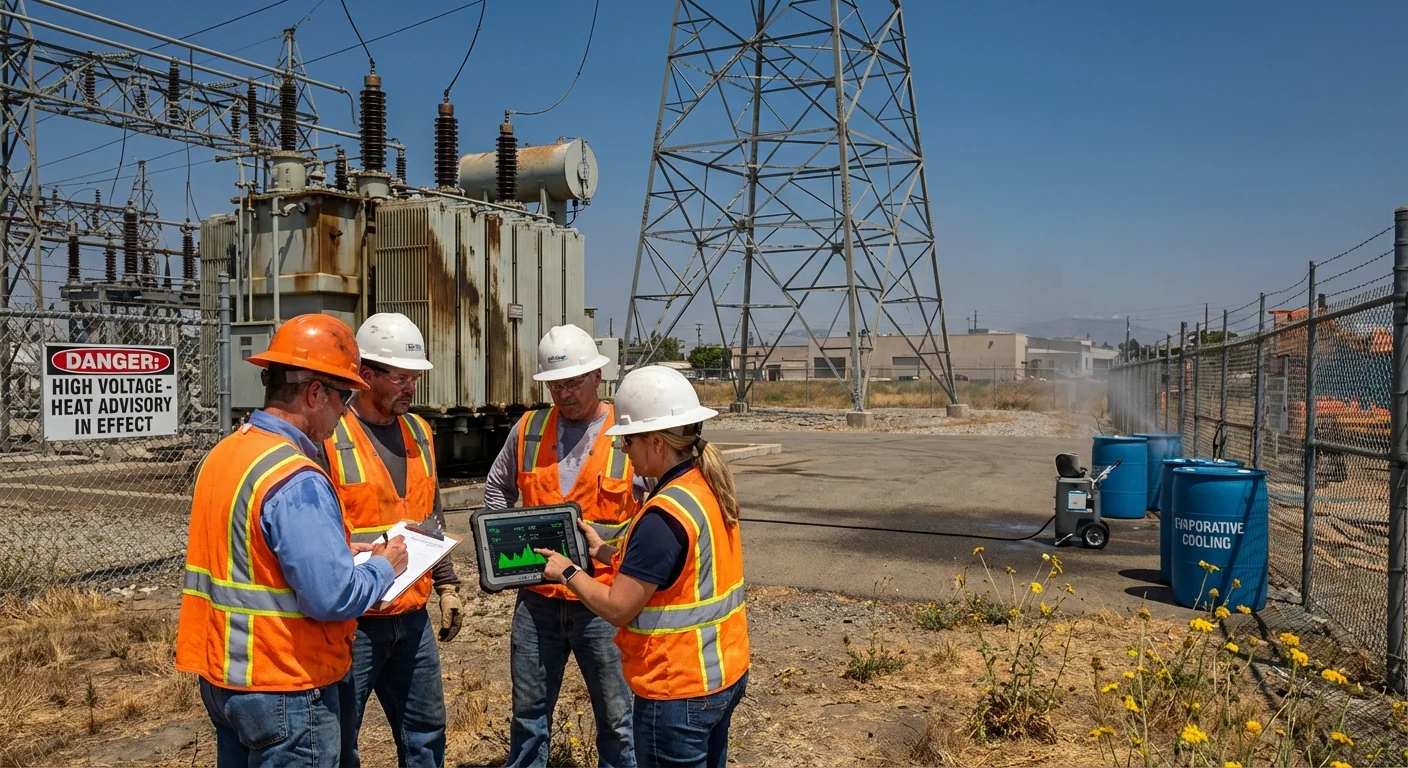
High heat plus high compute is a dangerous pairing. Without planning, outages and emissions both jump.
Can Rumble make this a climate win
Yes, but only with clear moves. The company has the cash and partners to try. A 775 million dollar investment from Tether in late 2024 gave it runway. The Northern Data offer would add scale. With that scale, Rumble can commit to credible climate action.
Three steps would change the story fast:
- Lock in long term clean power. Prioritize 24 by 7 carbon free energy, not just offsets.
- Shift water stressed sites to advanced air cooling and heat reuse where feasible.
- Build for resilience. Elevate equipment, add storage, and join demand response to support the grid during peak heat.
Cumulus and Perplexity also matter here. Together, they can move climate content faster. Live weather alerts, evacuation info, and fire updates can reach millions on screens and speakers. That is a public good if done right, clear, verified, and fast.
Use the new media muscle to carry local weather warnings, not just entertainment. Minutes save lives.
The risk ledger
Rumble’s legal fights over foreign takedown orders highlight a cross border reality. Disaster communications do not stop at national lines. If governments and platforms clash during emergencies, people lose precious time. Any expansion into government cloud, like its deal earlier this year with El Salvador, must protect trusted channels for warnings.
Financially, the numbers show stabilization. But investor and regulatory risk is real. Energy costs can swing widely during extreme weather. Several regions are weighing limits on new data centers. Water rules are tightening. And scrutiny of crypto adjacent capital is not going away, even if mining stays outside this deal. The only safe path is aggressive transparency, clean energy contracts, and site level climate plans the public can see.
Conclusion
Rumble wanted scale. It now has a climate scale problem to match. The numbers show a company on the move. The partnerships open new doors. The Northern Data bid puts its footprint on the ground, where heat, water, and storms decide winners. If Rumble chooses clean power, resilient design, and public service, it can grow and cut risk. If it does not, the next heat wave will write the headline for them.