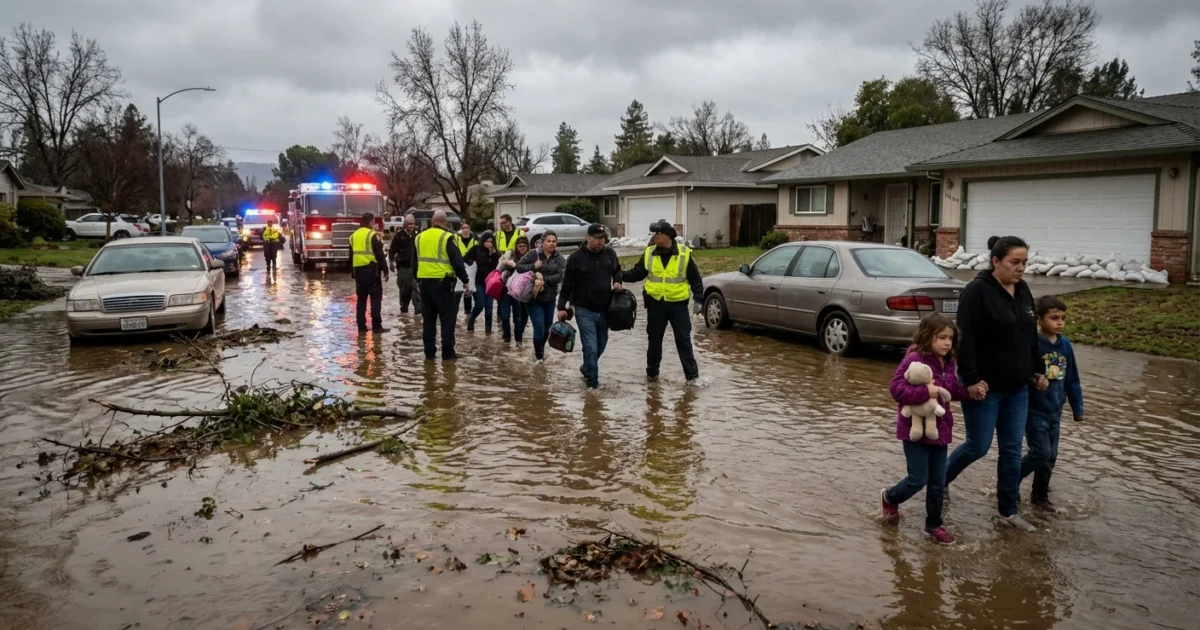
Redding is under water tonight. Streets turned into fast moving streams after hours of pounding rain. Evacuations are underway. Water rescues are still active. I have confirmed with local emergency officials that at least one person has died.
What happened in Redding today
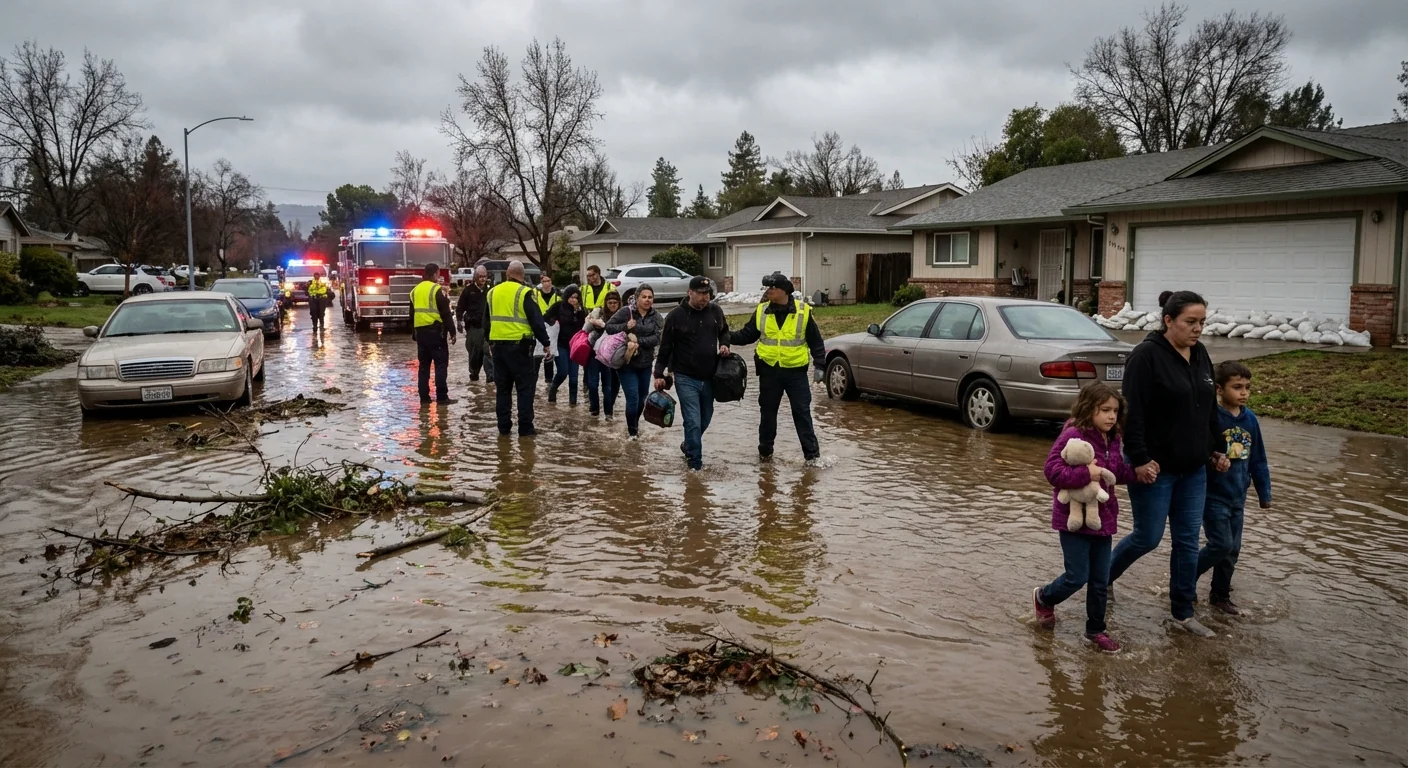
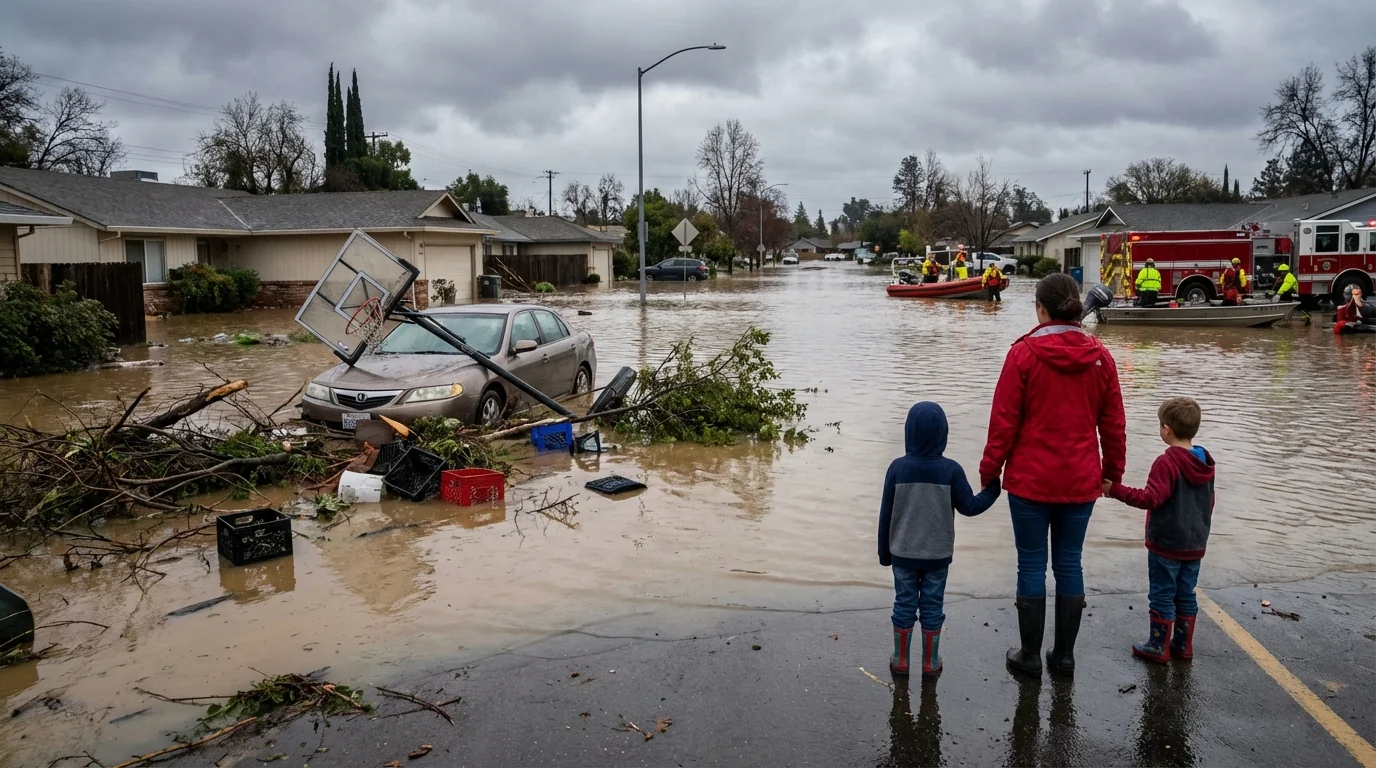
A slow moving storm parked over Northern California and unloaded. Several inches of rain fell in a short window. Creeks jumped their banks. Low streets filled like bathtubs. Cars stalled and were swept aside. Crews pulled families from flooded homes by raft and high clearance trucks. Some neighborhoods near creeks and the Sacramento River saw the fastest rises.
Shelters are open and receiving evacuees. Road closures keep shifting as water spreads and drains. Many side streets remain blocked by high water, downed branches, and debris. If you are ordered to leave, go now. Do not wait for daylight.
Turn around, do not drive through water. Six inches can knock you off your feet. One foot can float a car.
The human toll and the urgent response
Firefighters, sheriff’s deputies, and swift water teams have been working nonstop. I watched them stage at flooded intersections and fan out with ropes and life vests. Dispatchers are prioritizing life safety calls. Utilities crews are securing downed lines and checking substations.
The county’s emergency operations center confirms widespread displacement. Some residents left with only a bag and a pet. Others sheltered on second floors as water rose. Power flickers have added stress to an already tense night. Hospitals and clinics report increased slips, cuts, and hypothermia cases.
If you need help, call 911 for immediate danger. For non life threatening needs, use county emergency lines. Stay on established evacuation routes. Do not cut through fields or canals.
- Move to higher ground and away from creeks and storm drains
- Keep your phone charged and a flashlight ready
- Bring medications, IDs, and warm layers if you evacuate
- Check on neighbors who may need help
- Keep pets leashed and with you
Shelter details and road closures change hour by hour. Monitor National Weather Service alerts, Shasta County emergency updates, and local radio for instructions.
Why this storm hit so hard
This was an efficient rain maker. A moisture rich plume from the Pacific tapped warm air and focused it over the northern Sacramento Valley. The snow line stayed high, so more mid elevation slopes saw rain instead of snow. That rain ran off fast. It rushed into creeks and then into town.
Soils were already soaked by earlier storms. That left little room to absorb more water. Burn scars from recent wildfire seasons also played a role. Fire hardened soils shed water quickly. Debris washed into culverts and clogged drains, which forced water onto streets.
Across the state, concern is elevated. A rare high risk flood outlook was posted for parts of California outside our region. That pulled resources forward and sharpened warnings. Here in Redding, the result was a sudden, dangerous flood pulse that stressed every part of our system.
Infrastructure under stress, risks that remain
Storm drains and culverts are packed with leaves, branches, and ash rich sediment. Crews are clearing what they can, but access is tough. Some roadbeds may be undermined where water cut along the edges. Slopes above subdivisions could slide if rain bands persist. The Sacramento River and its tributaries will keep rising for hours after the rain eases.
The next 24 hours are critical. Secondary showers can trigger new flash issues on already flooded ground. Rivers and creeks may crest overnight. Stay prepared for more alerts. If your street floods quickly, assume it will do so again before dawn.
If you left home, do not return until officials say it is safe. Many injuries happen after the water drops, when roads are unstable and power lines are hidden.
Preparing for the next storm, building for the future
This is a preview of a wetter climate. Warmer storms hold more moisture. They drop heavier bursts of rain. They push the snow line up and speed runoff. Northern California will see more days like this, not fewer.
Redding can reduce future damage with common sense steps. Expand and reconnect floodplains so rivers can spread out safely. Restore wetlands and riparian strips to slow and filter runoff. Keep culverts and storm drains clear with routine, year round maintenance. Build greener streets with permeable pavement and bioswales that drink the first inch of rain. Harden shelters with backup power and supplies for longer stays. Update flood maps and building codes so new homes avoid the highest risk zones.
Homeowners can help too. Elevate utilities above known flood levels. Install backflow valves on drains. Grade yards to move water away from foundations. Store a go bag by the door. Talk with neighbors about who needs help and who has a truck or generator.
The bottom line
Tonight is about safety. The flood is real, and the danger remains even after the rain lightens. I will continue to track evacuations, rescues, and river levels through the night. Keep your family ready to move. Keep your car away from water. Redding will clean up, and we will learn. The climate is testing our limits. Our response, and our planning, must rise to meet it.