Oakland rattled by Monday quake swarm, no damage reported yet
What shook the East Bay today
Oakland felt a clean jolt this afternoon. At 2:57 p.m., a magnitude 2.9 earthquake struck just east of Piedmont. It rippled through Oakland, Piedmont, and parts of Berkeley. People reported a quick thump, then a short roll. No major damage has been reported.
That was not the first shake today. At 9:07 a.m., a stronger magnitude 3.6 hit near the Tri-Valley and San Ramon area. It was felt across the East Bay. Smaller quakes followed through the day.
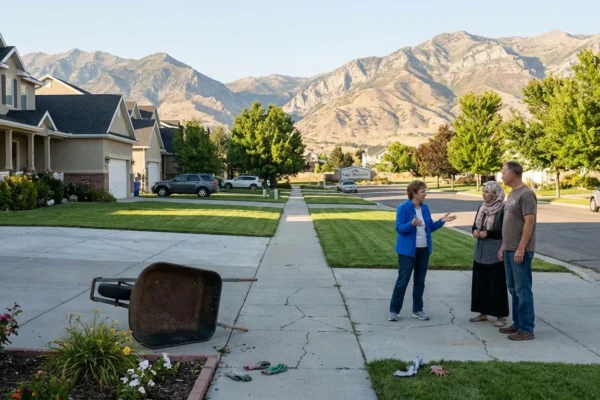
Seismologists describe this as a swarm. Many small quakes, clustered in time and space. No clear mainshock. No classic aftershock ladder. [IMAGE_1]
What a swarm means for risk
Earthquake swarms are common in the East Bay. They can last hours, days, sometimes weeks. Most end quietly. They do not usually build to a bigger event. Today’s pattern fits that frame.
Short-term risk does rise when faults wake up. More small slips mean more chances for another pop. That is normal physics on a stressed fault. It does not mean a big one is certain or even likely. It means we should pay attention, take simple steps, and carry on with care.
During shaking, drop, cover, and hold on. Do not run outside. Protect your head and neck.
The faults under our feet
The morning action near San Ramon aligns with the Calaveras Fault. The afternoon Oakland jolt sits close to the Hayward Fault. Both are part of the larger San Andreas system. Both can host moderate to large earthquakes over long timescales.
These faults have a long record of swarms going back decades. The San Ramon-Alamo corridor, in particular, lights up every few years. Oakland’s side of the Hayward Fault is also active, with many small quakes that release, test, and sometimes reload stress.
Climate, weather, and today’s shaking
Climate change does not cause earthquakes. The forces that drive faults are deep and slow. But climate and weather can shape the impacts when the ground moves.
Recent rains can saturate soils. Wet ground is heavier and weaker. Shaking in saturated zones can be felt more strongly. Slopes that are near failure can slide after even a mild jolt. Low-lying fill and bay mud are prone to softening. Liquefaction risk rises when the water table is high.
Longer term, sea level rise can push groundwater higher along the Bay edge. That expands zones at risk of liquefaction. The result is clear. The same size quake can do more harm if the ground is wet, weak, or unconsolidated.
This is why resilience is a climate action, not just a safety plan. Stronger buildings, smarter land use, cleaner back-up power, and greener materials reduce risk and emissions together.
What to do now
Treat today as a drill you did not have to plan. Secure what can fall. Refresh your kit. Confirm your plan with family and neighbors.
- Strap water heaters, bookcases, and TVs. Move heavy items to low shelves.
- Stock water, nonperishable food, flashlights, and a battery radio for 3 to 7 days.
- Keep sturdy shoes by the bed. Know how to shut off gas if you smell a leak.
- Practice drop, cover, and hold on. Make a family meet-up plan.
- If you rent or own a soft-story home, ask about retrofit programs.
Resilience can be sustainable. Seismic retrofits that add insulation, efficient windows, and shear walls cut quake risk and energy bills. Solar plus battery can keep fridges, medical devices, and communications running when the grid is down.
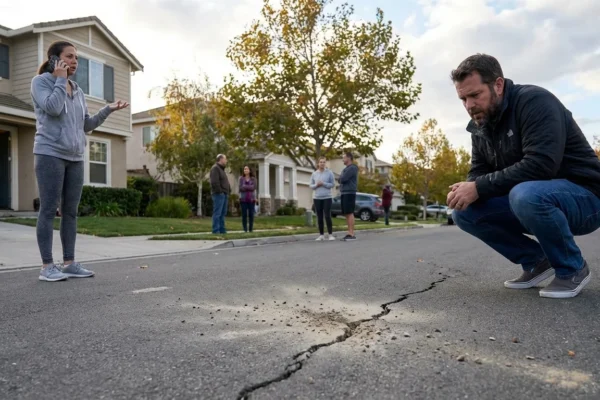
City crews are scanning for damage. Bay Area seismic networks are watching the swarm closely. Expect more small quakes as the sequence tapers. Most will be too small to feel. A few may be noticeable. Stay ready, not alarmed. [IMAGE_2]
The bottom line
Oakland felt the ground speak today. A swarm is unfolding, mostly small, mostly harmless, but worth our focus. Use this moment. Tighten your safety net. Strengthen your home. Align resilience with climate wise choices. The earth will keep moving. We can be ready.