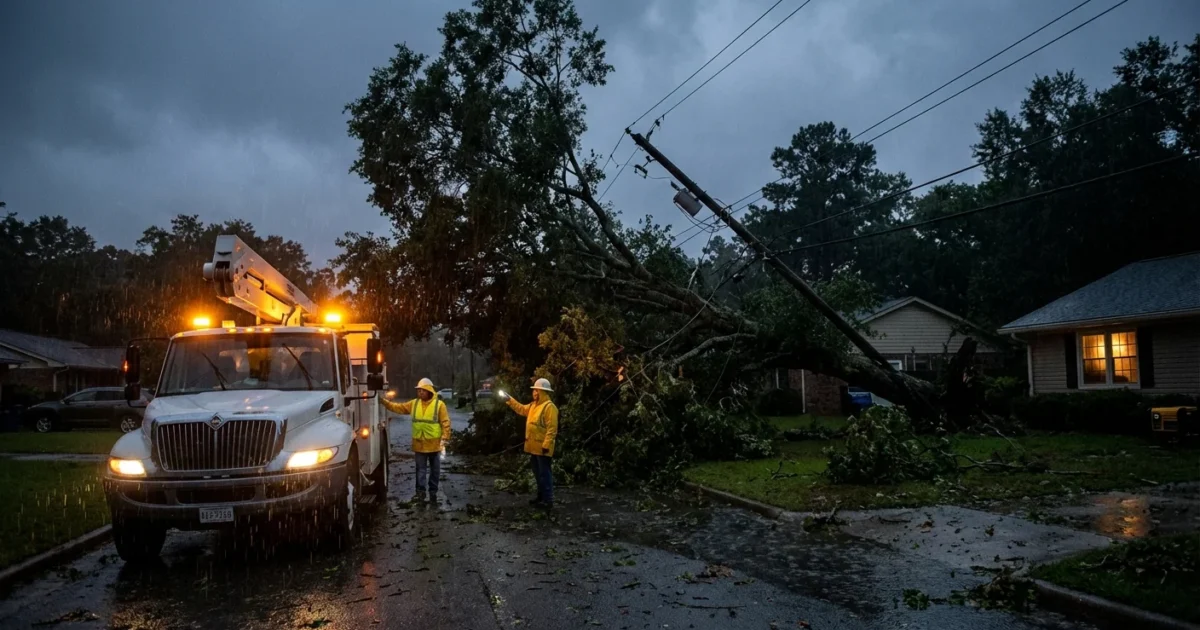
Power is out across broad swaths of western Washington as a coast to coast storm slams the Northwest with hurricane force gusts and sheets of rain. Trees are down. Lines are snapped. School districts have announced closures and delays for safety and bus transport. Crews are moving as fast as wind and debris allow, but restoration will take time, and the weather is not done yet.
What is happening right now
From the coast to the Cascade foothills, the lights went dark in waves as the strongest bands of wind hit. The Puget Sound region has seen the most severe impacts so far, with scattered outages growing into large pockets of darkness. Rural zones with tall timber and narrow roads are seeing the slowest recovery. Urban neighborhoods are facing blocked streets and traffic signals out.
Heavy rain continues to soften the ground. Roots lose grip in soaked soil. That is why trees topple even when the gusts ease for a moment. The result is a moving target for repair crews. One span restored, another taken down nearby.
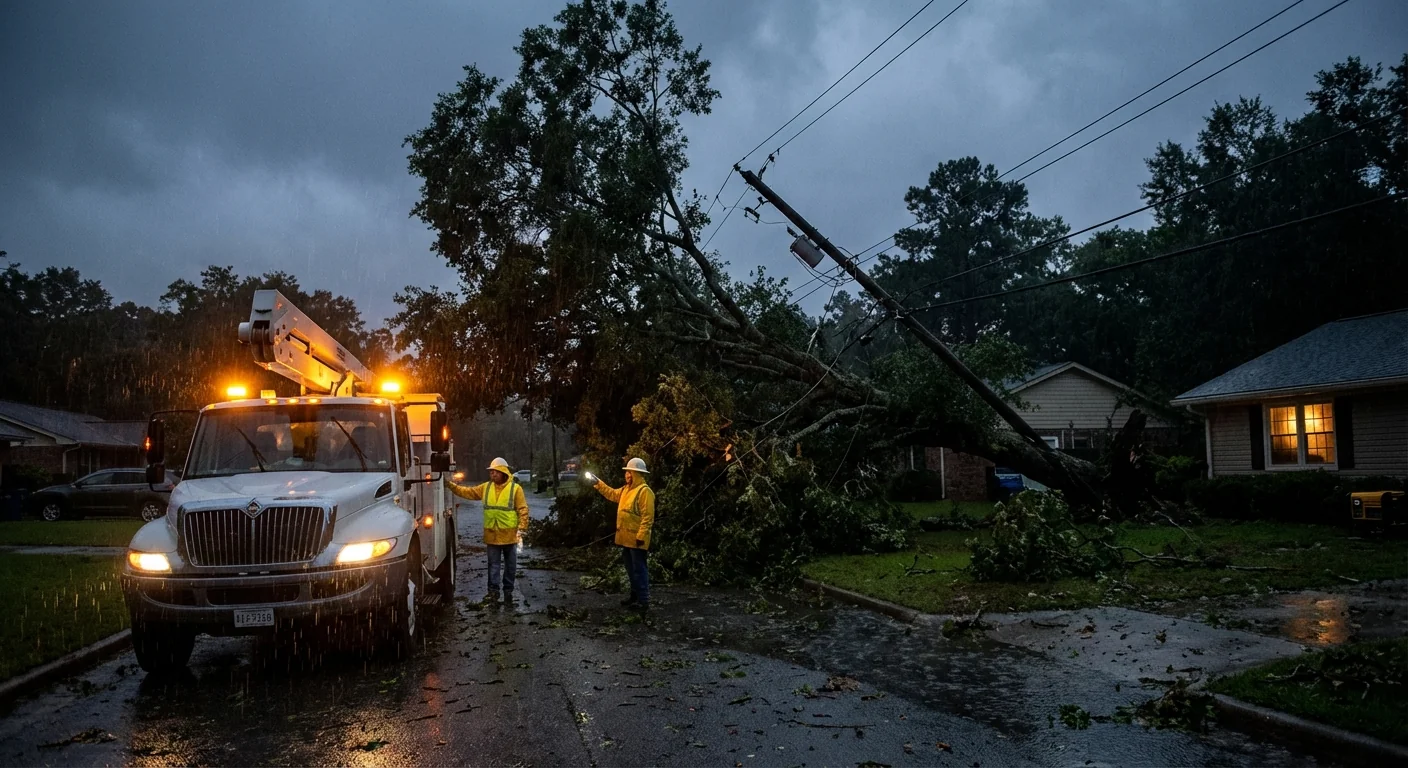
Several school districts announced closures or late starts to keep students and drivers safe. Ferries and buses are reporting delays. Highway crews are cutting through downed limbs to reopen main routes. If you must drive, treat dark intersections like four way stops, and expect detours.
Downed lines can carry deadly voltage even if they look quiet. Stay at least 35 feet away, call 911, then report the outage to your utility.
Why this storm hit so hard
This system tapped a powerful jet stream that swept energy from the Pacific into the West. A deep surface low met a strong pressure gradient, which is a steep change in air pressure over distance. That setup supercharges winds. Along headlands and ridges, gusts matched hurricane force. At sea level, they arrived in sudden bursts that snapped limbs like twigs.
Warm Pacific waters added moisture and heat to the air. That fueled bands of heavy rain and kept soils saturated. In a warmer climate, the air can hold more water. That means bigger downpours when storms form. It also means stronger pressure contrasts as heat moves around the globe. Scientists have warned that wind and rain events can overlap more often, with compounding damage to power grids and roads. Today is a clear example.
What to do now
If you are without power, conserve phone battery and keep one light switched on so you will know when power returns. Keep freezers and fridges closed. Food stays safe longer that way. Avoid candles near curtains or clutter. Use flashlights or battery lanterns instead. If you have medical equipment that needs power, contact your utility for priority notes and look for warming centers.
- Report your outage through your utility’s app or phone line, not 911 unless there is a hazard
- Ventilate if using a fireplace, and keep children and pets back from hot surfaces
- Charge devices in your car only with the vehicle outside and a proper adapter
- Check on neighbors, especially older adults or those with disabilities
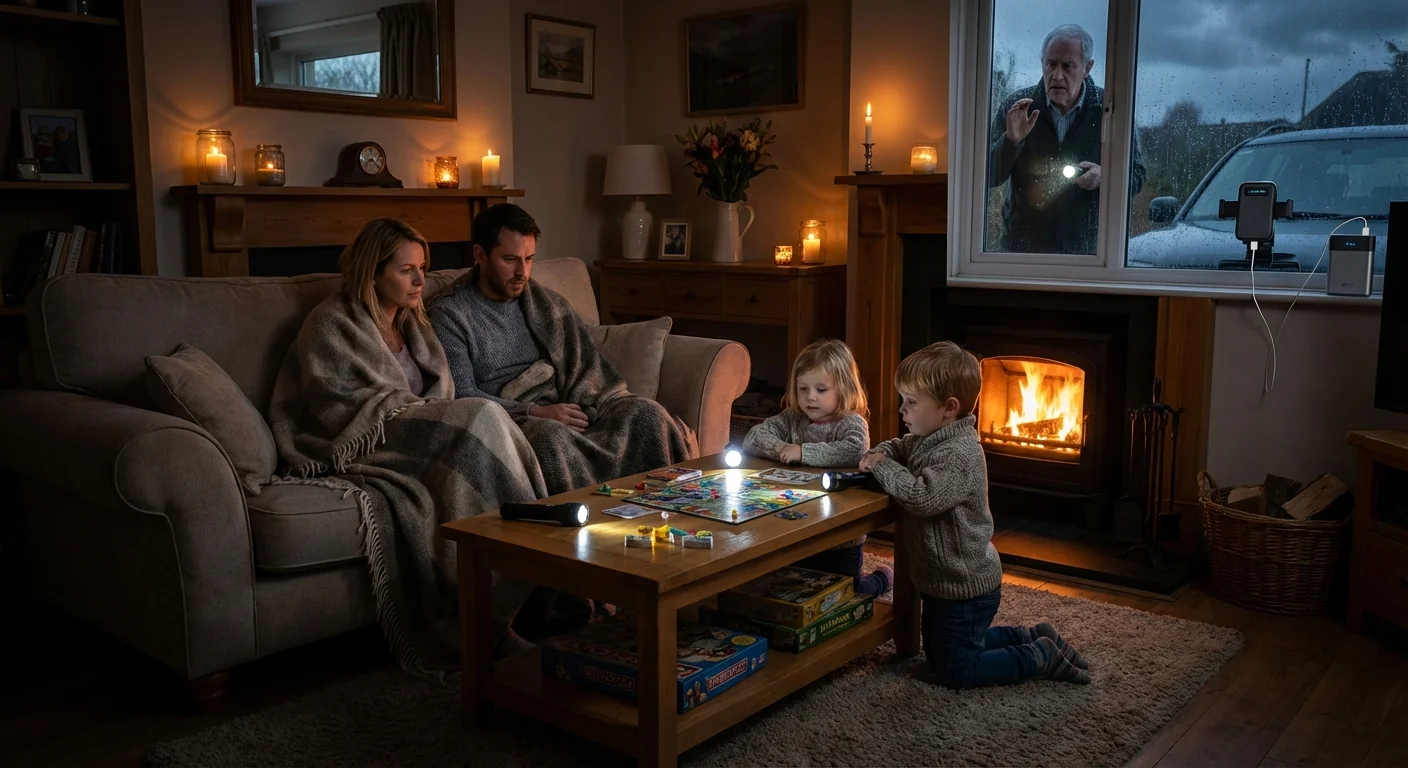
Never run a generator indoors, in a garage, or near windows. Carbon monoxide builds fast and is invisible. Place generators outside, at least 20 feet from doors and vents. Point exhaust away from your home.
Build a 48 hour outage kit. Include water, non perishable food, headlamps, batteries, a first aid kit, a battery or hand crank radio, and needed medicines.
The bigger picture, and how we build back smarter
This storm is a stress test for our grid and our planning. Much of the Northwest relies on lines strung through tall forests. That gives us shade and habitat, but it also makes us vulnerable when winds rise and soils saturate. Hardening lines, replacing brittle poles, and strategic undergrounding in key corridors can cut outage times. Smart switches can isolate faults so one tree does not darken a whole town.
Clean energy can boost resilience too. Rooftop solar paired with home batteries can keep medical devices and fridges running when the grid is down. Community microgrids can island critical services like fire stations, clinics, and shelters. Demand response programs shave peak loads, which reduces stress on equipment during storms. These are climate solutions and reliability tools, working together.
At the same time, cutting the pollution that drives warming helps lower the odds of storms that stack wind on top of extreme rain. Today’s repairs get us through the week. Tomorrow’s investments decide how often we face scenes like this.
Conclusion
The storm is still moving, and so are the outages. Stay safe, stay informed, and give crews room to work. The lights will come back, but this is a clear call to strengthen our grid and our climate plans, so the next round hits a community that is ready, not fragile.