Breaking: MI redraws its cricket map for a hotter, stickier 2026 season. The franchise has moved fast on players, money, and leadership, and I can confirm the plan is built for weather, not just wickets. Arjun Tendulkar is out. Shardul Thakur is in for ₹2 crore. The purse is tight ahead of the December mini-auction in Abu Dhabi. Harmanpreet Kaur stays captain as WPL 2026 retentions lock in stability. The message is clear. MI wants squads that can win in heat, handle dew, and ride out erratic rain.
The climate factor in MI’s roster shake-up
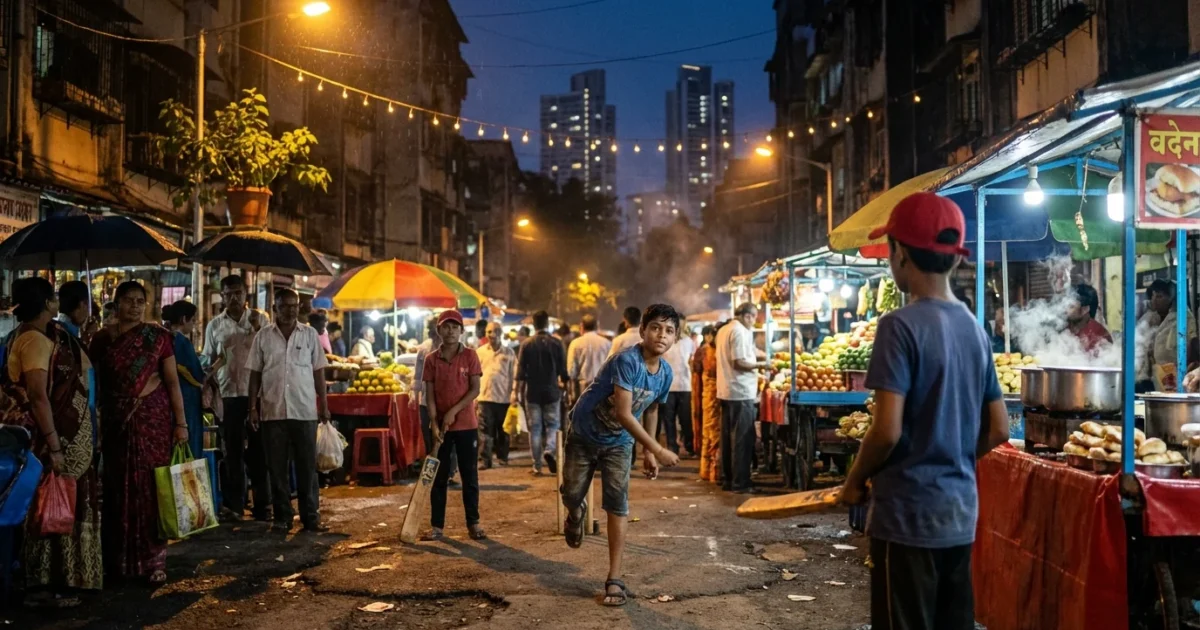
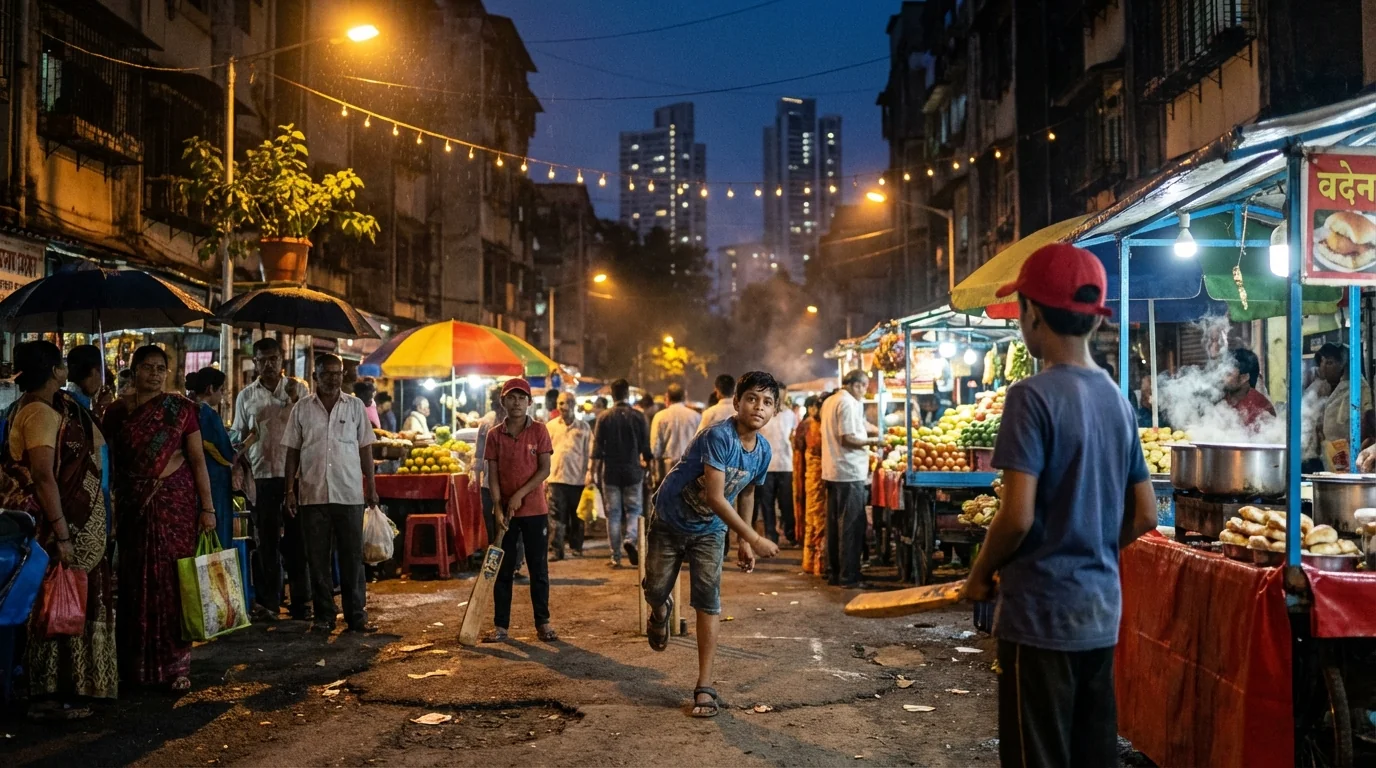
Cricket in Mumbai now plays under two forces, the opposition and the weather. Pre-monsoon heat is rising. Humid nights are stretching longer. Fine particulate spikes can slow recovery. At Wankhede, sea breeze and heavy dew often flip the script after sunset. Bowlers need control. Batters need lungs and legs.
Shardul Thakur fits this plan. He can bowl cutters on two-paced decks and add lower-order runs when the ball grips. In sweaty evenings, that mix helps hold totals under control. Trading Arjun Tendulkar reduces a left-arm angle in the powerplay, but it opens balls-per-rupee flexibility. MI appears to be betting on adaptable overs, not just headline speed.
Mumbai nights bring dew and dense air. That combination pushes captains to chase, and to save overs for the back end.
Auction under a hot sky, strategy with a thin purse
The mini-auction in Abu Dhabi will be short, sharp, and hot. It sets the tone for camps and early prep. MI enters with the lowest remaining purse among IPL teams. That forces a clear rule. Buy roles, not names.
Expect targets who can repeat skills in heat. Think medium pace with strong cutters. Think spinners who can bowl with a wet ball. Think fielders who can sprint and recover in a high heat index. Workloads will be managed. Rotation will be normal, not a luxury.
MI’s ₹2 crore outlay for Thakur hints at the model. Domestic experience. Repeatable skills. Lower price, higher value in harsh weather windows.
Late-overs cutters and cross-seam balls win on sticky decks. Bowlers who change pace without changing action save energy and runs.
WPL retentions, leadership, and player welfare
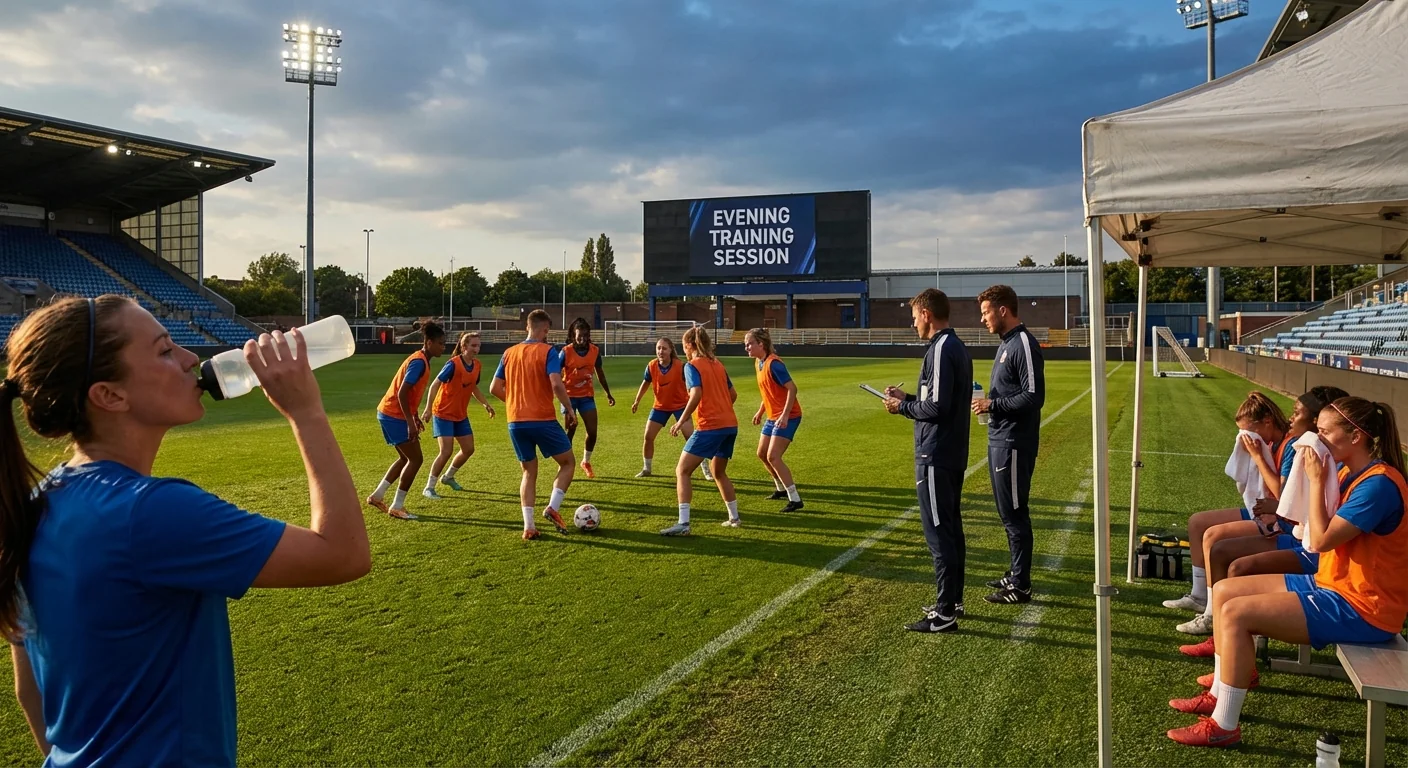
Harmanpreet Kaur remains captain for WPL 2026. Leadership continuity matters when the thermometer rises. The women’s calendar often hits early heat spikes. That means hydration plans, cool-down windows, and smart batting tempo. Retentions give MI a core that already knows how to pace innings through warm evenings and a wet outfield.
Player welfare will shape tactics. Expect more night practices, more shade breaks, and routine heat checks. Recovery is not a side note. It is a match plan.
The sustainability playbook, from water to travel
Cricket cannot dodge climate math. Pitches need water when cities are trying to save it. Teams fly while heat waves grow. MI’s next competitive edge can be simple and smart.
- Recycle water for pitch and outfield care during dry spells.
- Add solar shading and efficient lighting for evening sessions.
- Cut plastic at training and on match days, and expand refill points.
- Consolidate travel blocks to reduce flights and fatigue.
Small sustainability steps protect players now, and protect the game later. Less waste, better recovery, more cricket.
What fans should watch next
Staying sharp in heat is now a skill. With a lean purse, MI must nail the edges.
- One death-overs specialist who grips a wet ball.
- One powerplay bat who can sprint the twos in humid nights.
- A backup keeper with calm hands when the ball skids with dew.
- Bench depth that can rotate without drop-offs in the field.
Conclusion
MI is not just signing cricketers. MI is selecting for climate. Heat, humidity, dew, and erratic rain will shape IPL and WPL 2026. With a tight purse, MI must win the small choices. Roles over names. Recovery over risk. If they get it right, they will be ready for the cricket that the weather is writing.