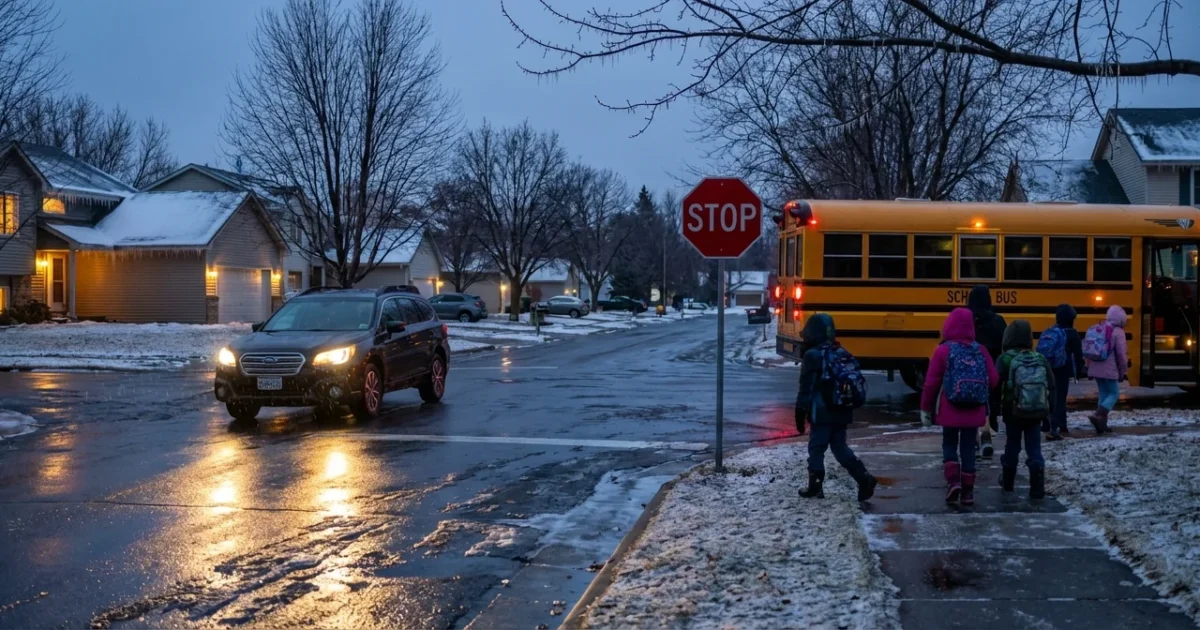
Freezing rain glazed highways and side streets across parts of Minnesota on Tuesday, turning the afternoon commute into a slow crawl and forcing schools to send students home early. I have confirmed multiple early dismissals on December 9 in southern and central districts, including Cannon Falls, Fillmore Central, and Pine River Backus, with several activities canceled to reduce travel risk. This morning, Wednesday, December 10, I am not seeing widespread new closures in those same districts. Officials are still monitoring conditions, with updates expected before the afternoon drive if icing resurges.
What happened, and what’s next
Tuesday’s storm was a classic winter mix. A shallow warm layer above the surface produced freezing rain in bands, followed by bursts of snow. The ice came first, slicking roads and sidewalks. Light snow then hid the glaze, making traction worse and slowing buses and parent pickups.
Early dismissal was the smart call. The goal was to move students before the worst evening icing and reduced visibility. Today, many schools returned to normal schedules, but transportation leaders remain cautious. I am tracking refreeze risks into tonight and the potential for patchy black ice on untreated roads.
Black ice is likely again after sunset where pavement stayed wet. Expect sudden slick spots at intersections, bridges, and shaded curves.
Why conditions turned dangerous
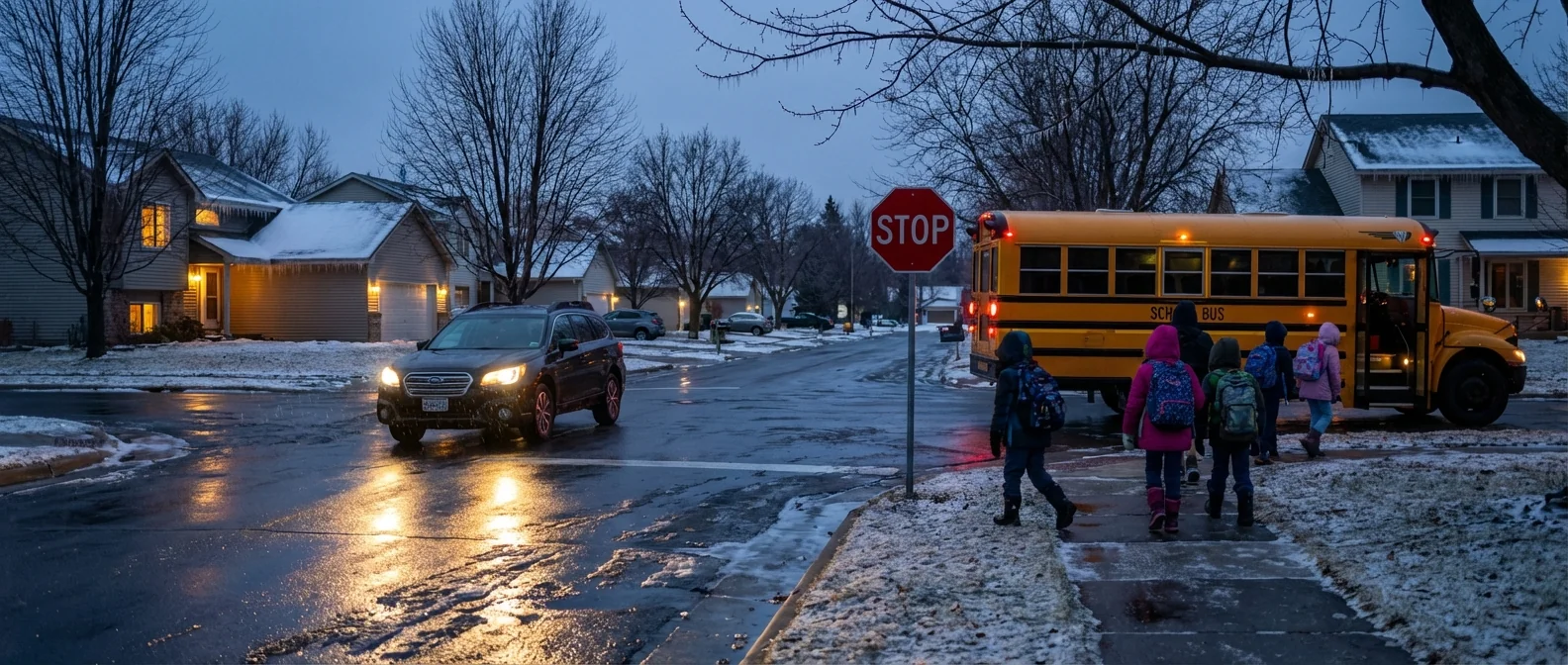
Freezing rain happens when snow melts in a warmer layer aloft, then refreezes on contact with the cold ground. It coats everything in a thin, hard shell. Even a glaze can turn a bus stop into a hazard. Add light snow on top, and drivers cannot see the ice.
Minnesota is also warming in winter, which increases the odds of mixed precipitation. More days now sit near the freezing mark. That means more rain-snow-ice flips within the same storm. These swings stress plow schedules, school timing, and family routines.
Winds stayed gusty in open areas on Tuesday, which lowered visibility and cooled road surfaces. That set up a fast evening refreeze. This is why districts moved early. It bought crews time to salt, sand, and plow before the rush.
How districts decide to close or dismiss
Superintendents and transportation directors start with three inputs, often before sunrise. They consult highway and county plow crews, review high-resolution forecasts for timing and type of precipitation, and physically drive key routes. The hardest calls involve ice, not snow. You can plow snow. You cannot plow glaze.
Key questions shape the choice. When will roads peak in danger, and when will they recover. Can buses finish routes safely. Will conditions worsen during the late activity window. If the worst arrives mid afternoon, leaders lean toward early dismissal. If the punch comes overnight, they may delay or close the next morning.
Wind chill can also trigger closures, especially when frostbite time drops into minutes at bus stops. On Tuesday, ice and visibility carried more weight than temperature alone.
What families should do today
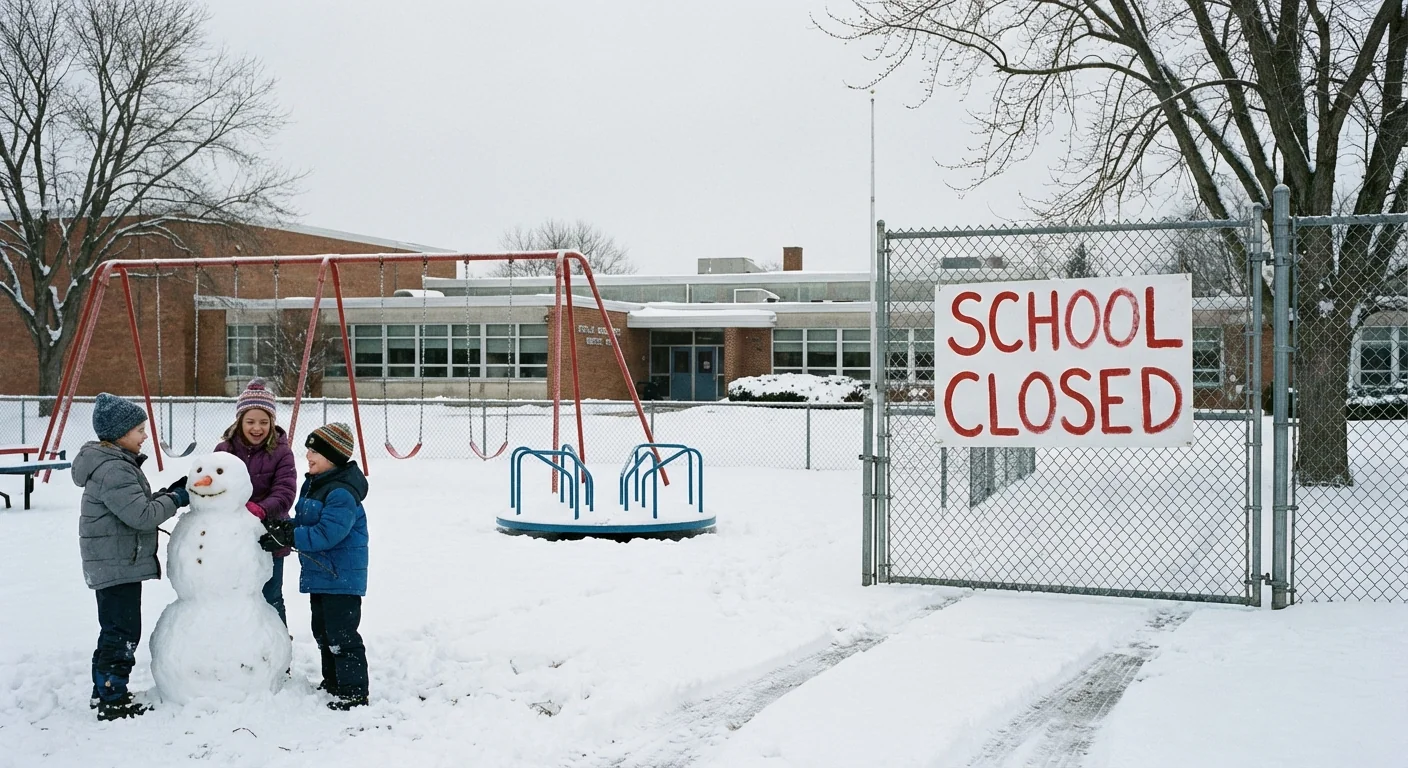
Plan for a normal schedule, but be ready to pivot after lunch if icing returns. Keep pickup plans flexible and coordinate with neighbors.
- Check your district’s website, text alerts, and local radio after noon
- Leave extra time, and slow well before stops and turns
- Use sand or pet safe melt on sidewalks to protect waterways
- Pack boots with tread, dry socks, and a small flashlight for late rides
Save your district’s alert number as a favorite. Run a 10 minute drill for early pickup, including a backup contact.
If you must drive, carry a scraper, a small shovel, a blanket, and traction aids. Keep fuel above half to prevent line freeze. Never warm a car in a closed garage. If power flickers, check on neighbors and keep phones charged.
Lessons from past storms, and the sustainability angle
Minnesota schools faced a major November storm just weeks ago, and extreme cold closed doors last February. Each event has sharpened strategy. More districts now split decisions by township, release by tier, or shift to e learning for a single day. Electric and diesel buses both struggle on ice, so route timing and tire choice matter more than engine type.
Salt works, but heavy use harms lakes and streams. Cities and schools are testing brine pre treatment, beet juice blends, and better plow timing to cut salt loads. Buildings are also getting smarter. Tight envelopes and demand response can keep classrooms warm if buses are delayed, and microgrid pilots are spreading. Resilience saves money and keeps kids safe.