Breaking now: Mendoza means two very different things today. In Argentina, a light earthquake shook the Andean province this morning. At the same time, a college quarterback named Fernando Mendoza is in headlines ahead of a major bowl game. If your phone lit up with Mendoza alerts, know which one you are seeing. Mine are focused on the ground and the sky.
What shook in the Andes
A magnitude 3.0 tremor struck near Tupungato, about 56 kilometers west of Mendoza city, at 08:31 local time. It was a light event, the kind that rattles shelves but rarely causes damage. People close to the epicenter may have felt a brief jolt or a soft roll. In the city, many likely felt nothing at all.
Mendoza Province sits on the front line of mountain building. Here, the Nazca Plate slides under South America. That slow grind lifts the Andes, and it also stores stress in the crust. Small quakes release that stress in frequent bursts. Today’s shake fits that pattern.
This was not a storm. It was not a volcanic eruption. It was the deep mechanics of the Earth at work, in a region used to it.
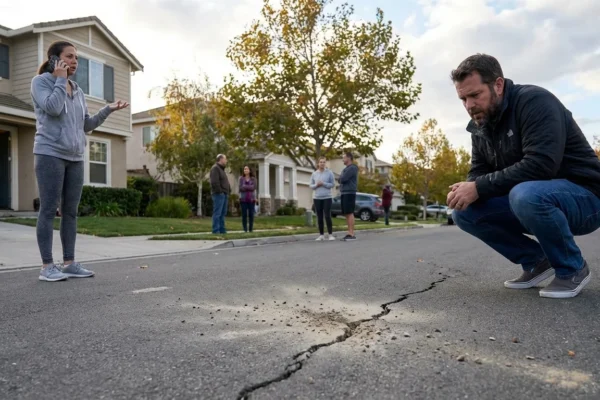
Light quakes can have aftershocks. Most are too small to feel. Stay away from cracked walls, check gas lines, and keep exits clear.
Earth, water, and summer heat
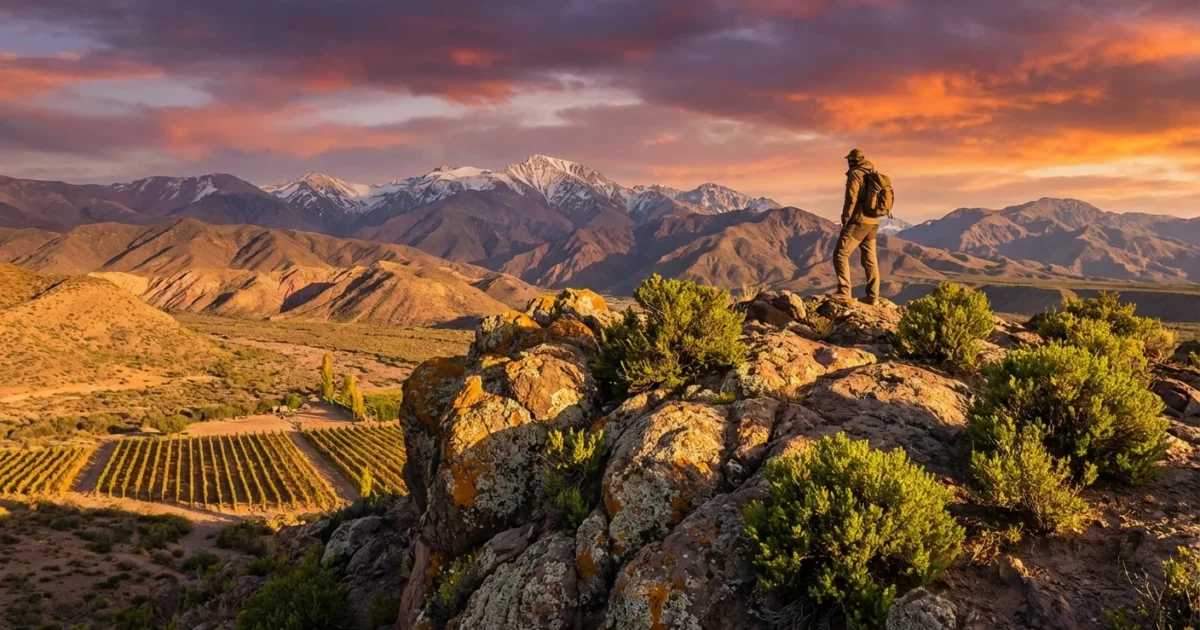
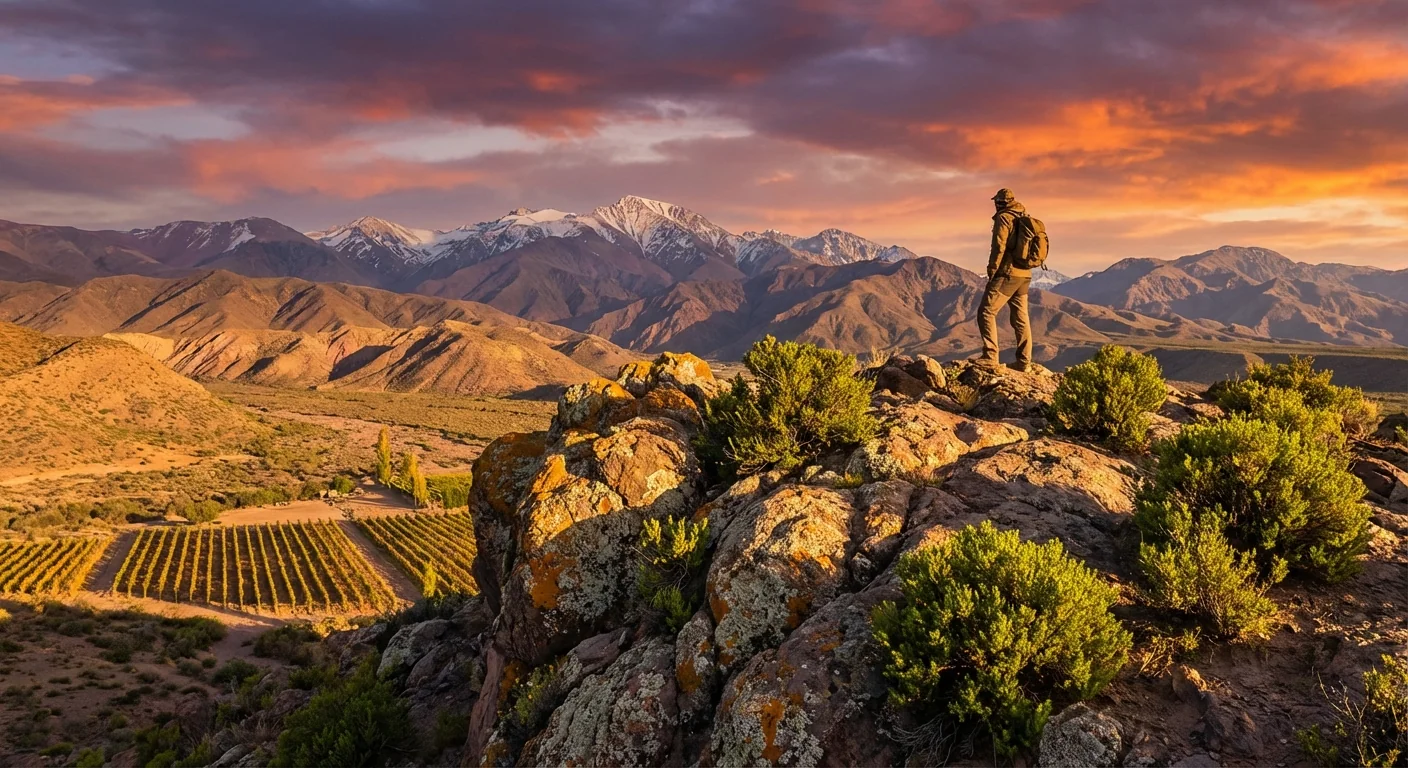
It is high summer in Mendoza. Days are dry and hot. The Zonda wind, a warm downslope gust, can roar at times and strip moisture from soil. Water is life here, carried from snow and ice in the high Andes down to vineyards and towns.
That is why quakes matter even when they are small. They can unsettle slopes and nudge loose rock onto mountain roads. They can stress canals and small dams. Today’s event was too light for major effects, but the system is complex. Mountain water, thirsty soils, and human infrastructure are all linked.
Glaciers above Mendoza have been shrinking in recent decades. Warmer air and dust on ice speed melt. Snow arrives later some years, and melts earlier. That shifts peak river flow and strains reservoirs in late summer. When the ground shakes in a dry year, even a little, it adds one more test to a region already balancing heat and water.
Why this region shakes often
Picture two giant rafts on a pond. One slowly slides under the other. That is plate tectonics in simple terms. Each tiny catch and release sends out waves. Most are small. Some are large. Mendoza sees many of the small ones.
Nearby volcanoes, including the high Tupungato massif, exist because of this same process. A small quake like today’s does not mean an eruption is coming. It is a reminder that the crust here is active all the time.
What to do when the ground moves
- Drop, cover, and hold on until the shaking stops.
- If outdoors, move away from walls, trees, and power lines.
- Do not run outside during shaking if you are indoors.
- Afterward, check for gas smells, water leaks, and fallen power lines.
Keep a grab bag ready. Water, a flashlight, a radio, medicine, and copies of IDs. Refresh it every six months.

The other Mendoza you are seeing
There is also a sports story today. A United States college quarterback named Fernando Mendoza is in the spotlight ahead of a major bowl game. That news is unrelated to the Andean tremor. If you see a highlight reel, that is the athlete. If you see a map with concentric circles, that is the quake.
Two Mendozas, two worlds. One is a person, one is a place. Your safety alerts refer to the place in Argentina.
What I am watching next
Small quakes can cluster, then go quiet. I will monitor regional instruments for any follow up tremors. I am also tracking heat and wind in the Cuyo region as summer peaks. Dry soils, strong sun, and any Zonda bursts raise wildfire risk. Water managers will watch mountain melt and reservoir levels through February and March.
Resilience here is a mix of smart building, careful water use, and clear alerts. Seismic codes protect homes. Drip irrigation saves every drop. Early warnings save minutes, which save lives.
Conclusion
Today, the word Mendoza carried two stories. One was sport. One was the steady pulse of a living mountain chain. The quake was light, and life in the province goes on. But the message stands. In a warming, drying summer, every shake and every gust matters. Stay alert. Respect the land. Protect your water.