Light snow and a stubborn glaze are steering Massachusetts into a patchy morning shutdown. Districts across parts of the state are closing or delaying as a narrow band of flakes drifts east, leaving slick black ice on side streets and bus routes. The snow is light, the impacts are not. I am tracking conditions and closures in real time, and the call is clear. Safety comes first.
What is happening this morning
A cold layer near the ground met moist air before sunrise. That set up a quick burst of light snow and freezing drizzle. Pavement temps sat near 32, so many main roads looked wet but behaved like glass. That is the black ice trap that trips up the morning commute.
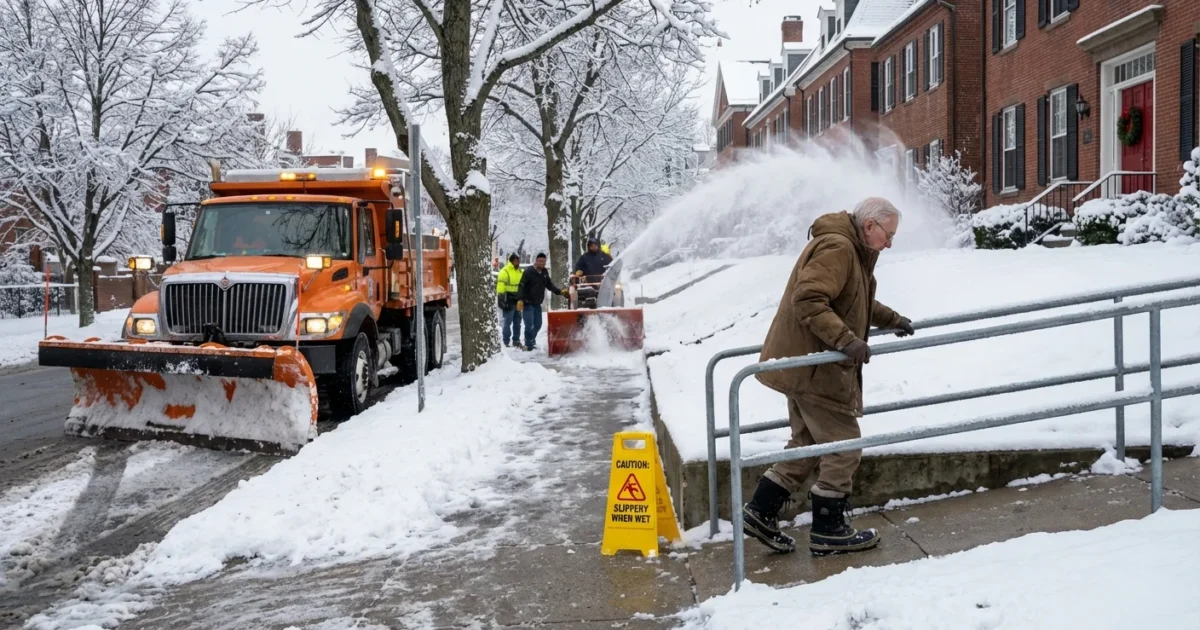
Plow crews are treating hills, bridges, and shaded stretches. Those areas cool first and ice fastest. Microclimates matter today. A neighborhood that looks fine can shift to slick one block later. Expect the worst under trees, on ramps, and on untreated sidewalks. ❄️
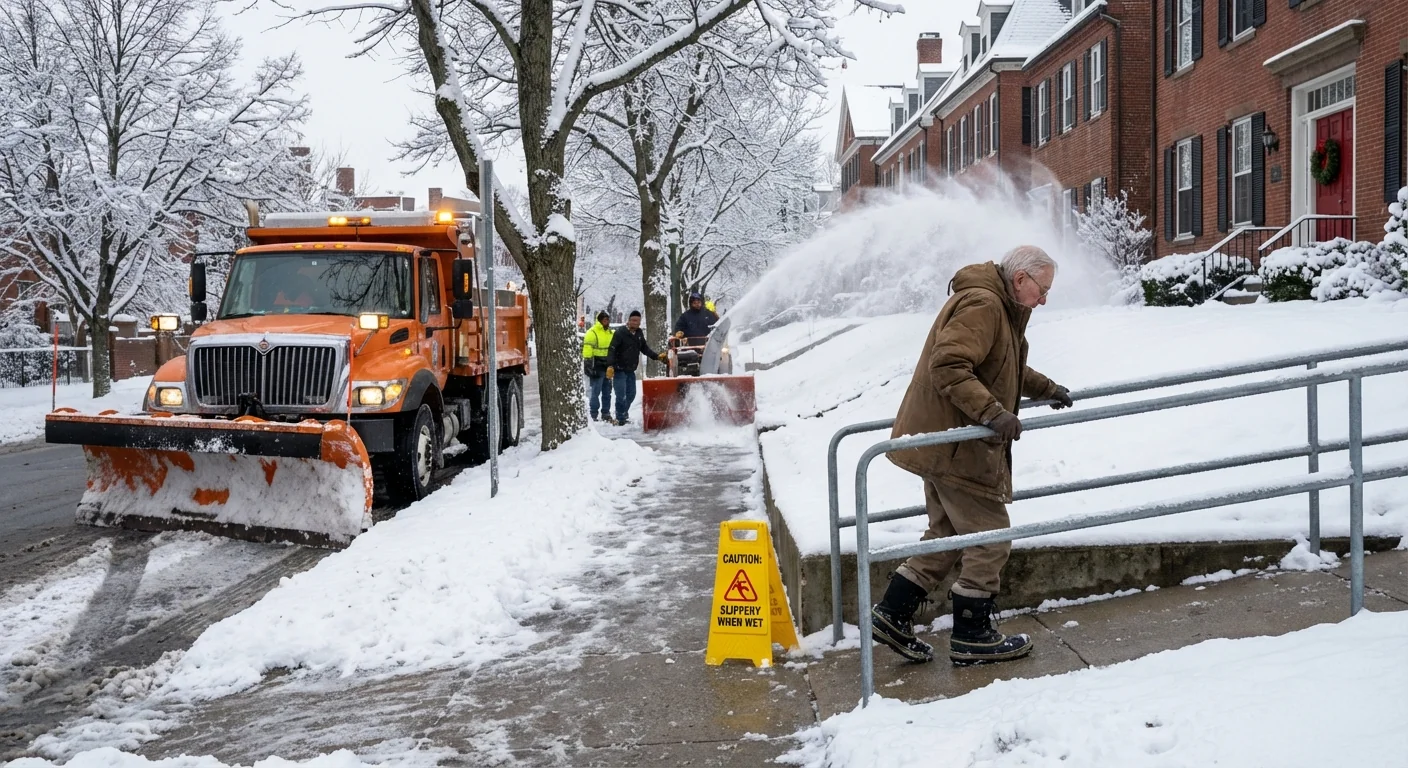
Closures and delays tend to cluster when snowfall overlaps with bus pickup times. That is what we have. Light flakes linger during the early run, then fade late morning for many towns. Some districts are pivoting to remote or a late start to dodge the worst hour.
Why districts close, and how the calls get made
Superintendents do not chase a snow total. They judge risk on the ground. This morning, the risk is thin ice, not deep snow. Bus traction, stop visibility, and walkway safety are the big triggers.
Here is what leaders weigh before dawn:
- Road grip for buses on side streets and hills
- Sidewalk and crosswalk ice near schools and stops
- Building heat and power checks, plus staff travel
- Short‑term forecast during pickup and drop‑off windows
A two hour delay allows crews to salt problem spots and clear school entries. It also lets traffic and sun nudge temps upward. In a marginal pattern like today, that small warmup can turn ice to slush and make a big difference.
Safety and preparation for families
If your district is closed or delayed, build a simple plan. Keep kids safe on foot and on wheels. Thin ice hides under a dusting, so treat every dark patch as slick.
Black ice is forming on untreated roads and sidewalks. Slow down and leave extra space.
Walkers should choose cleared routes and wear shoes with grip. Drivers should take it easy on bridges and off‑ramps. Gentle brakes. Wider turns. Clear all windows, lights, and the roof before rolling.
What families can do before 9 a.m.:
- Check your district’s website, app, email, and text alerts
- Set a backup childcare contact for delays or early dismissals
- Charge devices and gather class links for remote periods
- Pack extra layers and dry socks if school is in person
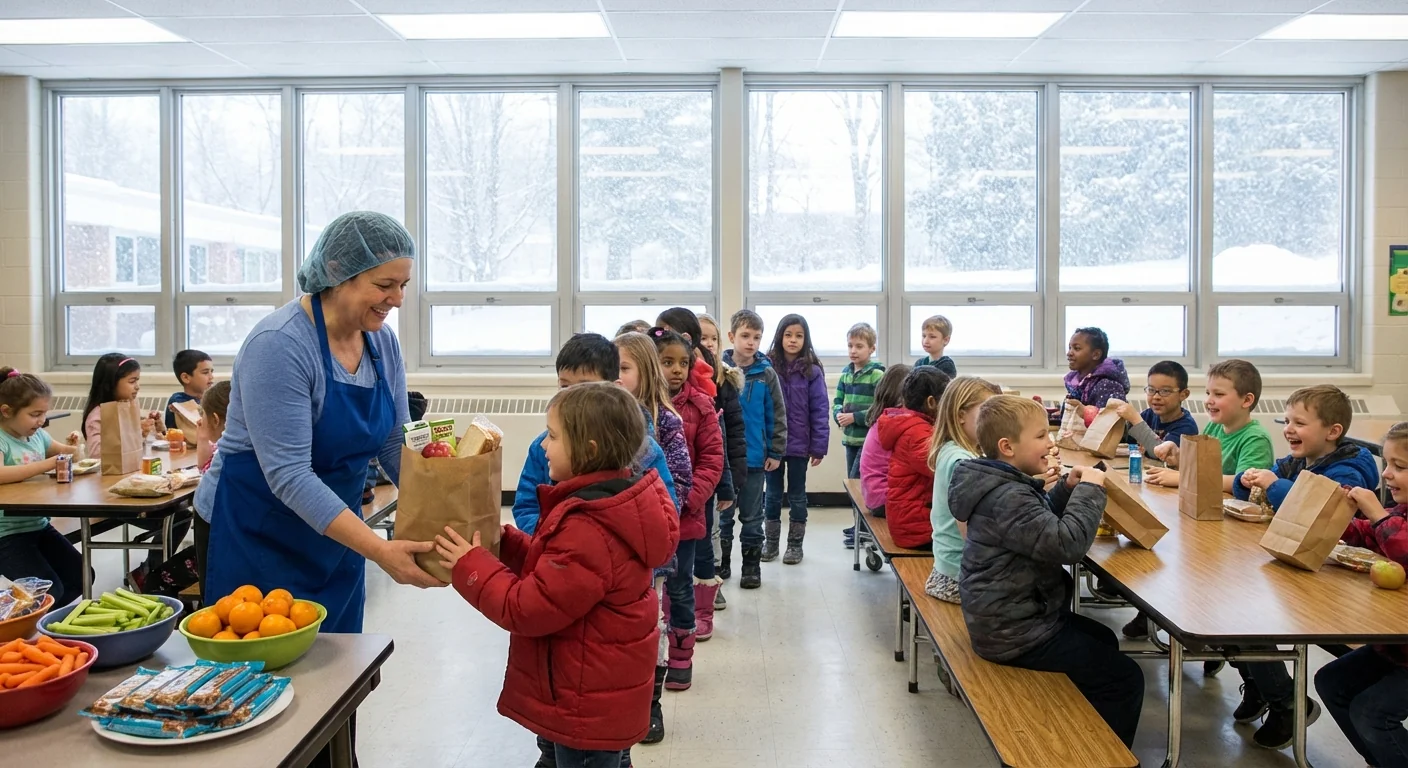
Meal programs matter on days like this. Many districts shift to grab‑and‑go or redistribute later. Watch for messages from food service teams if you rely on school meals.
The climate signal behind today’s light snow
This is a classic near‑freezing event in a warming Northeast. Winters now run milder on average. More storms ride the temperature edge. That means more mixed events, more freeze and thaw swings, and more thin icing during commutes. A few degrees decide everything. Today they decided ice.
Warming oceans feed storms with more moisture. When the air is just cold enough, that moisture falls as fluffy flakes. When it is barely freezing at the surface, a light snow can bond to pavement and glaze. The result is smaller totals but sharper travel hazards.
This shift has sustainability costs. Crews use more salt to fight frequent ice. Salt builds up in streams and soils over time. Pets and roadside trees feel it first. Towns are adapting with smarter brining, better route timing, and sensor data to cut waste.
Road salt can harm streams and pets. Use only what you need. Sweep excess back into a bucket after sidewalks dry.
Schools are adapting too. Remote options reduce risky travel and emissions on marginal days. Electric buses handle cold well when routes are managed. Efficient building systems hold heat longer during delays, saving energy and money.
What to expect next and how to stay updated
Light snow fades east through late morning in many areas. Road conditions usually improve after treatment and a modest daytime bump. Watch for a refreeze near sunset if skies clear and temps dip. Slush turns back to ice fast after dark.
For updates, trust official channels. Your district’s website, email and text alerts, and local TV and radio push the fastest changes. Many schools also post to verified social feeds when decisions shift.
Set district alerts now. Email, text, and app notifications arrive faster than manual refresh.
I will continue to monitor road sensors, spotter reports, and campus conditions. Today is not about snow depth. It is about timing, temperature, and traction. Take it slow, plan smart, and we will get through the morning in one piece.
Conclusion
Light snow wrote a simple story today, small totals with outsized risk. Massachusetts districts answered with closings and delays to protect kids, families, and staff. This is the new winter math for a warming climate. Marginal air, quick icing, careful calls. Stay patient. Stay informed. And take care of the ground under your feet.