BREAKING: Powerful 7.6 quake strikes off Japan’s Sanriku coast, tsunami warnings up to 3 meters
A powerful magnitude 7.6 earthquake struck off Japan’s northeastern Sanriku coast at 23:15 JST. The epicenter was about 80 kilometers offshore near Aomori Prefecture, at a depth of roughly 50 to 53 kilometers. Strong shaking rippled down the coast and was felt in Tokyo. Sirens sounded across harbors as communities moved to higher ground.
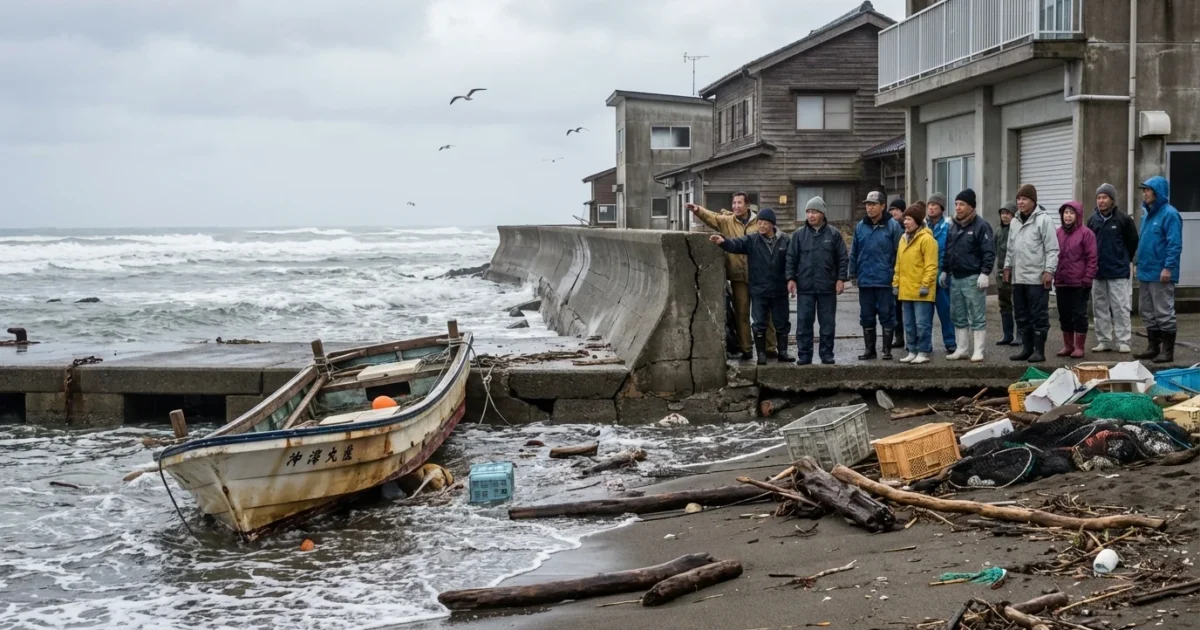
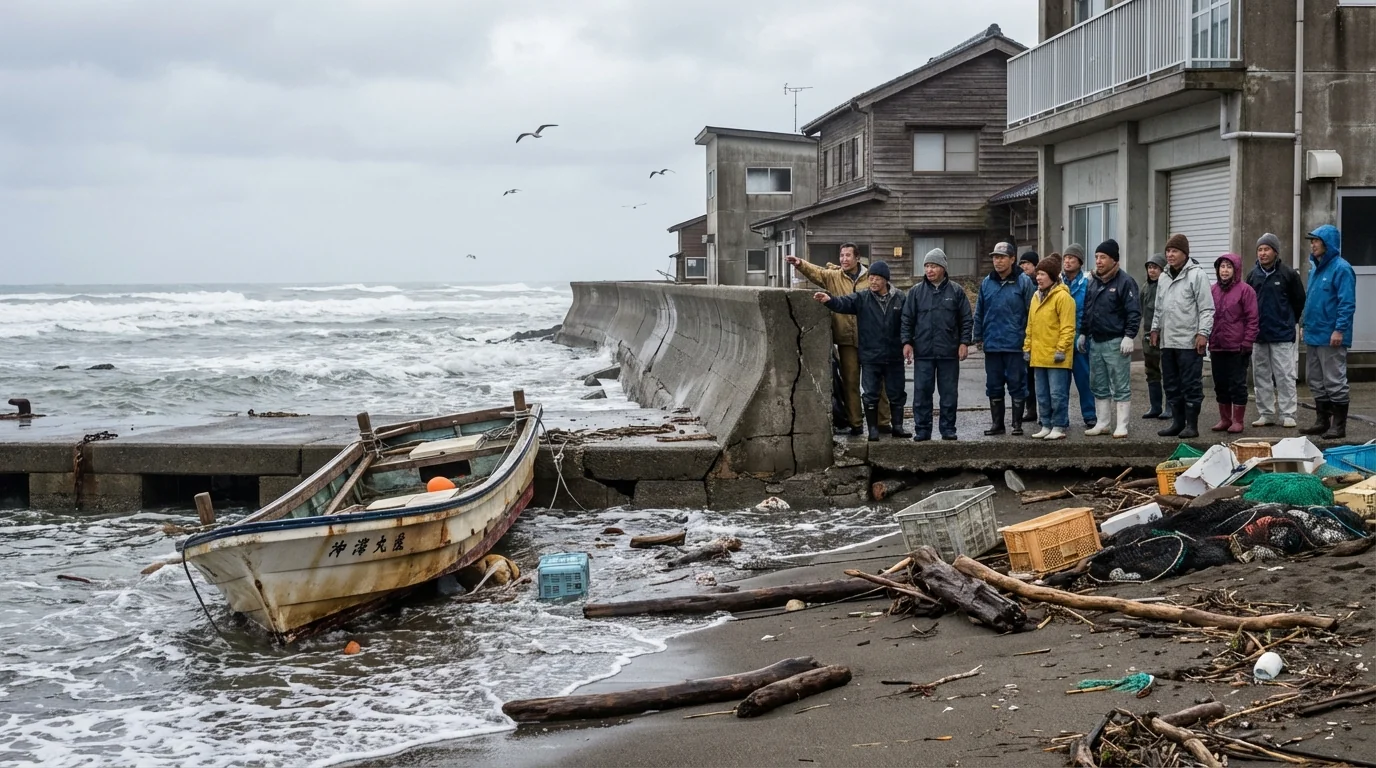
I am tracking confirmed tsunami arrivals. Smaller waves, around 40 centimeters, have already reached several ports. Authorities warn that larger waves can follow. Warnings for Aomori, Iwate, and parts of Hokkaido cite possible waves up to 3 meters.
What’s happening now
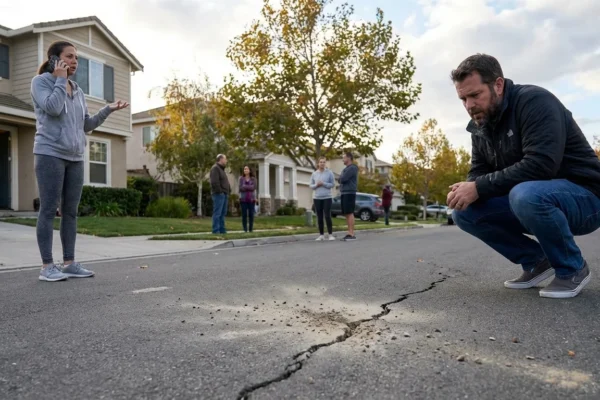
Evacuation orders and advisories are in place along low-lying coastlines. Train services, including the Tohoku Shinkansen in the affected stretch, are suspended while tracks and power lines are checked. I have confirmed localized injuries, including at a hotel in Hachinohe, Aomori. Power outages are affecting thousands of customers in scattered pockets.
The national government has activated an emergency task force. Coastal nuclear facilities report no damage at this hour, and precautionary inspections are underway. Ports are closed to traffic in warning zones. Fishing fleets are staying offshore or in deep water until the all clear.
If you are in a tsunami warning area, move to higher ground now and stay there. Do not return to the shoreline until officials lift the warning.
Tsunami risk in plain terms
Tsunamis are not single waves. They arrive in pulses that can last for hours. The first wave is often not the largest. A 40 centimeter rise can become a dangerous surge in a narrow inlet, a harbor, or a river mouth. Nighttime evacuations add risk, since visibility is poor and winter air is cold.
Even modest sea level rise worsens today’s hazard. A higher baseline means waves ride in farther. A few extra centimeters can push water over seawalls or flood defenses that once held firm. That margin matters along the carved, V-shaped embayments of the Sanriku coast.
Why this coast is so vulnerable
The Sanriku shoreline is beautiful, and it is built like a funnel. Long, steep bays focus wave energy inland. This is why the region has a deep memory of tsunamis. The 1933 Sanriku earthquake sent walls of water more than 20 meters high into fishing towns. The 2011 Tohoku disaster reshaped national policy and personal habits along this coast.
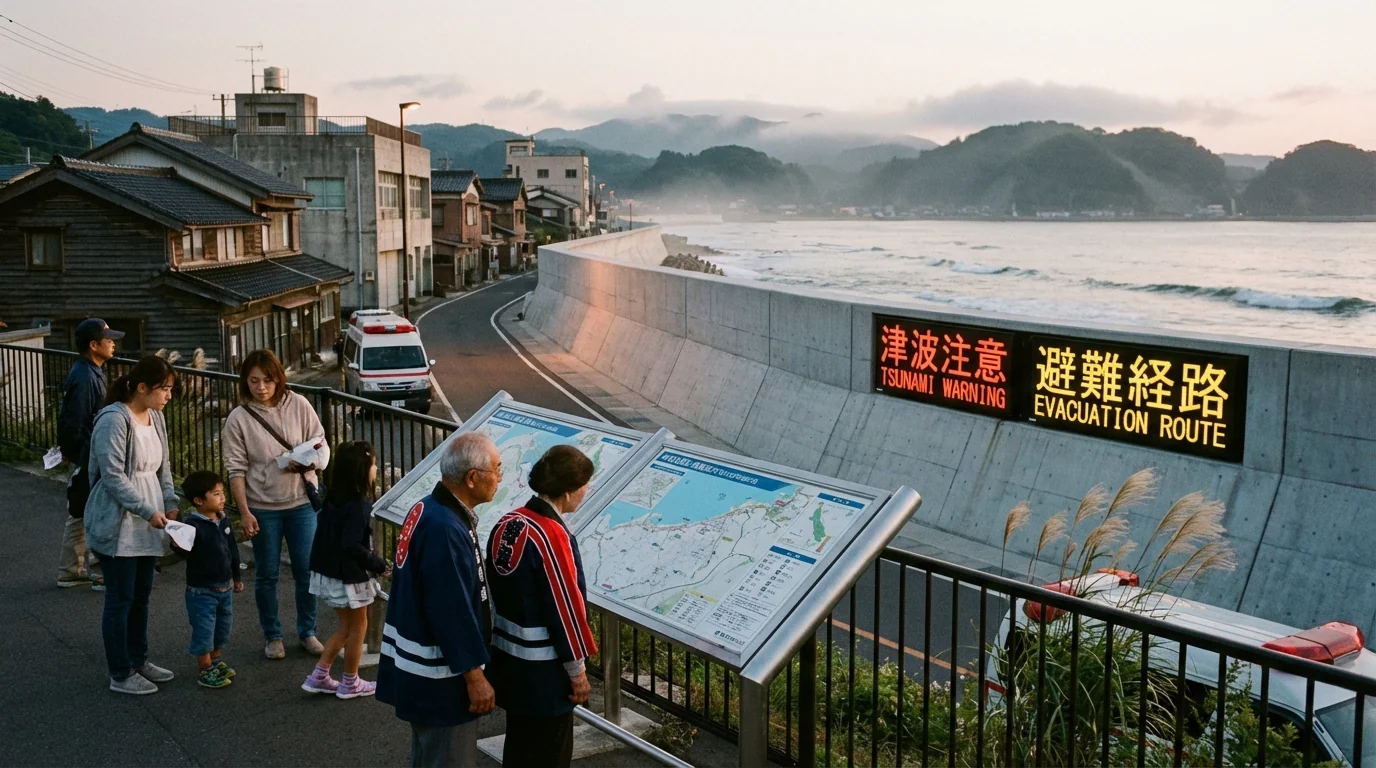
Since then, seawalls have been raised in many towns, and evacuation routes have been widened. Early warning systems have been upgraded to cut seconds off alert times. That investment saves lives on nights like this. Still, defenses are not perfect, and every bay behaves differently in a tsunami.
Weather, safety, and the night ahead
It is December along the North Pacific. Air and water are cold. Hypothermia is a real risk during night evacuations and coastal rescues. Surf will be confused for hours, with strong currents and floating debris. Aftershocks are likely. Some may be strong and may trigger additional local waves, landslides, or building damage.
If you are inland, expect delays as crews inspect bridges, slopes, and seawalls at first light. Expect rolling power checks, and test alerts on phones and loudspeakers. Keep walkways clear for emergency vehicles.
Pack a go bag where you can reach it fast. Include warm layers, a flashlight, chargers, a small radio, medications, water, and copies of key documents.
Infrastructure and resilience
Tonight is a stress test for coastal systems built after 2011. Breakwaters reduce harbor damage, but they do not erase risk. Microgrids and solar-plus-storage will help keep shelters warm and lit if power cuts spread. Backup pumps for wastewater and drinking water plants are critical. Nuclear sites remain under strict review, with automatic shutdown and multi-layered flood defenses, and those inspections continue through the night.
Here is what coastal residents should do right now:
- Move to high ground, at least the third floor or higher if vertical evacuation is your only option.
- Stay off beaches, ports, and river mouths until the all clear.
- Keep phones charged, but save battery. Use text over calls.
- Check on neighbors, especially the elderly and people with disabilities.
The bottom line
This is a serious coastal emergency, and it is unfolding at night in winter. The science is clear. Early action saves lives in tsunami country, and higher seas magnify small margins. Keep moving to high ground, stay informed, and wait for the official all clear. I will continue to report updates as inspections, aftershock patterns, and coastal water levels come into focus. Stay safe.