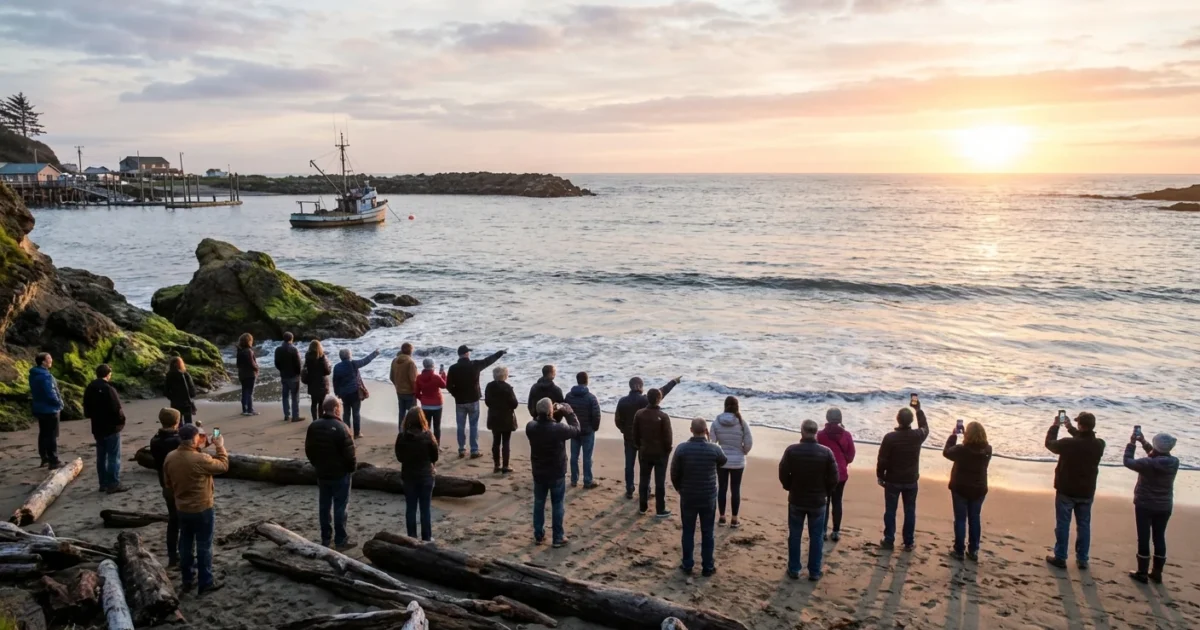
A strong offshore earthquake rattled the Oregon margin today. I can confirm a preliminary magnitude 6.0 event struck in the Pacific, a little more than 180 miles west of Bandon. Based on early analysis, no tsunami warning is expected. Coastal communities reported light shaking at most. Ports and harbors remain calm, as gauges show no unusual surge.

What happened offshore Oregon
This quake hit a busy stretch of ocean crust where plates slide and tear. It is part of a network of faults that run between the Juan de Fuca Ridge and the Blanco Fracture Zone. This area produces moderate to strong quakes every year. Most stay offshore. Most do not cause damage on land.
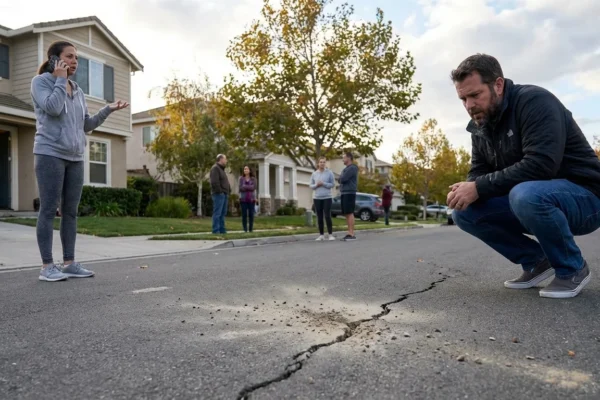
Shaking this afternoon was felt unevenly along the south and central coast. Some people noticed a brief roll. Others felt nothing at all. That spread makes sense at this distance from shore. Energy had to cross deep water and complex geology before reaching land.
Aftershocks are possible. A sequence may unfold over the next several days. Magnitude and location estimates will be refined as more data arrives.
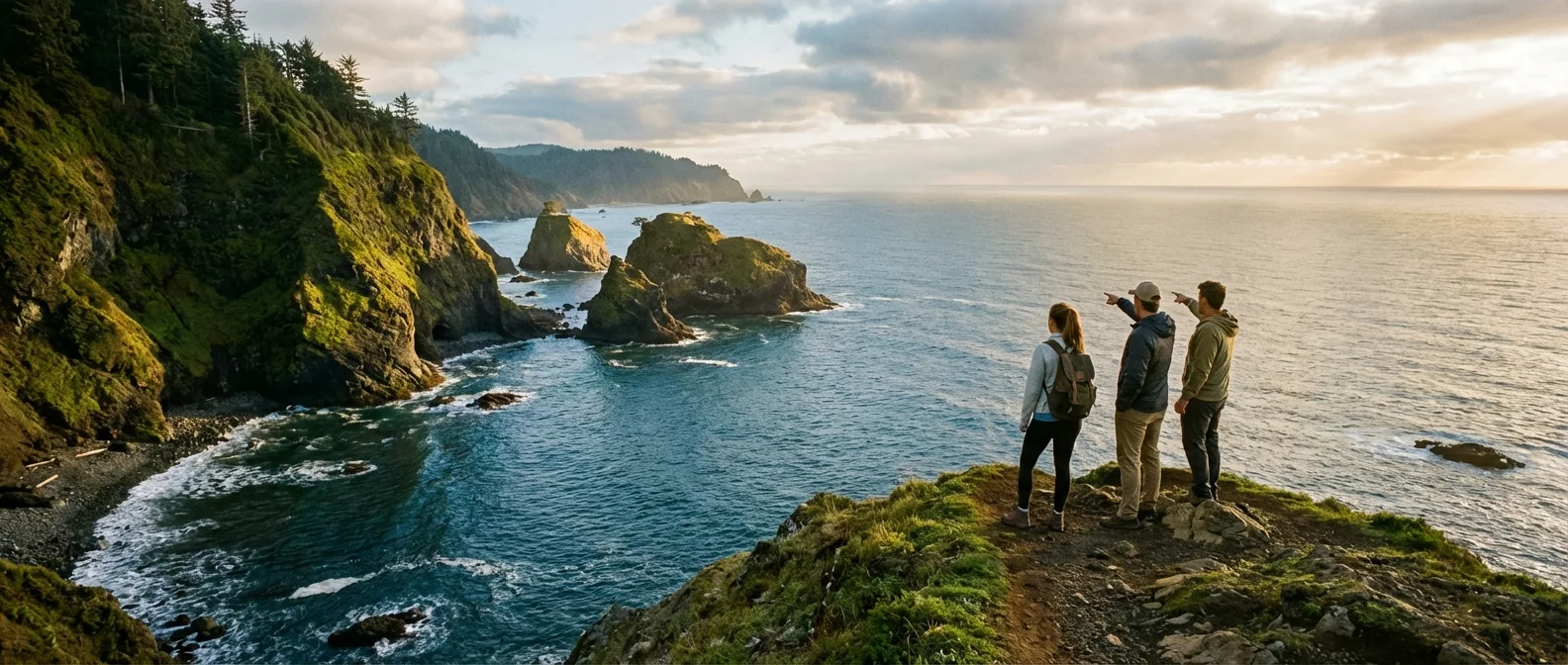
Expect aftershocks. If you feel shaking, drop, cover, and hold on. Stay off jetties and rocky headlands today. Waves and footing are unsafe after quakes.
Why no tsunami this time
Tsunamis come from big, fast lifts or drops of the sea floor. This quake likely involved side to side motion along an oceanic fault. That kind of slip moves rock, but it barely moves water vertically. With little vertical push, the water column stayed put. Distance also helped. The epicenter was far offshore, which blunted any small displacement before it reached land.
Coastal sensors show normal patterns for this hour. Harbor masters report routine tides and currents. Beaches remain under standard winter surf conditions, not tsunami surge.
The science in plain terms
Picture two rough blocks of crust sliding past each other. They grind, stick, then slip. The slip releases energy that we feel as shaking. But the ocean surface barely rises or falls, because the rocks did not tilt up or down. No big vertical shove, no tsunami.
Offshore quakes and the Cascadia difference
This event did not strike on the Cascadia Subduction Zone. Cascadia is the giant plate boundary that dives under North America. It runs from northern California to British Columbia, just offshore of Oregon. When Cascadia breaks, the sea floor can lurch up or down. That is how you get a Pacific wide tsunami. Today’s quake appears to be in the outer ocean crust, west of the subduction interface.
That difference matters. Offshore faults like today’s tend to produce strong shaking that fades with distance. Cascadia megathrust events are rare, but they are massive. Those can reach magnitude 8 to 9 and last for minutes. They are the ones that demand fast evacuation from low lying coastlines.
Today’s quake is a reminder, not a replica, of a Cascadia scenario. The geology and the tsunami risk are different.
What this means for coastal resilience
Today offered a live test without tragedy. Warning systems worked as designed. Mariners checked gauges. Emergency managers stood up. Communities should use this window to tune plans, because climate pressures raise the stakes.
Oregon’s coast is facing higher seas and stronger winter storms. King tides stack on top of that. Even a modest surge can push farther inland than it did a generation ago. Add shaking to that mix, and docks, roads, and fuel tanks can fail faster. Nature based buffers help. Healthy dunes and wetlands soak up wave energy. Strong building codes and raised utilities keep towns running when seas run high.
Here are smart steps to take now:
- Update and practice your evacuation route to high ground.
- Store two weeks of water, food, meds, and a battery radio.
- Support dune and wetland restoration that shields neighborhoods.
- Check home straps, bookshelves, and water heater anchors.
Turn on wireless emergency alerts, keep shoes and a flashlight under your bed, and know where you will meet family after a quake.
Sustainability is part of safety. Cutting greenhouse gas emissions will not stop quakes, but it will slow sea level rise. That buys time for ports, highways, and coastal towns to adapt. It is a practical shield against future compound disasters. Think of it as risk reduction from the atmosphere to the ground.
The bottom line
A strong offshore quake shook Oregon’s doorstep, but the ocean stayed calm. No tsunami warning is expected, and onshore impacts appear limited. The message is clear. Offshore faults are active. Cascadia still looms as the region’s big seismic threat. Use today as a drill. Prepare your family, support coastal restoration, and push for resilient infrastructure. Prepared beats scared, every time. 🌊