BREAKING: Strong offshore quake rattles northeastern Japan, tsunami warnings issued
Coastal sirens are sounding along Japan’s northeastern shore right now. A powerful earthquake struck offshore near Hokkaido and Aomori, and authorities have issued a tsunami warning. Residents are moving to higher ground as wave heights up to 3 meters, about 10 feet, are possible. This is a fast-moving situation. Stay alert, do not wait to see the water.
What we know now
The quake hit on December 8, local time, with a preliminary magnitude of 7.2 reported by the Japan Meteorological Agency. Some international centers initially listed it as high as 7.6. This spread is normal in the first hour. Magnitudes often change as more data arrives from deep ocean sensors and onshore stations.
The epicenter is offshore, east of Hokkaido and Aomori, with a depth near 50 kilometers. That depth can still move a lot of water if the fault motion is vertical. Early tide gauge signals show rapid sea level shifts on the nearest coasts. That suggests a real tsunami component, not just a long swell.
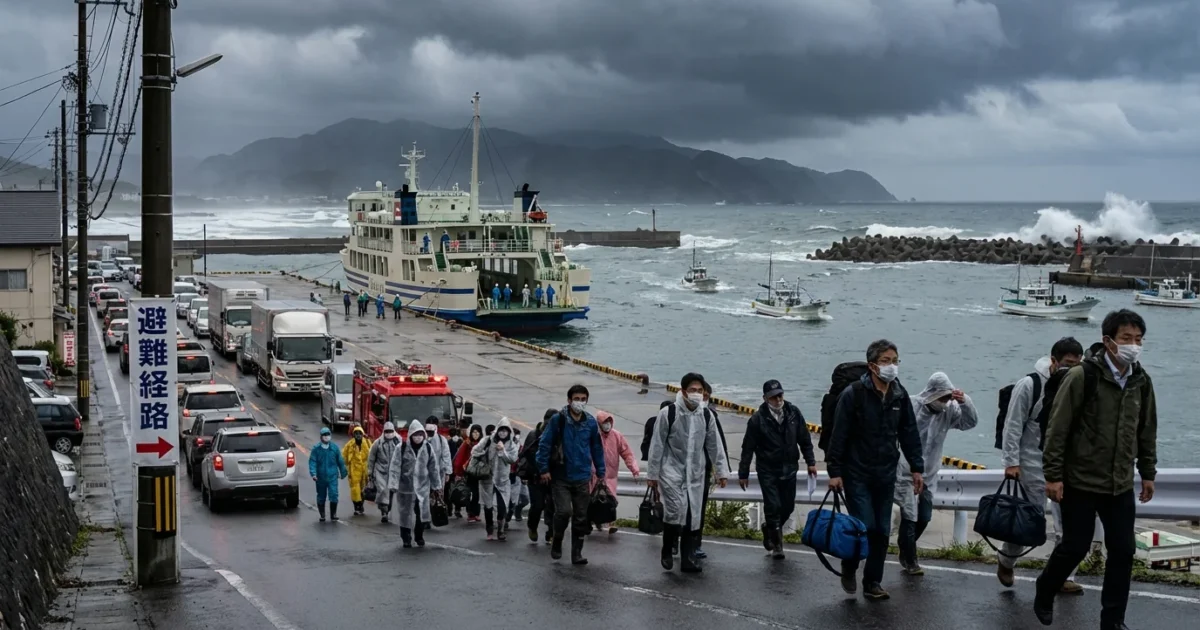
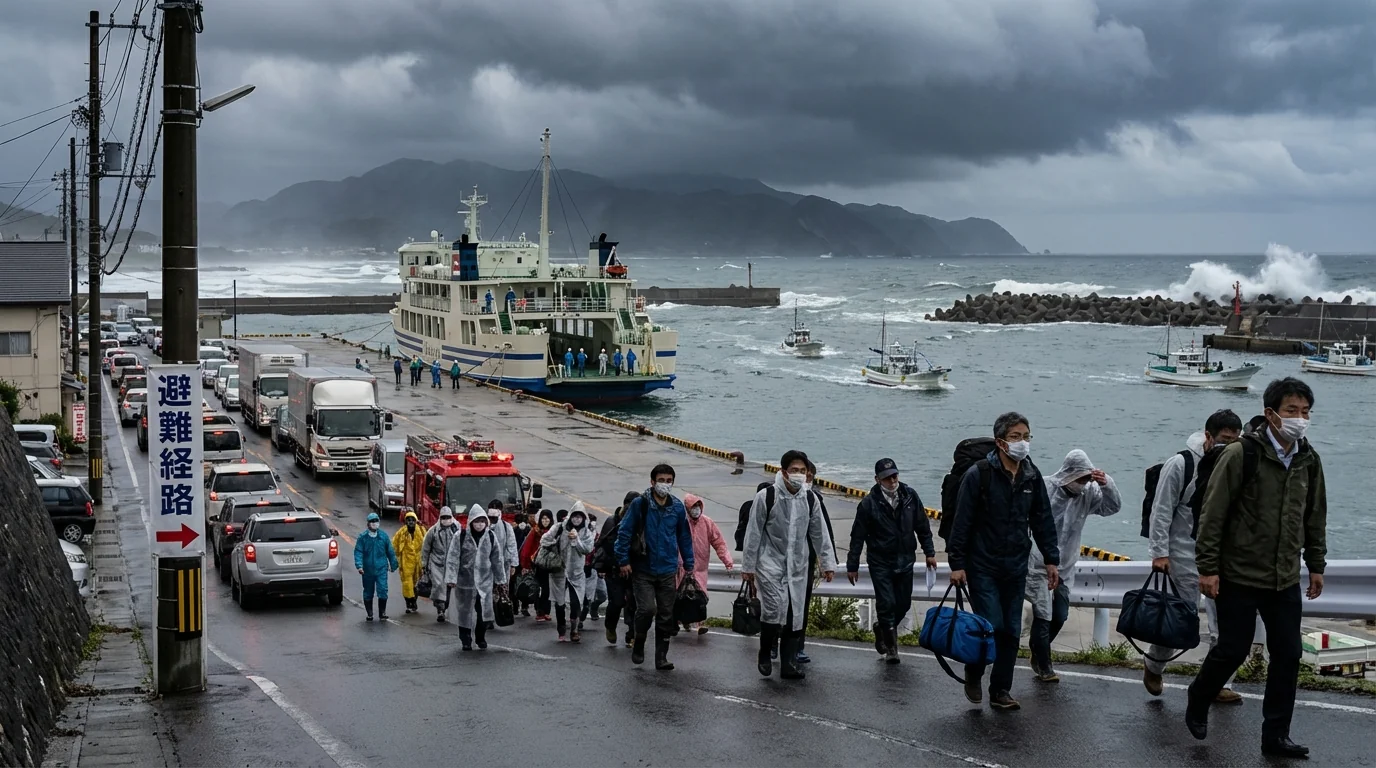
Trains are slowing or stopping across the region. Ports have paused operations, and boats are clearing harbors. Coastal roads are clogging as evacuees head uphill. If you are near a river mouth, leave at once. Tsunami waves can run inland along rivers faster than traffic.
Why the tsunami warning matters
The shape of the coast can amplify waves. The Sanriku coastline is famous for winding inlets that trap and raise water levels. A half meter at sea can become two or three meters in a bay. The tide matters too. A high tide plus a tsunami can push water past seawalls and into streets.
Sea levels around Japan have risen several centimeters in recent decades. That small rise leaves less freeboard on seawalls and harbor walls. It also lets waves reach farther inland. Add winter winds, which are gusty today, and spray and debris can travel even farther.
It is early December in Hokkaido. Air is cold, and snow showers are forming in spots. That makes evacuations harder and increases the risk of hypothermia in shelters. Emergency teams are balancing water risk with winter weather risk. Keep warm clothing dry and close.
Aftershocks are likely. Some can be strong. Landslides and snow slides are possible on steep, saturated slopes. Cliffs along the coast can fail after long shaking.
Stay off beaches, piers, breakwaters, and riverbanks. The first wave is not always the largest. Waves arrive in sets for hours.
Government response and what to do
Authorities have issued a tsunami warning and evacuation orders for exposed coasts. Move inland and uphill. If you cannot, move to the third floor or higher of a reinforced building. Avoid bridges, tunnels, and low underpasses near water. Do not return to the coast until an official all clear is given.
Shelters are opening in schools and community centers. Heating is a priority due to the cold. Bring masks, water, and chargers if you can. Keep your phone in power-saving mode. Check on neighbors who may need help, especially seniors.
- Quick steps now: grab your go-bag, lock gas if safe, head to your preplanned route
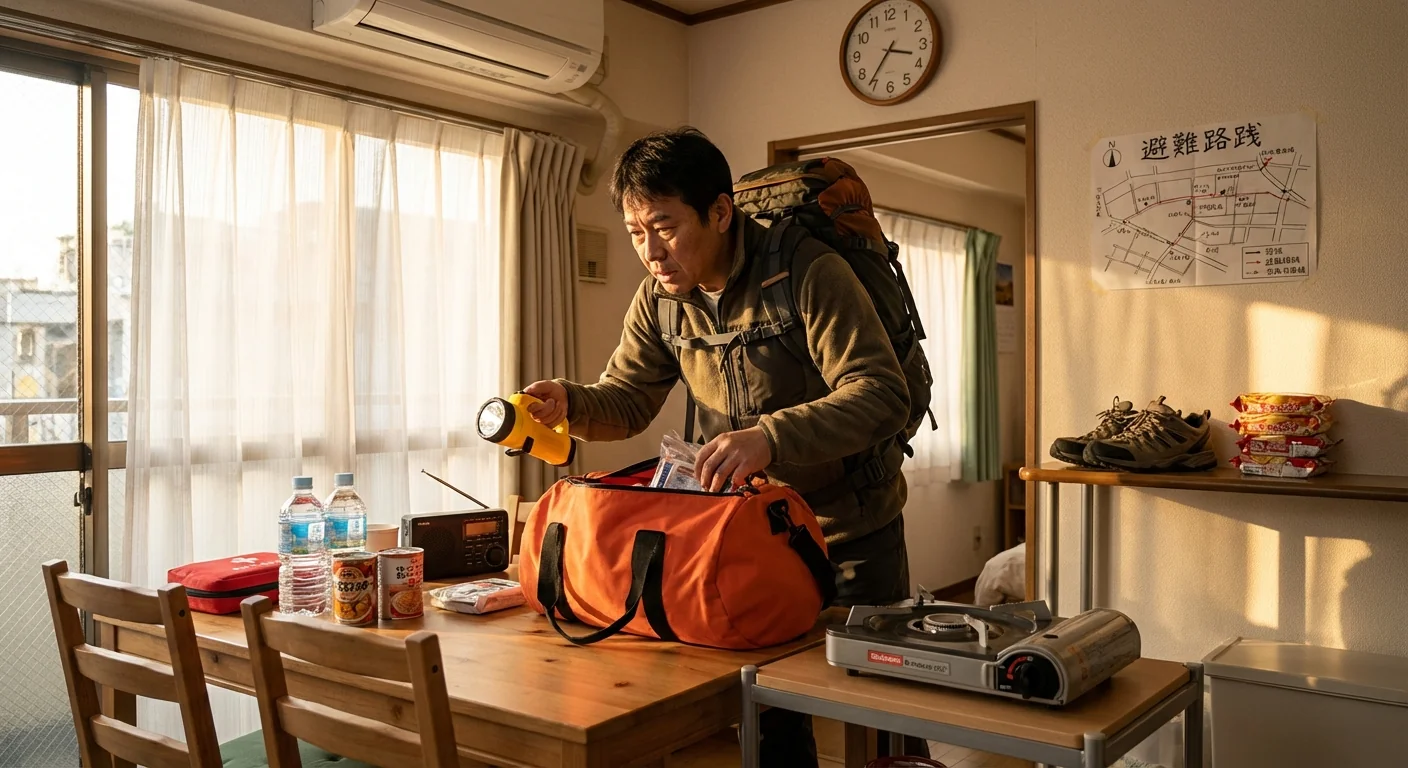
Keep a small kit ready year-round. Include water, snacks, a flashlight, spare batteries, a power bank, meds, and a warm layer.
Science and context
Japan sits where the Pacific Plate dives beneath the plate that carries northern Honshu and Hokkaido. That subduction zone loads stress into the crust. It releases in bursts, which we feel as quakes. Offshore events can shove the seafloor up or down. That motion displaces water, which becomes a tsunami.
Magnitude estimates change because networks process data at different speeds and use different models. The number can go up or down. What matters for safety is the local water level and the official coastal alerts. Gauges on the seafloor and along the coast will refine risk in the next hour.
Japan’s building codes, warning systems, and drills save lives. Even so, small differences in tide, coastal shape, and sea level can change outcomes street by street. Nature-based buffers, like dunes and wetlands, can help absorb energy. So can smart seawalls, raised roads, and higher critical equipment. Microgrids and battery-backed solar can keep shelters powered when the grid trips. These investments reduce risk from quakes, tsunamis, and storms alike.
This is not a climate-caused quake. Yet rising seas and harsher coastal storms raise the damage line. Preparedness is climate action here. Strong codes, clear routes, and healthy coasts work together.