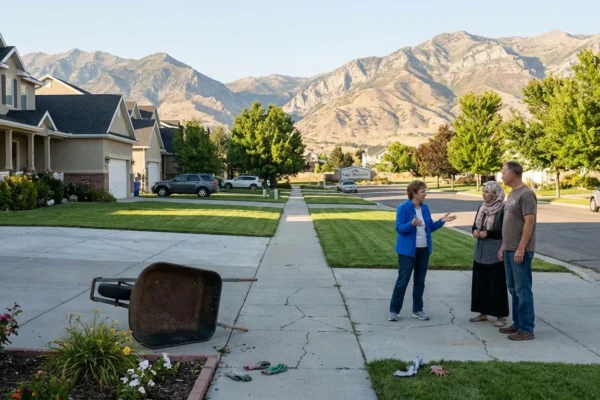
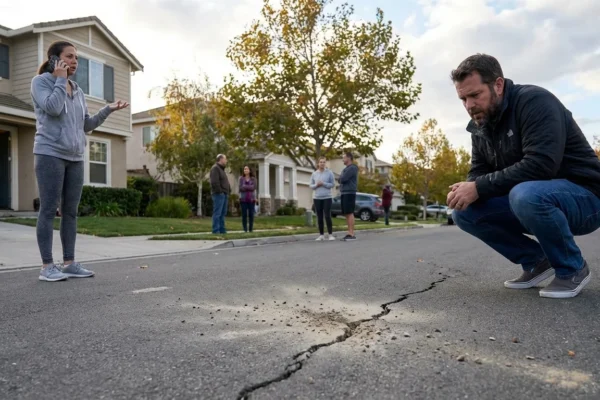
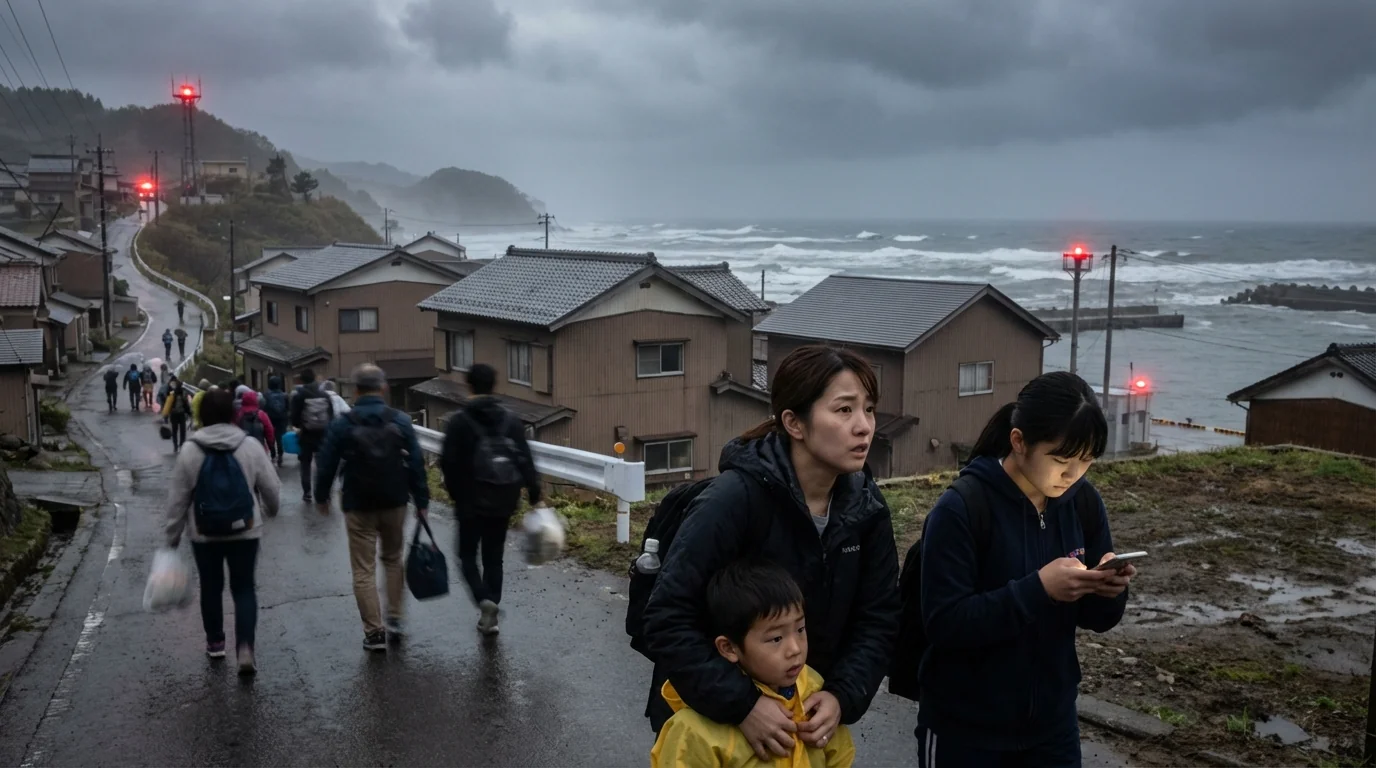
A major offshore earthquake has struck northern Japan tonight, and the ocean is in motion. At 23:15 JST, a powerful quake hit near Aomori Prefecture in the Sanriku region. I can confirm the initial magnitude, 7.2, has been revised to 7.6. Tsunami warnings are active for parts of Japan’s northeast coast. Trains are halted, coastal towns are moving uphill, and sirens have sounded across low-lying zones.
What is happening now
The Japan Meteorological Agency warned of tsunami waves that could reach about 3 meters in some areas. The Pacific Tsunami Warning Center alerted regions within about 1,000 kilometers of the epicenter. Coastal communities in Aomori, Iwate, and Hokkaido activated emergency plans. The Tohoku Shinkansen is suspended while tracks and power lines are inspected.
Seismometers show a thrust fault beneath the ocean floor. That type of rupture lifts the seabed and displaces water. It is the classic setup for a tsunami, especially along the steep, indented Sanriku coast. The shaking was short and sharp in many places, which fits a powerful offshore break.
Tsunami currents can arrive in pulses for hours. Stay off beaches, ports, and river mouths until authorities lift all alerts. 🌊
Aftershocks are likely through the night and into the week. Some may be strong. Structures already stressed by the main shock can be damaged further.
Why this coast is high risk
Japan straddles the boundary of huge tectonic plates. The Pacific Plate dives beneath the island arc along the Japan Trench. When locked sections of the plate boundary snap, they push water upward and send waves racing toward shore. The Sanriku coastline, with its narrow bays, can amplify incoming waves.
Since 2011, seawalls have been raised and warning times improved. Drills are better, and evacuation routes are marked. These measures save lives. Still, no wall is perfect. Even a one meter wave can knock you off your feet and flood ground floors.
Sea level rise adds to the challenge. A few extra centimeters mean the same wave runs farther inland. High tides make that worse. Tonight’s cold air also raises risk for evacuees, especially the elderly, children, and those without warm gear.
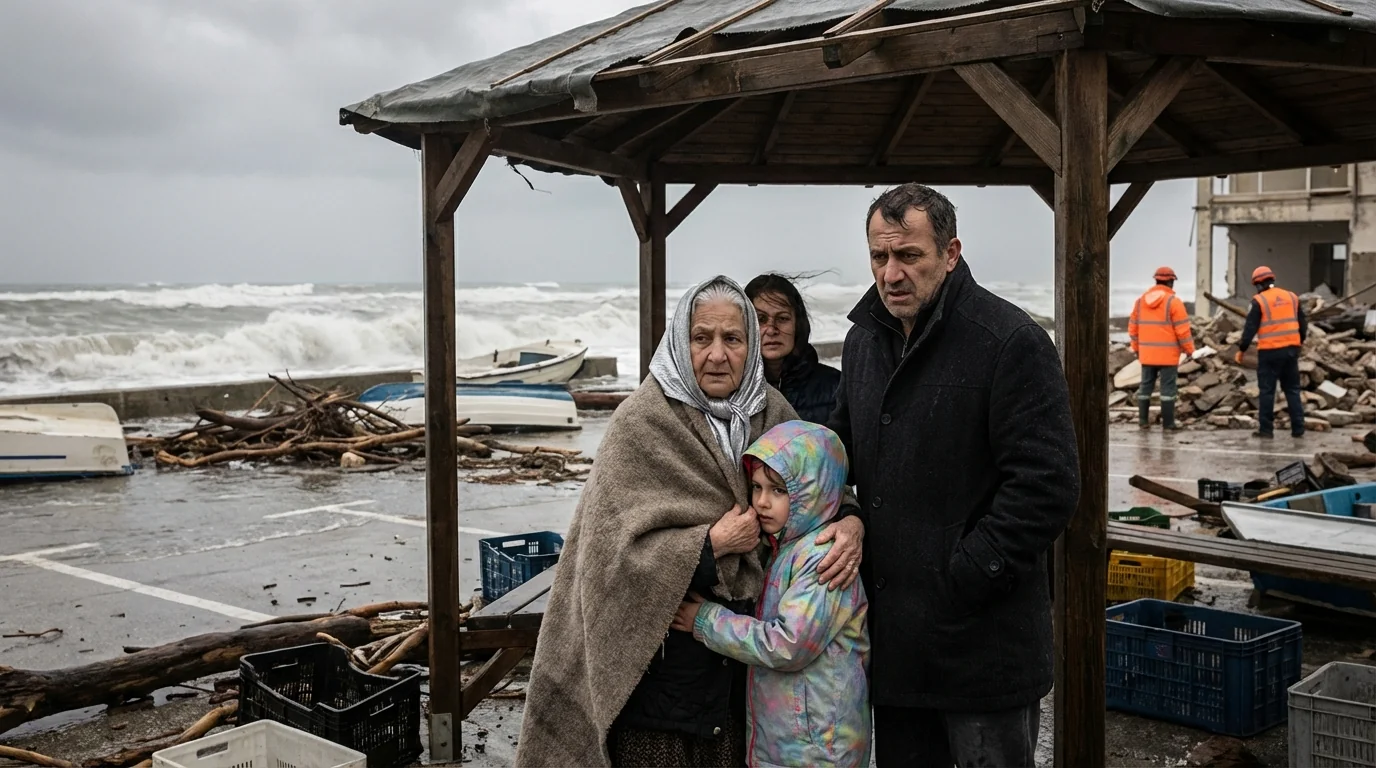
Aftershocks can continue for weeks. Treat damaged buildings, steep slopes, and waterfronts as hazard zones until cleared by officials.
What you should do now
If you are on the coast and felt strong shaking, or if a tsunami warning is in effect, move uphill fast. Do not wait for official confirmation at sea level. If you are inland, expect aftershocks and check for hazards at home.
- If near the coast, go to high ground or a tsunami shelter immediately.
- Stay away from beaches, seawalls, piers, and rivers until all warnings end.
- During shaking, drop, cover, and hold on. Protect your head and neck.
- After shaking stops, check gas, water, and power. If you smell gas, turn it off and leave.
- Keep phones for emergencies. Use texts, not calls, to reduce network load.
Keep a small go bag ready, water, snacks, a flashlight 🔦, meds, a battery bank, and warm layers.
Science, weather, and preparedness
Large quakes of this style often produce many aftershocks. The biggest aftershock usually arrives within the first few days. Landslides are possible on steep or saturated slopes, especially after recent rain. Cold December air can increase hypothermia risk for those outdoors. Community centers and schools often open as warming shelters in events like this.
Earthquakes are driven by plate tectonics, not by climate change. But climate change shapes the impact. Rising seas increase baseline water levels, which boosts tsunami reach and flood depth. Coastal ecosystems like dunes, reefs, and wetlands can blunt waves and currents. Restoring them adds a natural buffer, and it supports fisheries and biodiversity. Strong building codes, microgrids, and elevating key equipment also cut both risk and recovery time, with a lower carbon footprint.