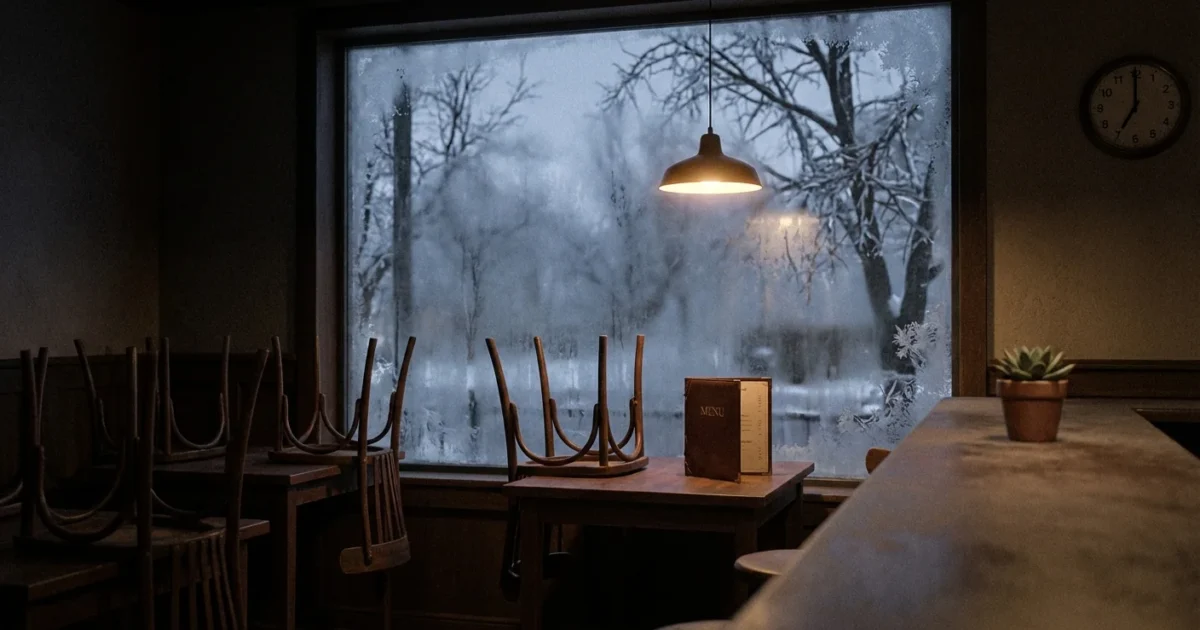
Restaurants across metro Atlanta are going dark as a dangerous ice storm moves in. I am confirming widespread closures and reduced hours from Midtown to the northern suburbs. Operators made the call early, citing black ice, falling branches, and power risks. With an Ice Storm Warning in effect and frigid air settling in after the precipitation, this shutdown will not be brief.
Ice locks down Atlanta dining
Freezing rain is already glazing roads and sidewalks. That thin, clear coating is the most dangerous kind of ice. It hides in the shadows, at intersections, and on bridges. Even short drives for staff or delivery are risky today. Many restaurateurs told me they will not put teams on the road until conditions improve.
The science is simple. A shallow layer of cold air near the ground is undercutting warmer air aloft. Rain falls through, then freezes on contact with surfaces. With temperatures dropping behind the storm, the ice will harden. Tree limbs will shed ice late, which means hazards will persist into the night and early morning.
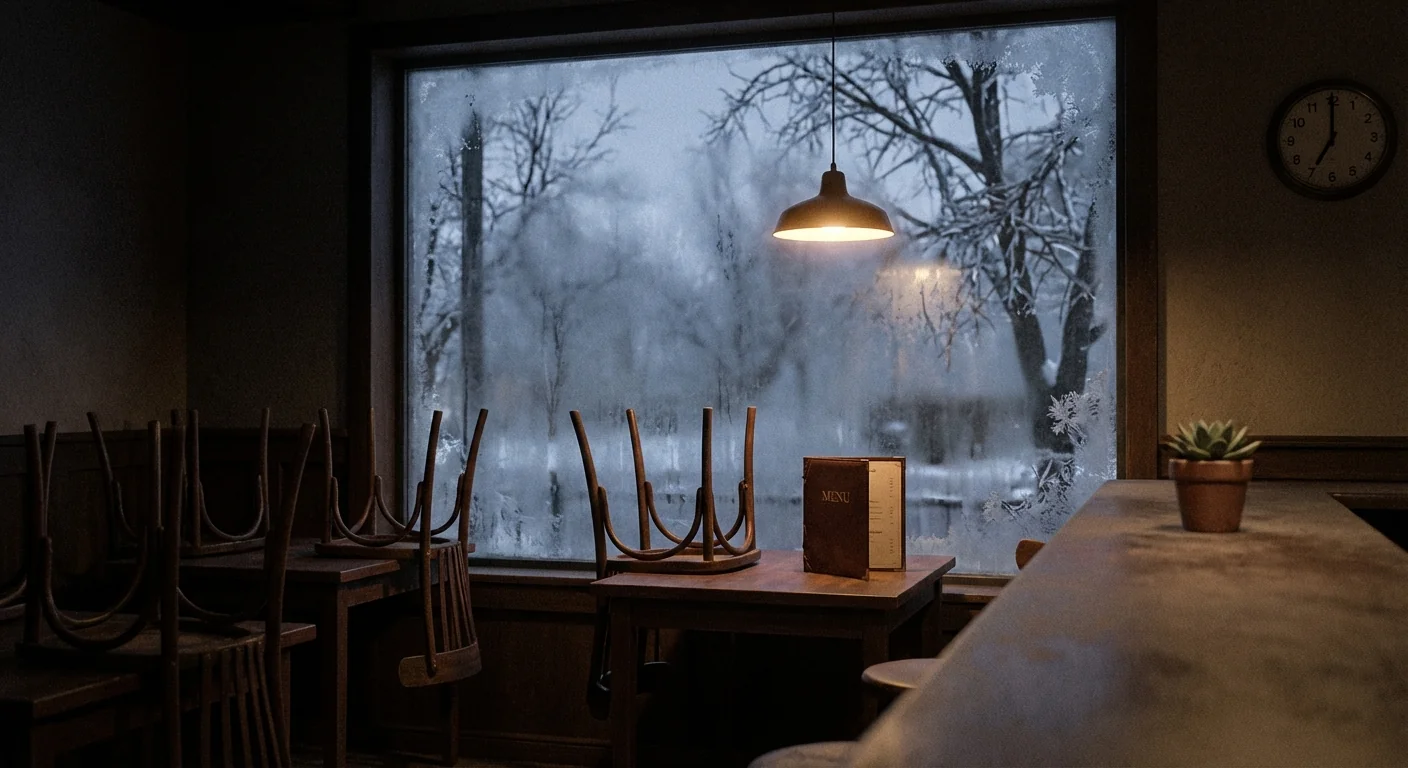
School districts have already canceled in-person classes or shifted online. That is a clear signal for the wider economy, including restaurants. Dining rooms that stayed open for breakfast are closing by afternoon. Most kitchens plan to stay dark through the evening peak.
Black ice forms fastest on bridges, hills, and shaded streets. Downed lines can be live. Do not approach. Call it in and stay clear.
Why this storm is different
The Southeast is warming, but winter is not gone. A warmer atmosphere holds more moisture. When Arctic air slips south and meets that wet Gulf flow, the result can be heavier freezing rain. Events like today are a reminder of how climate change loads the dice. Fewer cold days on average, but more volatile swings. That volatility pushes the grid, delivery networks, and small businesses to the edge.
Ice storms are especially punishing for restaurants. Power flickers can spoil inventory. Staff safety comes first, so managers must shut down early. Older buildings lose heat faster, which can burst pipes once temps plunge overnight. The costs stack up, even from a single day.
What diners should expect today
Expect fewer hours, longer prep times, and limited menus where doors are open. Delivery services are being scaled back. Drivers will be pulled once icing worsens, which could happen quickly this afternoon. Curbside pickup windows are narrow and may close with little notice.
- Check a restaurant’s website or feed before you go.
- Assume cashless, low-contact service if they are open.
- Be patient with limited staffing and slower lines.
- Tip well if you do venture out safely.
If you must travel, go early in daylight, keep it short, and stick to main roads. Better yet, delay plans until tomorrow afternoon once crews treat priority routes.
Inside operator decisions
How do owners decide when to close? They look at three things. First, road ice timing and temperature trends. The freezing line is sinking south and will hold into Tuesday morning. Second, tree and power risks. Ice loading increases as totals rise, which threatens lines and walk-in coolers. Third, staffing and transit access. If buses or trains reduce service, restaurants cannot safely operate.
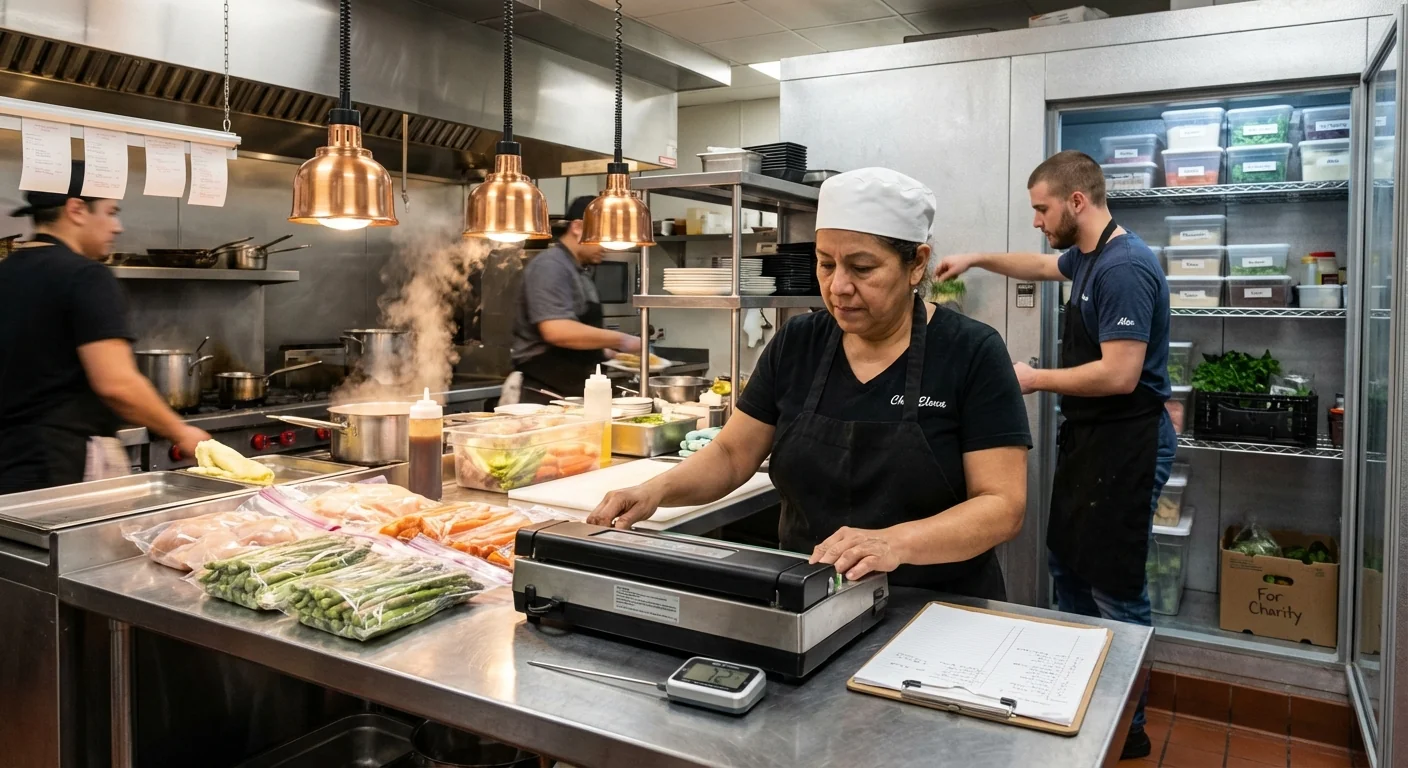
Many kitchens are moving quickly to cut waste. Chefs are cooling and sealing cooked items. Freezers are reorganized to hold priority proteins in tight packs. If power goes out, that buys time. Some operators are arranging donations of perishables to shelters today, a fast way to avoid spoilage and help neighbors.
Supply chains are also slowing. Ice on interstates will delay bread, produce, and dairy. Morning deliveries missed today will push into tomorrow. Expect short menus midweek as suppliers catch up.
Power, resilience, and the road ahead
Ice storms test resilience in real time. Backup generators keep critical refrigeration on, but fuel can be scarce. Efficient equipment helps. So do tight building envelopes that hold heat and reduce pipe breaks. Many small restaurants have invested in these upgrades after recent extremes. It is a sustainability story with a business edge. Energy efficiency cuts costs on normal days and protects inventory during weather shocks.
City crews are pretreating major roads, but secondary streets will stay slick. Sidewalks in front of restaurants are icy and uneven. Owners are spreading melt and posting signs, but they cannot erase the hazard. The safest service tonight will be no service.
When the sun returns, expect a slow thaw. Shaded spots will stay icy until late Tuesday. That means a staggered reopening, with breakfast still limited and lunch more likely. Operators will communicate morning decisions as they reassess parking lots, pipes, and power status.
The bottom line
This is a safety-first shutdown, and it is the right call. The ice storm striking Atlanta is the kind that sneaks in quiet, then locks the city in place. Restaurants are closing to protect staff and guests, to save food, and to be ready for a careful restart once roads improve. Warm up at home, check your favorite spots for updates, and give them grace when they return. Nights like this show how weather and climate shape the way we eat, and how smart preparation keeps a city’s kitchens resilient. ❄️