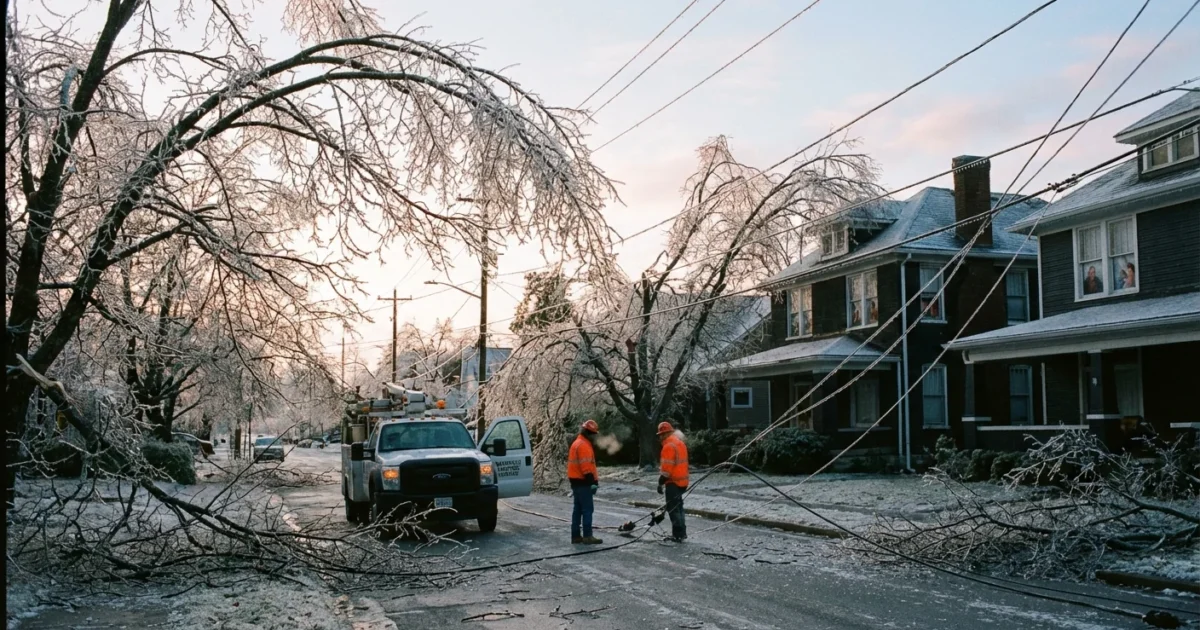
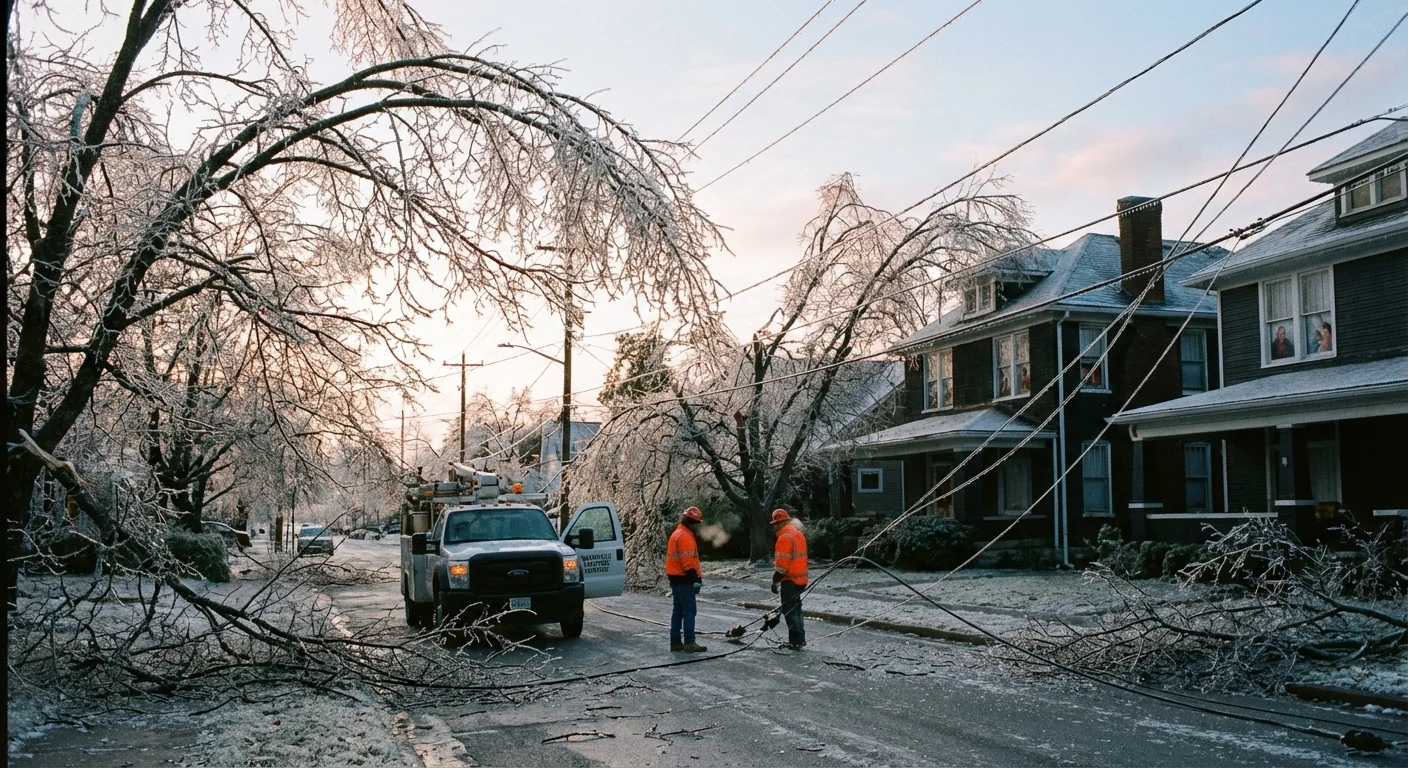
Nashville wakes to ice, silence, and darkness. A thick glaze turned branches into glass overnight, then snapped them like twigs. Neighborhood after neighborhood lost power as lines sagged and fell. Nearly 200,000 customers in Davidson County remain without electricity this morning. Crews are fanning out, but repairs will take time. The storm left both beauty and deep disruption in its path.
What failed, and why the lights are still out
Freezing rain is unforgiving. It does not drift like snow. It grips. Ice loads trees first, then wires. The weight grows fast, even with a small buildup. Limbs break, poles crack, and transformers trip to protect the grid. That is the chain reaction we saw across Nashville overnight.
Restoration is complex in ice conditions. Lines must be de-energized. Trees cleared. Spans rebuilt piece by piece. Some streets are still blocked, which slows bucket trucks and tree crews. Hospitals and critical facilities get priority. After that, utilities move from feeders to laterals, from the largest outages to the smallest. Many homes will not see power until damaged backyard lines are replaced.
Assume every downed line is live. Stay at least 30 feet away. Call it in, then keep others clear.
Weather pattern behind the hit
This was a classic Southern ice setup. Warm, moist air rode in above a shallow pool of Arctic air at the surface. Rain fell through that warm layer, then froze on contact with the cold ground, trees, and metal. With temperatures hovering near freezing, each drop added a glaze. Hours of steady freezing rain created a heavy, even coat.
A rare but growing risk
Winters in Tennessee are warming overall. That makes big snow less common. Yet it can also increase the chance of ice storms. Warmer air holds more moisture, which means stronger winter rain events. When a brief surface cold snap drops in, that moisture can fall as freezing rain. There is also growing evidence of a wavier jet stream. That can swing cold air south more often, then pull Gulf moisture over it. The result, more setups that favor ice instead of snow.
Streets, services, and a moment of levity
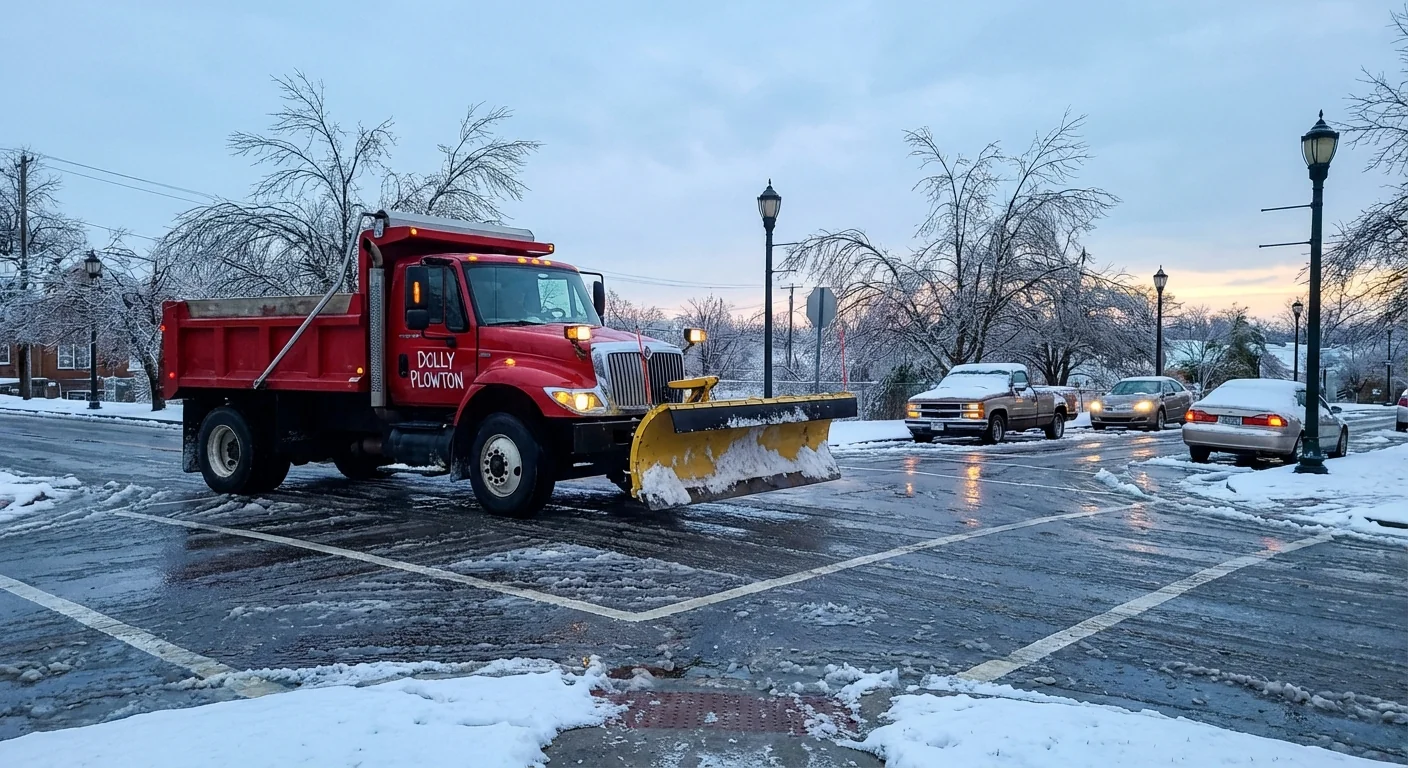
Travel is treacherous. Black ice hides on shaded roads and bridges. Intersections without power are four-way stops, but not everyone remembers. City plows and salt crews worked through the night. The newest plow on the roster, nicknamed Dolly Plowton, made its debut and brought smiles on a hard morning. That light moment matters. Morale helps when the grind is long.
Water systems are stable, but slow leaks could rise if pipes freeze in unheated homes. Cell service is holding up now, yet some towers rely on backup generators. Those need fuel. Expect spotty signals in harder hit pockets until power returns.
If you are without heat, gather in one room, wear layers, and block drafts with towels. Never use grills or generators indoors.
The human toll, and how we build back smarter
Outages mean more than dark rooms. They cut heat to seniors, food to low income families, and hours from workers who cannot log in. Shelters and warming centers are opening across the city. Neighbors are sharing chargers and extra blankets. This is the community at its best. Still, we can reduce this pain next time.
Here is what would help Nashville face the next ice storm with fewer lights out:
- Harden key lines with ice rated hardware and taller, stronger poles
- Expand aggressive tree trimming and plant the right species under wires
- Bury targeted circuits in dense corridors and near critical services
- Grow local microgrids with solar and batteries to island clinics and shelters
- Weatherize homes, which keeps heat in when power is scarce
These are not abstract ideas. They are practical steps. Many cities across the South are already doing them. They save money over time, because every avoided outage is a win for health and business.
The next 48 hours
Expect a staggered restoration. Big feeder lines will come back first, lighting up hundreds at a time. Damage to individual service drops will be last. Ice will linger on north facing trees today. As sun returns, sheets of ice may fall from roofs and branches. Give crews room to work. Check on neighbors who rely on medical devices. If you have power, charge extra battery packs for those who do not.
Carbon monoxide is silent and deadly. Keep generators 20 feet from doors and windows. Install a CO alarm if you can.
Conclusion
Today’s storm reminds us that winter in a warming world is messy. Less snow does not mean less risk. It means new risks. Nashville can honor the beauty of a glass coated city, and still demand a grid that holds in the cold. Crews are out. Progress will come circuit by circuit. When the lights blink back on, let us use that moment to plan for resilience, so the next ice storm steals less from our lives. A safer, steadier winter is possible, by design, not by luck.