BREAKING: Ice storm slams North Carolina, widespread power outages and dangerous roads
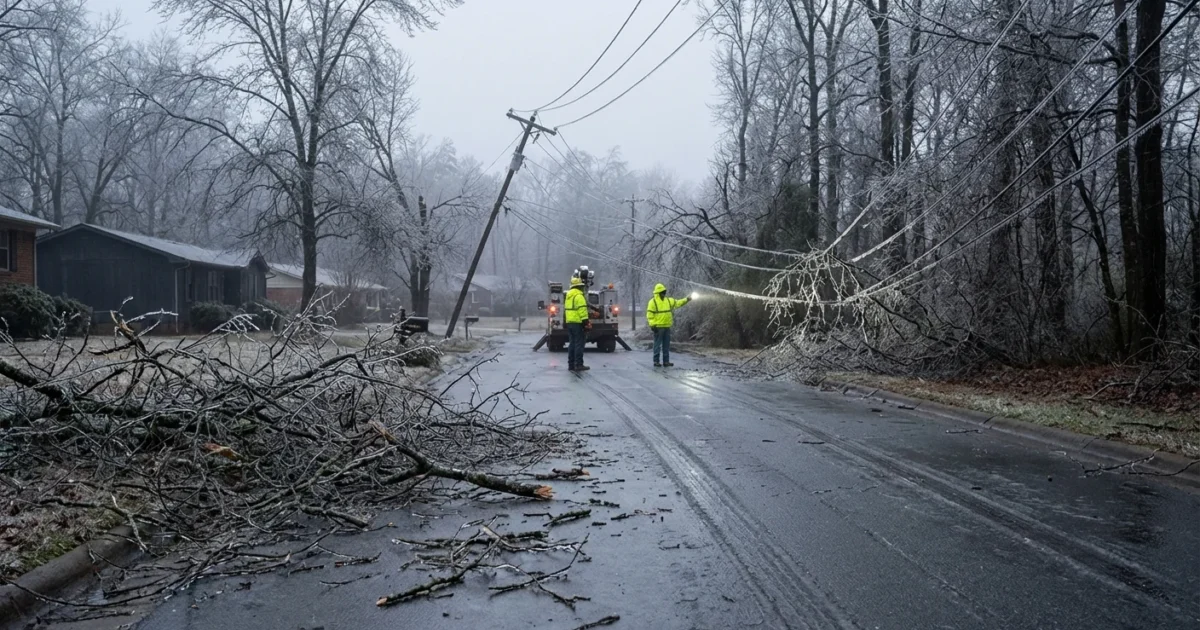
An intense band of freezing rain is glazing North Carolina this morning. Power lines are snapping. Trees are cracking. Roads are slick and unpredictable. From the Charlotte metro to foothill towns, outages are spreading as fresh ice loads keep building on branches and wires. Travel is hazardous and, in many spots, blocked. I am tracking crews, grid conditions, and road treatments across the state in real time.
What is happening on the ground
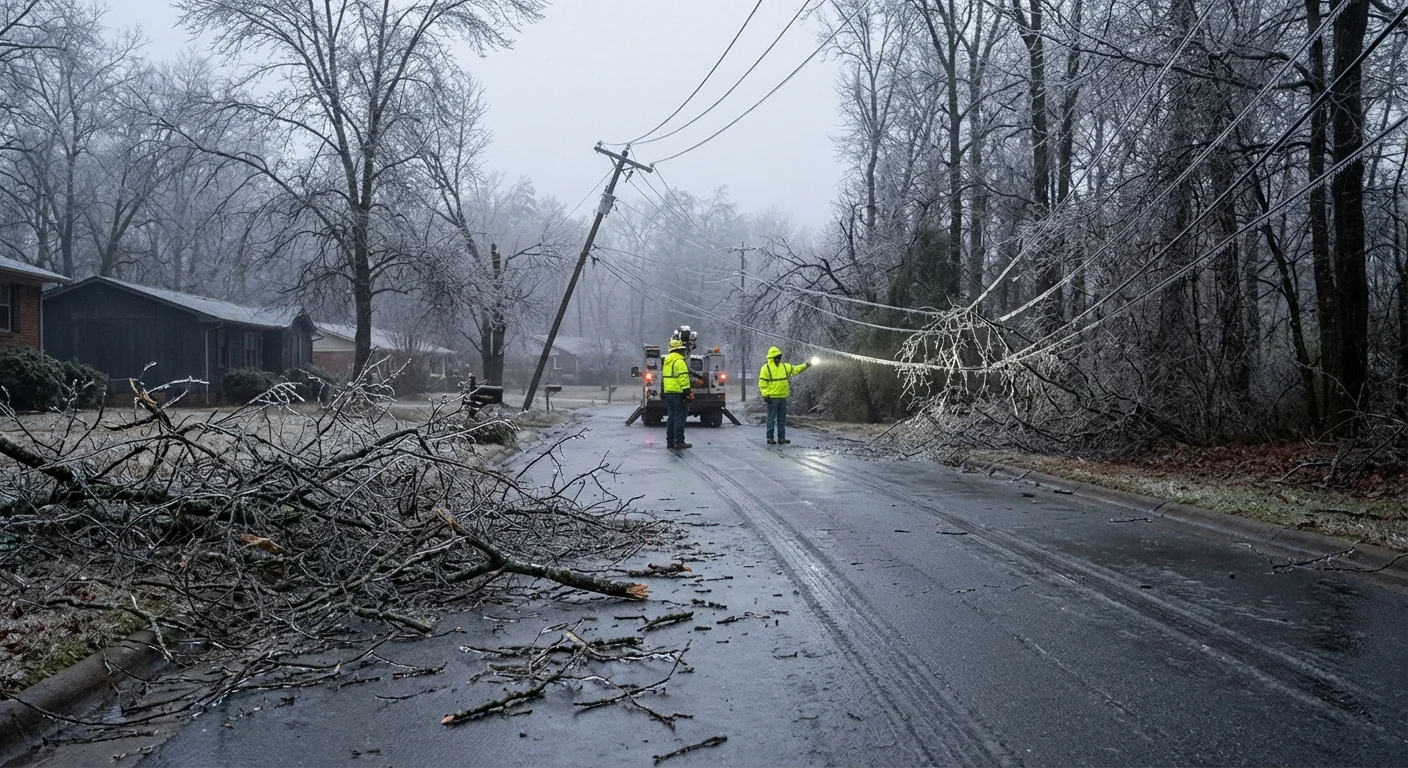
Ice is the most damaging winter hazard for our grid. It turns light wind into a force multiplier. A quarter inch of glaze can add hundreds of pounds to a single span of line. We are seeing that now. Limbs are dropping onto feeders. Conductors are sagging and failing. Suburban streets are dark and quiet except for the crack of ice-laden trees.
State road teams are in full response. More than 200 plows are working interstates and major routes, spreading salt and clearing downed debris. The work is slow. Freezing rain keeps rebuilding the glaze, and meltwater refreezes behind the crews. Utilities have staged repair teams and tree cutters at key junctions. They are moving methodically, restoring critical circuits to hospitals, water systems, and warming centers first. Neighborhood lines will follow as hazards clear.
Treat every downed wire as live. Stay back at least two power pole lengths. Call 911 and your utility.
Why this storm turned to ice
This setup is classic for our region. Cold air pooled at the surface overnight, trapped against the Piedmont and foothills. A shallow layer of subfreezing air sat near the ground, while a warmer layer aloft carried liquid rain. Drops fell through the warm layer, then supercooled in the shallow cold layer, freezing on contact with roads, trees, and lines.
Climate science shows winters in the Southeast are warming overall. That does not mean fewer ice risks. Warmer air holds more moisture, which can feed heavier precipitation. When surface temperatures hover near freezing, that extra moisture can arrive as damaging ice instead of snow. More marginal cold days, paired with wetter systems, raise the odds of high-impact icing events like this one.
Roads and power crews, hour by hour
Highways remain treacherous. Treated lanes can look wet but are actually black ice. Exit ramps, bridges, and shaded stretches are worst. Plow operators are cycling salt and sand, focusing on interstates, major arteries, and emergency routes. Secondary roads will take longer. Expect sudden closures around fallen trees and utility work zones.
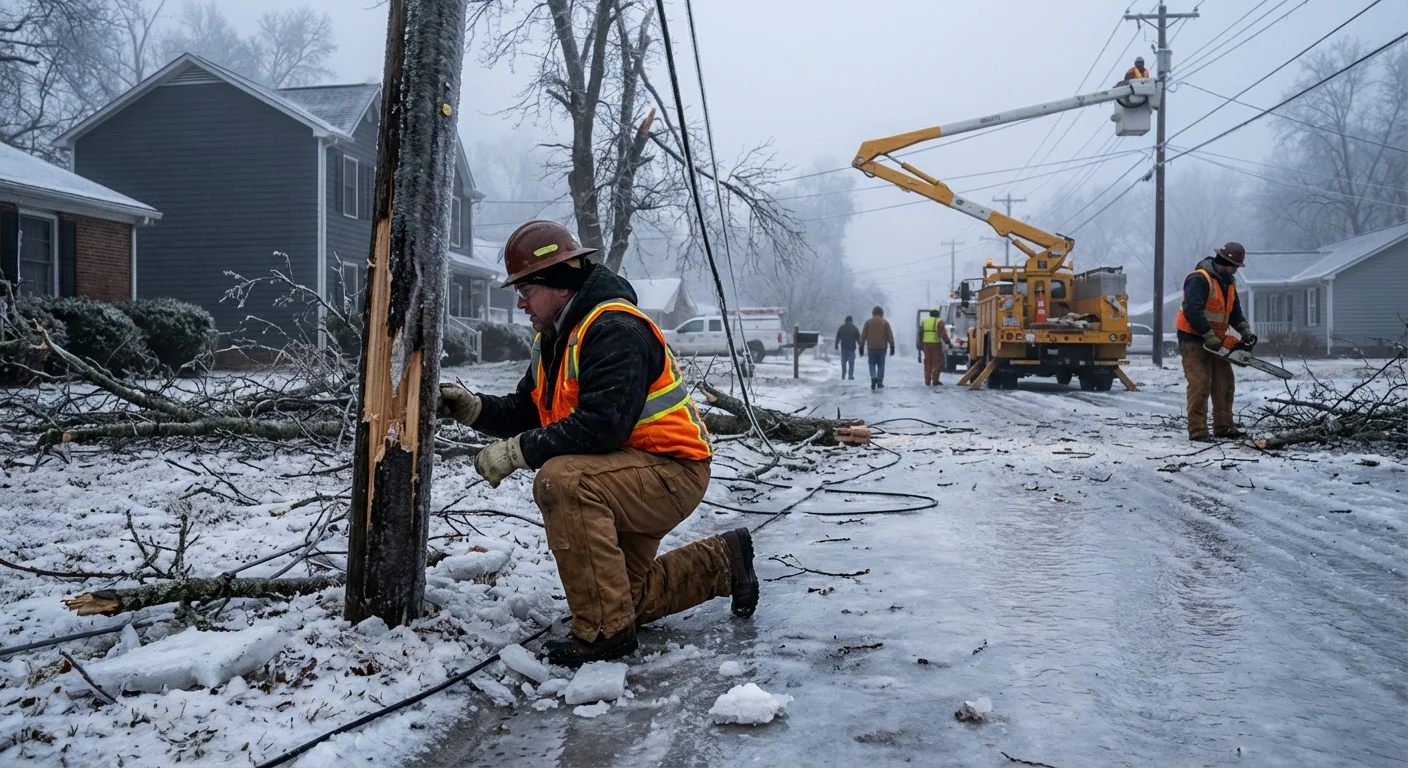
On the grid, restoration follows a simple logic. Repair the backbone first, then the branches. Transmission issues and substations come before neighborhood taps. Tree crews must clear hazards before line workers can rehang wire. In many neighborhoods, the limiting factor is not trucks, it is safety window and access. The pace will improve once the freezing rain shifts to lighter showers or ends.
If you rely on medical devices, contact your utility now to flag your account. Ask local officials about open warming centers.
How to stay safe and informed
Use official outage maps from your provider, such as Duke Energy and local electric co-ops, for local status. Those maps update as crews assess damage. If you do not see your address, it may still be in the queue. Report the outage anyway. Duplicate reports help confirm the size of each fault.
If you lose power
- Keep fridge and freezer closed to protect food for up to 24 to 48 hours.
- Charge phones in your car only outdoors, and never run a car in a garage.
- Use flashlights, not candles, to reduce fire risk.
- Check on neighbors, especially seniors and those with medical needs.
Run generators outside, 20 feet from doors and windows. Carbon monoxide is odorless and deadly.
If you must travel
Only drive if you must. Clear all windows, go slow, and leave extra space. Watch for hidden ice under overpasses and on side streets. If you hit a closure, do not weave around cones. Crews need that space to work.
The path forward, and building resilience
The ice will break, but the lessons should stick. We can harden our grid with smarter tree management, modern conductors, and better pole standards. Undergrounding lines in the most outage-prone corridors can cut repeat failures, though it requires careful planning. Neighborhood solar plus battery storage can keep critical loads running when the wider grid fails. Microgrids at schools and community centers can power warming shelters with clean energy during storms.
Homes can be ready too. Weatherization keeps heat in and reduces strain on the grid. High efficiency heat pumps paired with backup power or storage provide steady heat without burning through fuel. City planners can expand street tree diversity and spacing to reduce limb failures, while still cooling neighborhoods in summer.
Ice storms test us. They also point to solutions that make us safer, cleaner, and more reliable year round. I will continue surveying outages, road conditions, and recovery progress as this system moves out. Stay put if you can, stay warm, and stay alert.