Houston is bracing for a sharp, dry jolt of winter tonight. A Freeze Warning is in effect for portions of southeast Texas, including the Houston area, through Monday morning. Temperatures will drop to near or below 32 degrees in colder pockets. Pipes, plants, and people are at risk. This cold snap is brief, but it is serious.
What is happening right now
Cold, dense Arctic air is sliding into the region. Skies are clear, and winds are light. That setup lets heat escape quickly, so low spots and open areas cool fastest. Outlying neighborhoods north and west of downtown will likely be the coldest. Downtown may stay a few degrees warmer, but frost is still likely on exposed surfaces.
A Freeze Warning means several hours at or below 32 degrees are possible. That is enough time to damage unprotected outdoor plumbing and sensitive vegetation. It can also be dangerous for anyone without adequate heat. Early risers should expect a hard chill around sunrise. Sun and a light breeze will help temperatures recover by late morning.
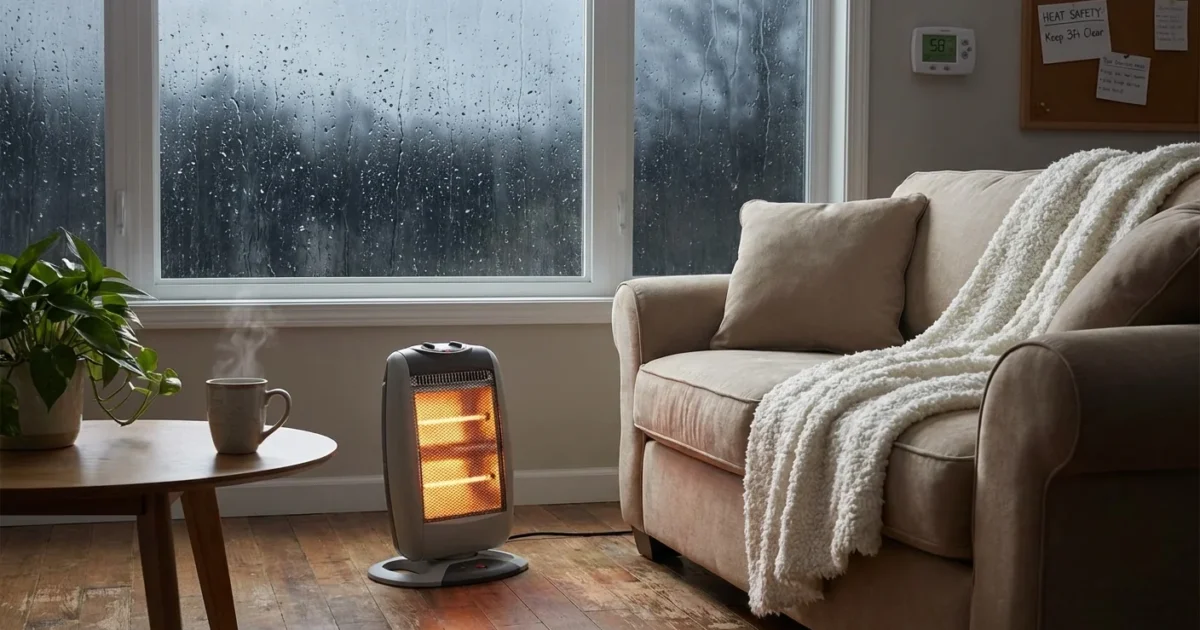
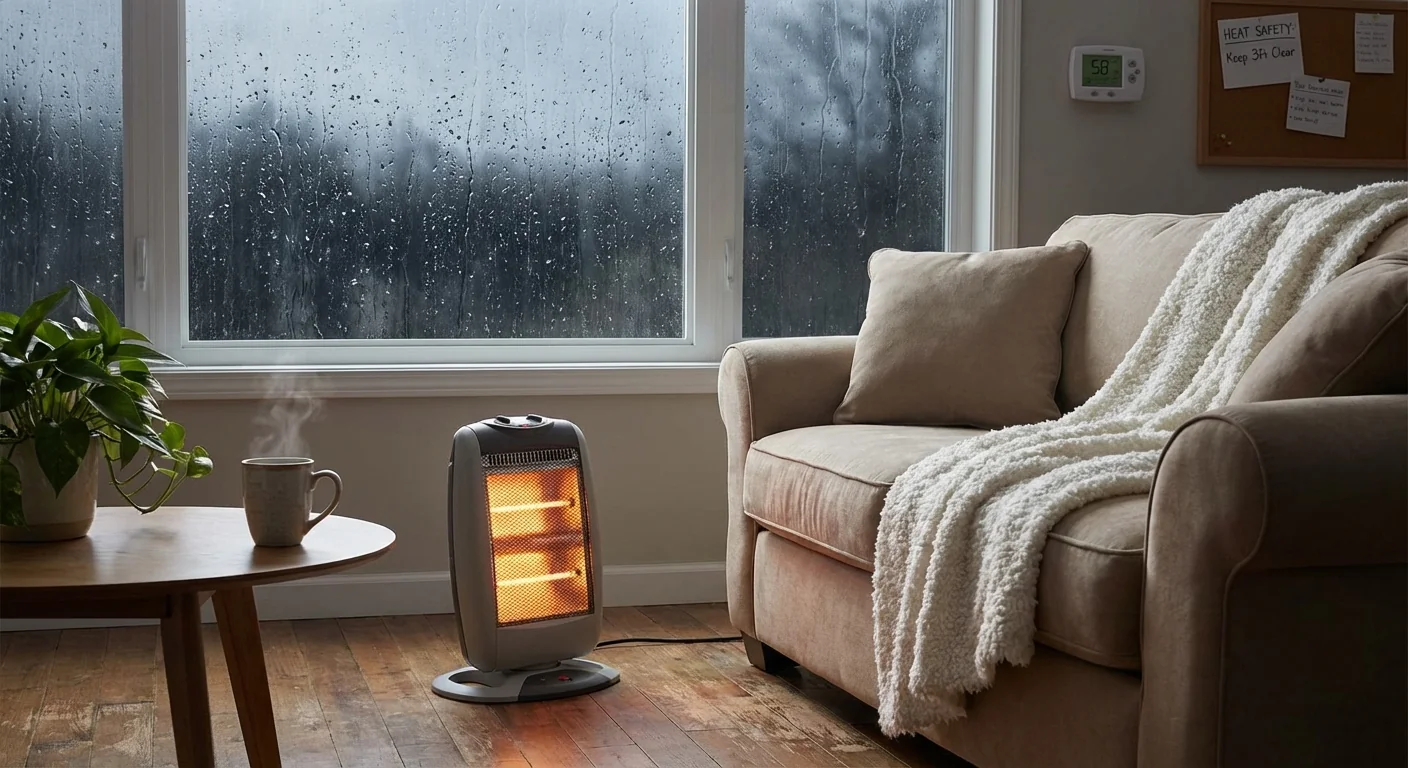
Protect people, pets, pipes, and plants tonight. Never use an oven or a grill to heat your home. If you use a space heater, keep it on a flat surface, three feet from anything that can burn.
Why this cold snap hit, and what it signals
This front is classic winter dynamics. The jet stream has dipped south, opening the door to a shallow shot of polar air. Gulf moisture is limited, so this is a dry cold. That means clear skies and fast overnight cooling, not ice.
Houston’s climate is warming over time, yet cold snaps still strike. A warmer background climate can load the dice for bigger swings. We feel it as weather whiplash, big swings from warm to cold. That stress tests our homes, our pipes, and our energy systems. Nights like this remind us that resilience matters in a warming world.
Protect your home, family, and pets
Most pipe breaks happen in exterior walls, garages, and attics. A few simple moves cut the risk.
- Drip indoor faucets on exterior walls, both hot and cold.
- Open kitchen and bathroom cabinets to let warm air reach pipes.
- Wrap exposed outdoor pipes and cover hose bibs.
- Set your thermostat to at least 68, and keep interior doors open for even heat.
Turn off and drain backflow preventers on sprinkler systems if you can. Bring in hoses. If you must drive early, check tires, battery, and windshield fluid. Keep a blanket and flashlight in the car.
Bring pets indoors tonight. Cover tender plants with cloth, not plastic, and secure the cover to the ground. Remove covers after temperatures climb above freezing in the morning. If you need to save energy without losing warmth, close curtains, block drafts with towels, and avoid using large appliances overnight.
Community response and how to help
Across the metro, community groups are checking on seniors, delivering blankets, and opening doors for those who need a warm place to sleep. If you or someone you know needs a warming center, call before you travel to confirm hours and capacity. If you want to help, donate clean blankets, socks, gloves, and winter clothing. Cash donations to trusted local nonprofits go far and move fast.
Key resources for tonight:
- 2-1-1 Texas, for the nearest warming center and to ask about transport options
- Houston 3-1-1, for city service updates and locations
- Harris County Office of Homeland Security and Emergency Management, for local alerts
- National Weather Service Houston Galveston, for the latest forecast and advisories
Check on neighbors who live alone. Knock, call, or text. A quick check can save a life. If you see someone unsheltered, call 2-1-1 to connect them with help.
The climate picture, and how Houston builds resilience
Winter is changing here. Average cold nights are fewer, but the strongest fronts can still be sharp. That means we need smarter homes and systems. Insulate attics and pipes. Seal drafts. Install weather stripping and smart thermostats. When it is time to replace equipment, consider high efficiency heat pumps. They heat well here and cool even better in summer.
Citywide, more tree canopy and native landscaping reduce wind, save energy, and protect water lines from temperature swings. Stronger building codes and targeted upgrades to water and power infrastructure will cut damage in future freezes. Preparedness is climate action, and it pays off on the next cold night and the next heat wave.