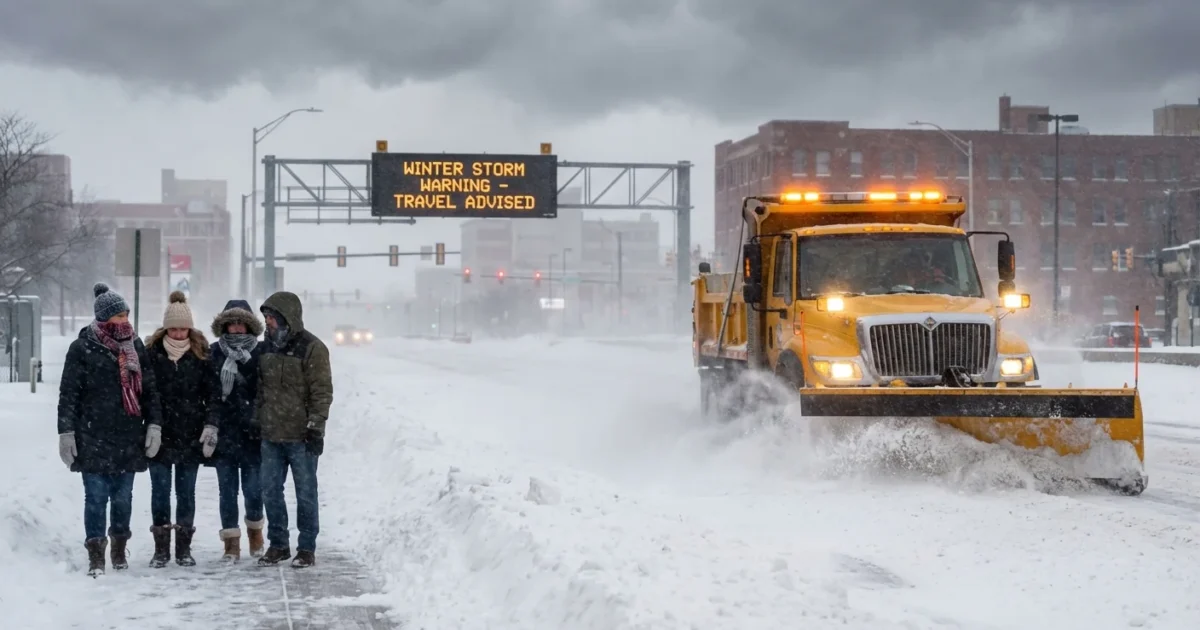
The snow has gone quiet in Indianapolis, but the danger has not. As of this hour, nearly half of Indiana is under county travel warnings, the state’s highest restriction level. Plows are working nonstop. Wind is reshaping roads by the minute. If you do not have to drive, do not. This is a live safety moment, not a drill.
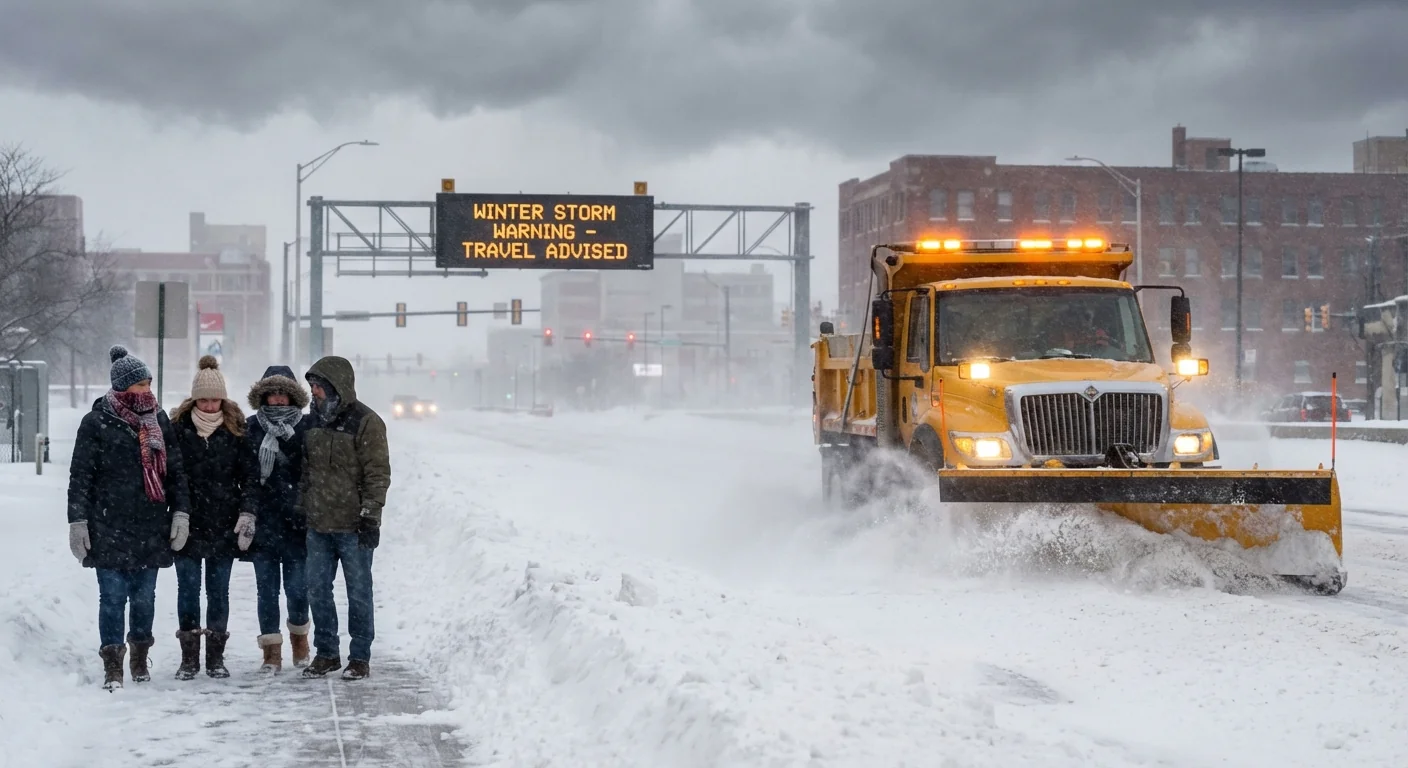
What Indiana’s travel advisory levels mean
Indiana uses a simple three-step system, and it matters right now.
- Advisory, use caution. Roads are slick, services may slow, but travel is allowed.
- Watch, essential travel only. Think work, medicine, or emergencies.
- Warning, refrain from all travel. Travel may be limited to emergency crews.
Counties can move up or down fast as crews gain or lose ground. A brief lull can hide new trouble. Drifting can close lanes again within an hour. Give roads time to recover.
If your county is at Warning, stay off the roads. You help crews by not becoming their next rescue.
Why roads are worse after the snow stops
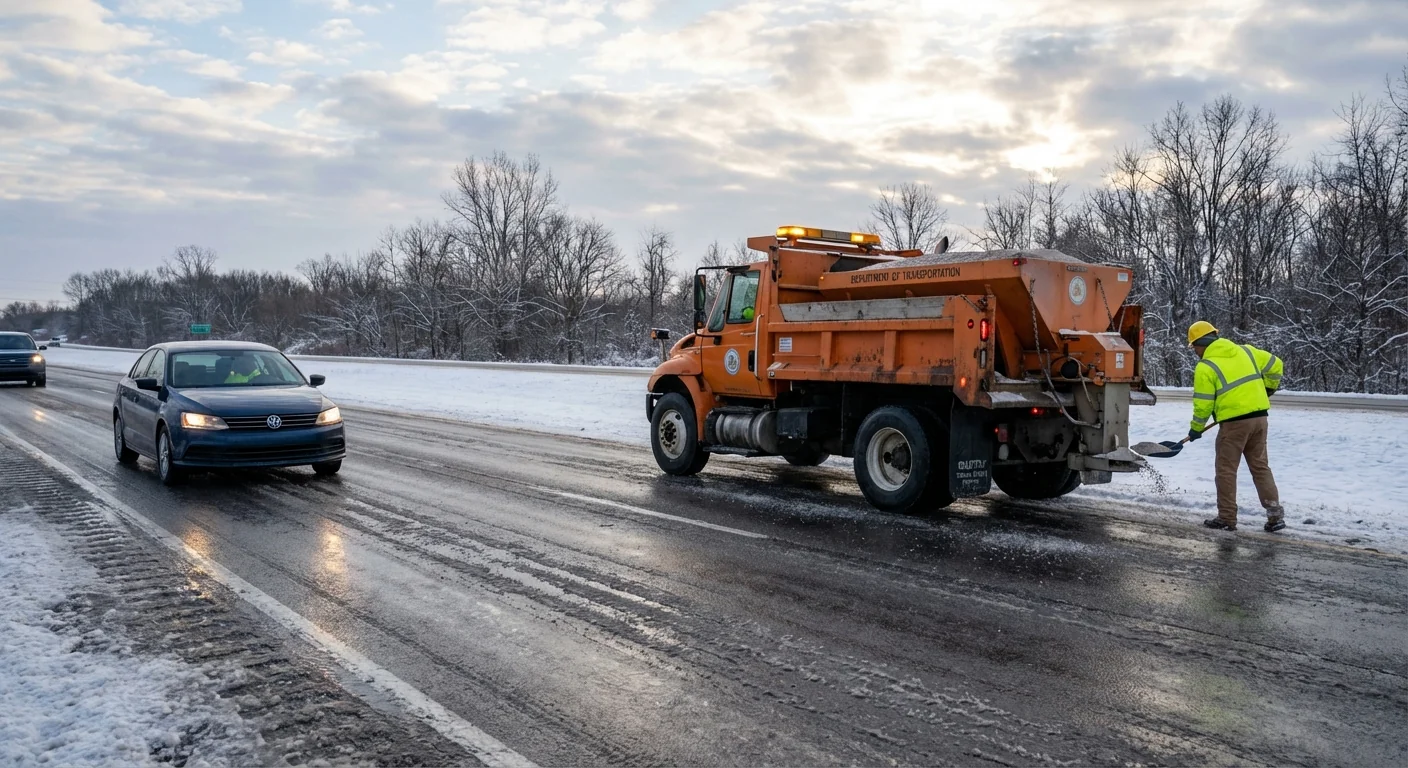
Storms end on radar before they end on pavement. Today’s cold is biting. Road salt loses power as temperatures fall. It works best near the mid 20s. It struggles near 15 and below. Meltwater refreezes into black ice, especially on bridges and ramps. Wind lifts powdery snow back onto cleared lanes. Plow berms harden. Visibility drops in sudden bursts.
Pavement temperatures lag the air. You may see wet, not ice. Your tires will find the truth. Slow down well before intersections. Increase space. Treat every merge as a hazard zone. Crews need wide room to push, load, and salt. Interfering adds hours to their work.
Check your county status, then plan your route
County leaders and emergency managers set your local travel level. Those designations are updated through the Indiana Department of Homeland Security county status map and through county emergency management alerts. Before you move, take one minute to confirm where you stand.
- Check your county’s current advisory level on the IDHS county status map.
- Read your county emergency management update for local roads and plow priorities.
- If travel is allowed, scan INDOT cameras and 511 tools for closures and crashes.
If you must go, carry a full phone charge and a winter kit, warm layers, water, and a small shovel. Tell someone your route and arrival time. Stick to primary roads. They are cleared first and most often.
Give plow trucks at least 50 feet. If you cannot see the mirrors, the driver cannot see you.
The climate signal behind this storm
This storm fed on classic Midwest fuel, cold air and deep moisture. A warmer atmosphere holds more water vapor. That loads storms with heavier bursts of snow, even when air temperatures hover near freezing. When the cold snaps in behind the system, that slush can flash freeze. We get quick swings, then long cleanup.
Northwest Indiana also feels lake effect risk longer into winter. Later ice cover on Lake Michigan leaves more open water. That adds heat and moisture to passing air. Bands form, snow rates spike, and totals jump over short distances. Today’s setup reflects that new normal, sharper contrasts, tougher plow math, and more salt demand.
Salt itself is a sustainability challenge. It keeps people safe, but runoff harms streams, soil, and drinking water. The more freeze thaw cycles we see, the more salt we spread. Smarter use, brine pretreatment, and better storage can cut the load without losing safety.
What to do next, safe and sustainable
Your choices today can speed recovery and protect local waters.
- Delay nonessential trips until your county drops to Advisory.
- Work from home if possible, help reduce traffic for plows and responders.
- Shovel early and often, clear storm drains, and keep hydrants visible.
- Use less salt at home. Break ice with a scraper, then spot treat. Choose pet safe products or sand for traction.
Crews are moving in waves. Primary routes, then secondary roads, then neighborhoods. Every car that stays parked helps them finish faster. The safest road is still the one you are not on.
Conclusion
Indiana is clearing out, but winter is not done with our roads. Travel warnings across dozens of counties tell the real story. Respect them. Check your status before you go. If you must drive, go slow, go short, and go ready. Today is about safety first, climate awareness always, and a steady hand until the plows win the day.