Sirens are sounding along the Green River. A levee has failed in King County, and water is moving fast. Evacuation orders are in place for parts of Tukwila. This is a life threatening flood situation. If you are in a low area near the river, get to higher ground now.
What happened and who is at risk
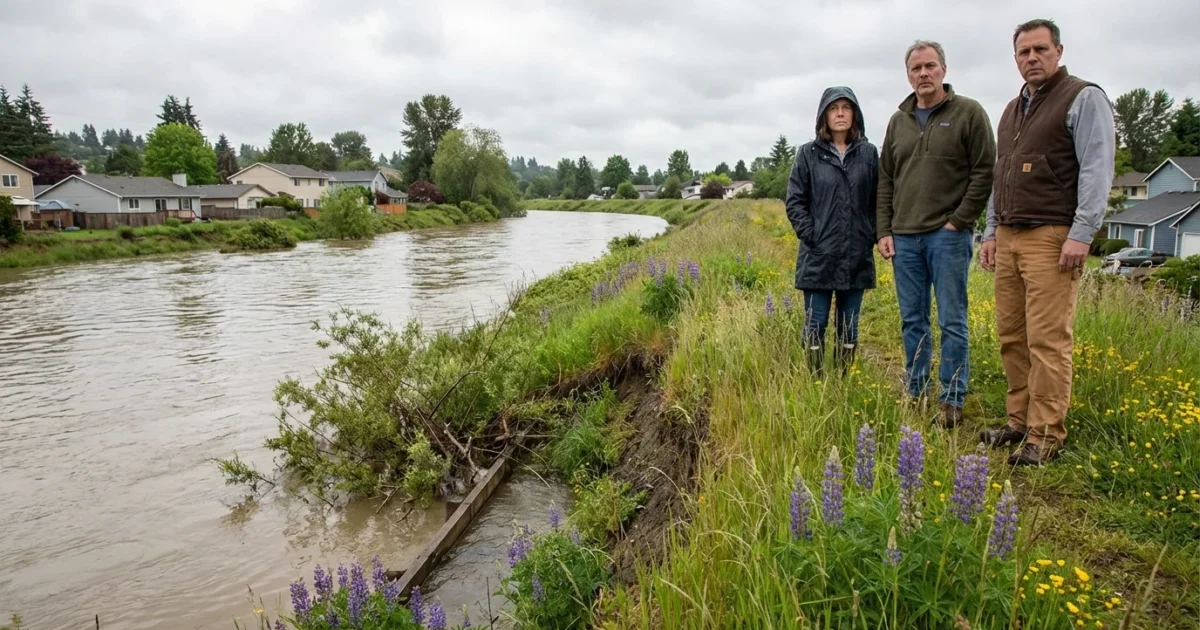
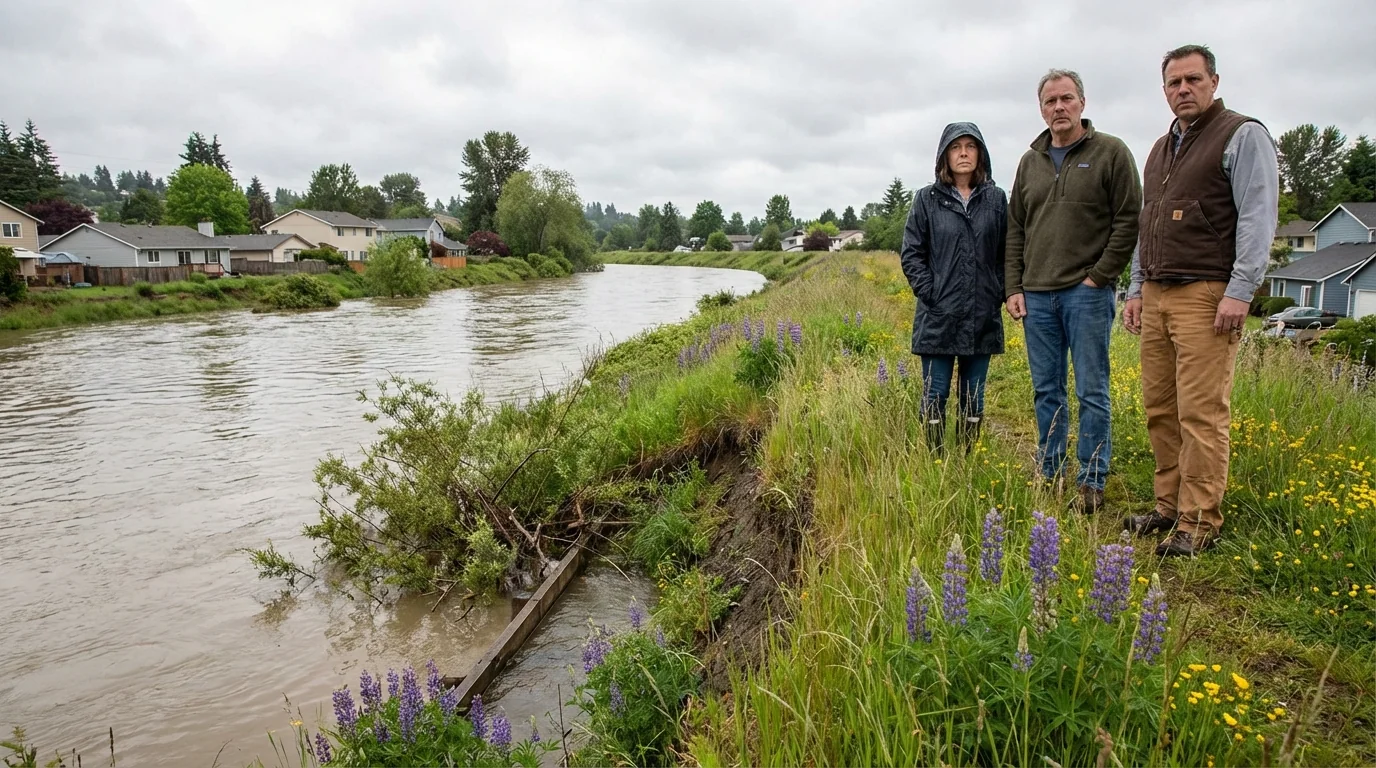
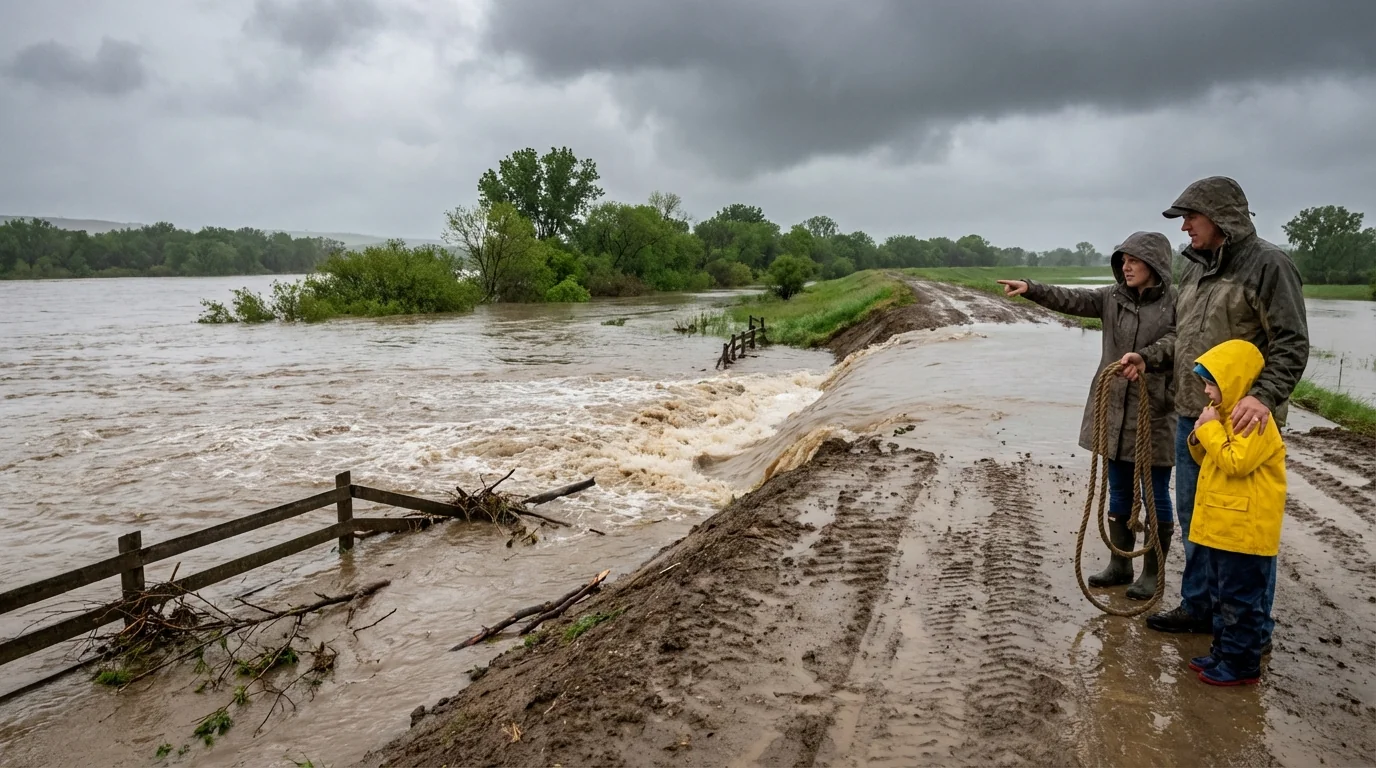
A section of levee on the Green River has given way, releasing river water toward nearby homes and businesses. The break is allowing a surge to spread across flat ground. This kind of overflow moves quickly and can trap people who wait too long.
Emergency crews are going door to door and setting up roadblocks. Swift water teams are tracking the river’s rise. Power crews are preparing for outages if water reaches substations. Travel is already disrupted near river crossings and low roads.
The highest risk is in floodplain neighborhoods closest to the river. That includes parts of Tukwila and other low lying areas along bends in the channel. Even small creeks that feed the Green River can reverse and flood when the main stem jumps its banks.
Evacuate if you are told to leave. Do not drive through water. A foot of moving water can sweep a car away.
Why the water rose so fast
Days of steady rain have soaked the soil and filled the watershed. When ground is saturated, more rain runs straight into creeks and rivers. Warmer storms can speed snowmelt in the Cascades, which adds even more water to the system. All of this stacks on top of each other, and the river responds in hours, not days.
Flash flooding hits hardest where levees and roads squeeze the river. Water flows faster in narrow channels. When a levee fails in those spots, the release is sharp and dangerous. The Green River is especially sensitive after back to back storms.
Levees under climate stress
Levees are built to hold water to a certain height. Many were designed for conditions that no longer match what we are seeing. Heavier downpours are more common in the Pacific Northwest. Long plumes of Pacific moisture can stall and dump inches of rain. Peak flows are higher and arrive more often.
This strains older levees, especially where the riverbed has shifted or the levee has settled. Burrowing animals, tree roots, and past floods can weaken the structure. When pressure rises on a tired section, small leaks can turn into a break. Today’s failure is a window into that risk. It is a warning that our defenses must keep pace with the climate we live in now.
A levee reduces risk, it does not remove it. Plan for failure as well as success.
What to do right now
If you are in an evacuation zone, leave immediately. Take only what you need. Lock your home and follow posted routes. If you are outside the zone, stay off flooded roads and keep phone lines open for emergency updates.
- Grab medications, IDs, cash, chargers, and a warm change of clothes
- Unplug small electronics and move valuables to high shelves
- Help neighbors who may need a ride or extra time
- Keep children and pets out of floodwater
Floodwater can hide open manholes, sharp debris, and oil or sewage. It is not safe to walk or drive through. If water rises into your home, move to the highest level and call for help.
Turn around, do not drown. Six inches of fast water can knock you off your feet.
Building back smarter after the surge
When the water falls, the hard work begins. Repairs should not only patch the break. They should reduce the next disaster. Setback levees, placed farther from the channel, give the river room to spread without catastrophic failure. Restoring floodplains can lower peak heights and store water safely. Removing pinch points, like tight bends and undersized bridges, reduces pressure on levee walls.
Better mapping, river gauges, and phone alerts can save minutes when minutes matter. Buyouts in the most at risk blocks can create green space that floods safely and often. These choices cost money up front. They save lives, homes, and public dollars over the long run.