A severe geomagnetic storm is hitting Earth right now. I am tracking a G4 alert from the nation’s space weather forecasters, and it is already reshaping the night sky and testing our tech. Auroras are pushing far south. Power systems and satellites are shifting into protection mode. This is the strongest mix of magnetic unrest and solar radiation we have seen in decades.
What is happening right now
A burst of solar material, called a coronal mass ejection, slammed into Earth’s magnetic field. The impact is driving a G4 level geomagnetic storm. That is the second highest category on the five step scale. At the same time, a major solar radiation storm is flooding near Earth space with high energy particles. Together, they make the sky glow and make technology work harder to stay stable.
Here is the bottom line. Expect a dazzling show in many regions. Expect some hiccups in communications and navigation. Expect operators to take precautions that keep the grid and satellites safe.

Short GPS glitches, spotty HF radio, and power grid voltage swings are possible during a G4 storm. Timing can shift as shocks arrive in waves.
Why this matters for daily life and tech
Geomagnetic storms rattle currents in the upper atmosphere. They can induce voltage changes on long power lines. They also thicken the thin air in low orbit, which increases drag on satellites. Your phone will still work. Your lights will likely stay on. But you may notice small, odd issues.
Power and the grid
Grid operators watch storms like this in real time. They can reconfigure lines, balance loads, and limit transfers to cut risk. During G4 events, transformers can run hotter if not managed. Most problems are brief and local. Energy planners use these events as stress tests, then improve hardware and rules for the next one.
GPS, radio, and aviation
GPS accuracy can degrade during strong aurora. That matters for precision farming, survey work, and drone flights. HF radio can fade, especially at high latitudes. Airlines may reroute some polar flights to avoid radiation exposure at altitude and to keep communications solid. At ground level, there is no direct health risk from this radiation storm.
The aurora opportunity
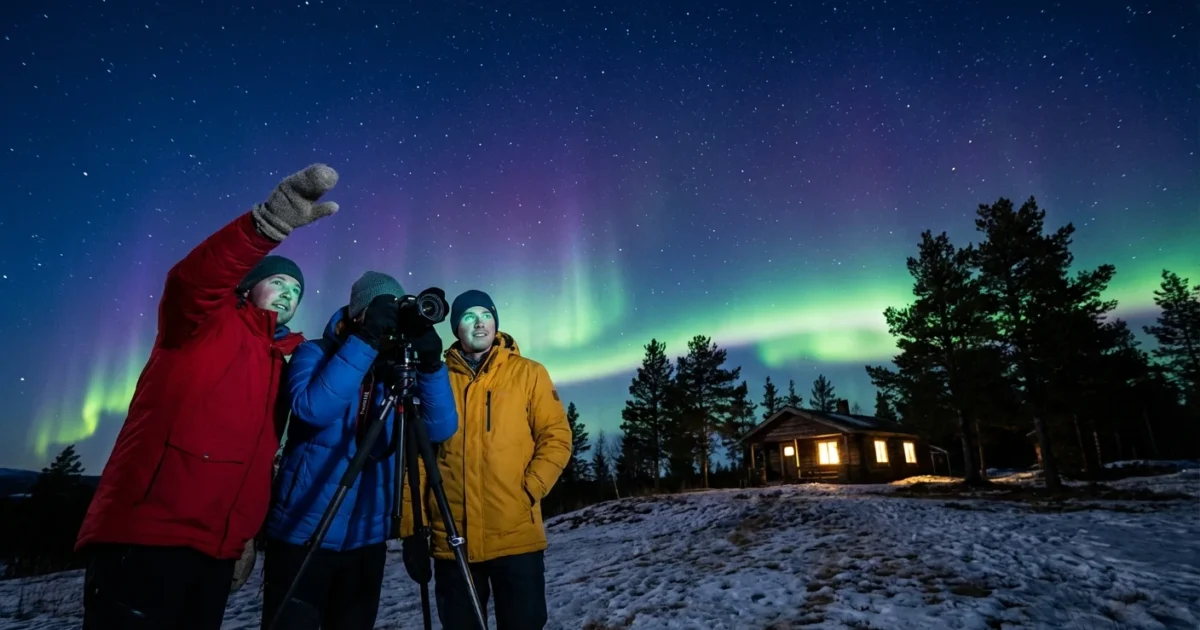
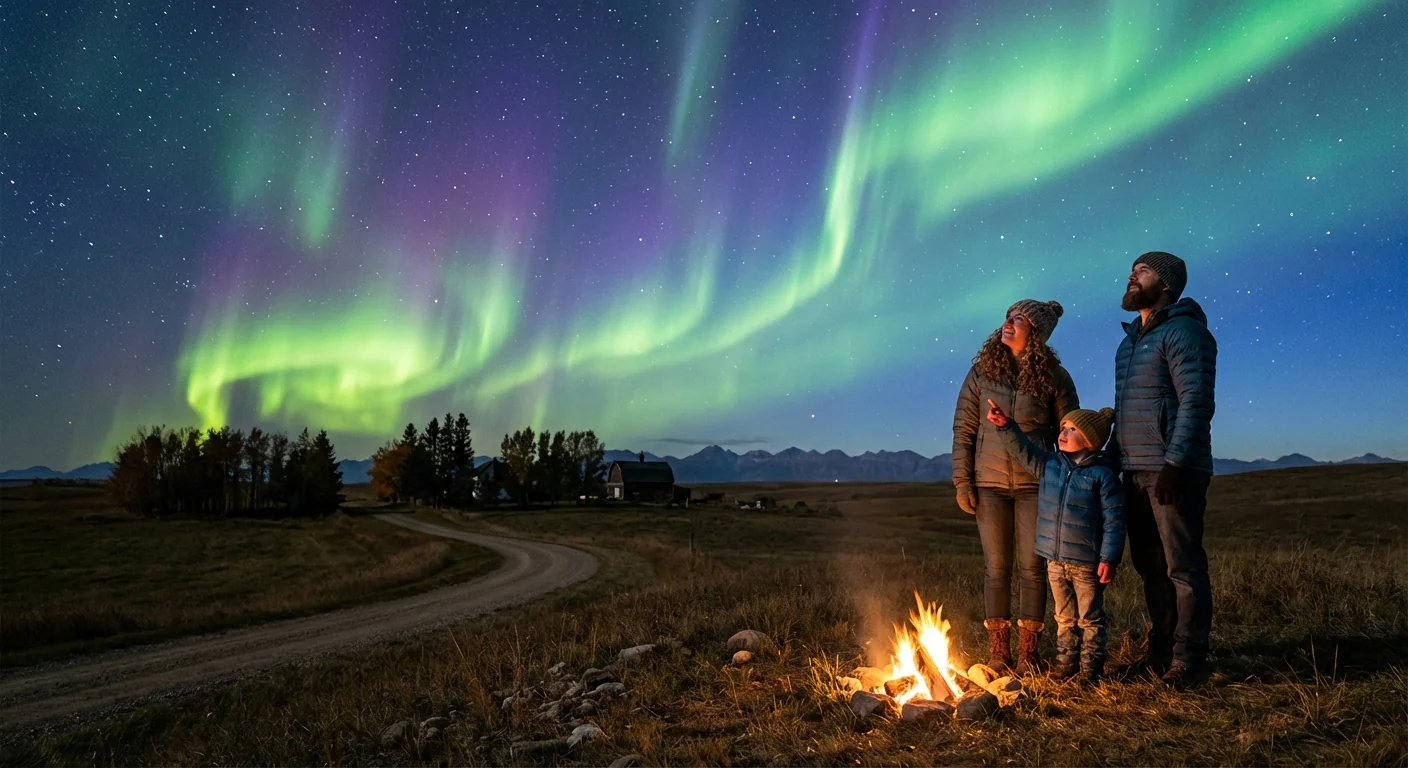
The aurora oval is expanding toward mid latitudes. If clouds part, people far from the Arctic and Antarctic could see a glow on the northern or southern horizon. The best view is under dark, clear skies, away from city light. Look north in the Northern Hemisphere, and south if you live in the Southern Hemisphere. The colors may ebb and surge. Be patient. Let your eyes adjust for 20 minutes.
Turn off outdoor lights, step away from phone screens, and give your night vision time. You will see more detail and color.
Light pollution does more than hide auroras. It wastes energy and harms wildlife. Tonight is a chance to practice simple steps that protect the night and trim your power bill.
How to prepare, simply
You do not need to panic. Small actions can cut frustration if signals wobble.
- Charge phones and laptops before sunset.
- Download offline maps if you plan to drive in rural areas.
- Print key directions for any late trips.
- Give drones and survey gear a pause until the storm eases.
- If you run sensitive equipment, check surge protection.
If you operate a small solar or wind system at home, monitor your inverters for alerts. Most gear rides through fine. If you manage a larger site, follow your utility’s guidance and your equipment manuals.
Space weather in a warming world
This storm is a space weather story, not a climate driver. Still, it speaks to resilience in an era of rising risk. A warming climate loads the dice for heat waves, wildfires, and severe storms. Those events, plus solar storms like this one, pressure the same systems, our grids, our telecom links, and our supply chains. Building smarter grids, burying lines where it makes sense, and cutting waste make us stronger against both. Satellite operators are also learning. They now plan for higher drag during active solar years, which reduces debris risks and protects the services we rely on.
Keep an eye on official space weather updates. The Kp index tells you how far south the aurora may reach. Alerts can rise or fall as new solar bursts arrive. Many impacts come in pulses. A quiet hour can be followed by a bright burst and a fresh round of radio static.
The takeaway
Tonight, Earth is inside a severe geomagnetic storm. The sky may put on a rare show. Technology may hiccup, but it is built with this in mind. Take simple steps to prepare, be patient with navigation and radio, and enjoy the aurora if you can. Events like this reveal how linked our planet is to our star, and how smart design can keep both lights and skies bright without wasting energy.