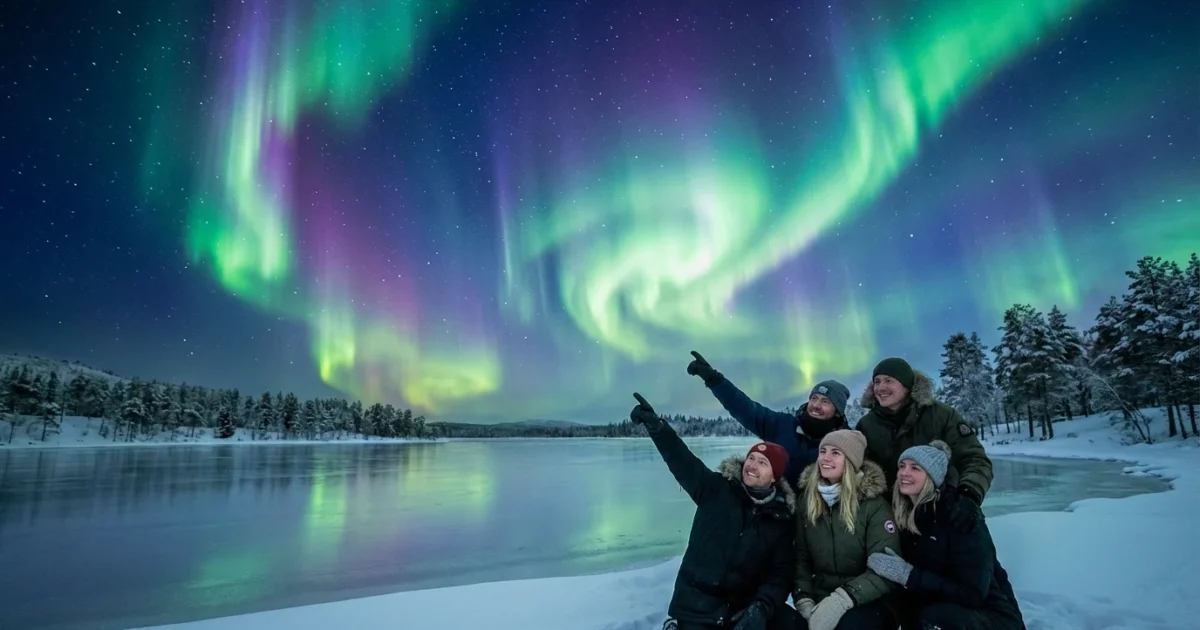
BREAKING: Strong geomagnetic storm may fire up the northern lights tonight. A fast coronal mass ejection is on course to hit Earth, putting large parts of the northern United States on aurora watch.
What is happening tonight
I can confirm a G3, strong, geomagnetic storm watch is in effect for tonight, Monday, December 8. The trigger is an M8.1 solar flare from active sunspot Region 4299. That flare launched a full halo coronal mass ejection straight toward Earth. Arrival is forecast near 5 UTC on December 9, with a timing window of about plus or minus seven hours.
That uncertainty matters. In North America, 5 UTC lines up near 9 pm Pacific, 10 pm Mountain, 11 pm Central, and midnight Eastern. The storm could arrive earlier in the evening or toward pre‑dawn. Plan for a long window, from after dusk through early morning. If the shock front hits cleanly, expect a quick jump in activity.
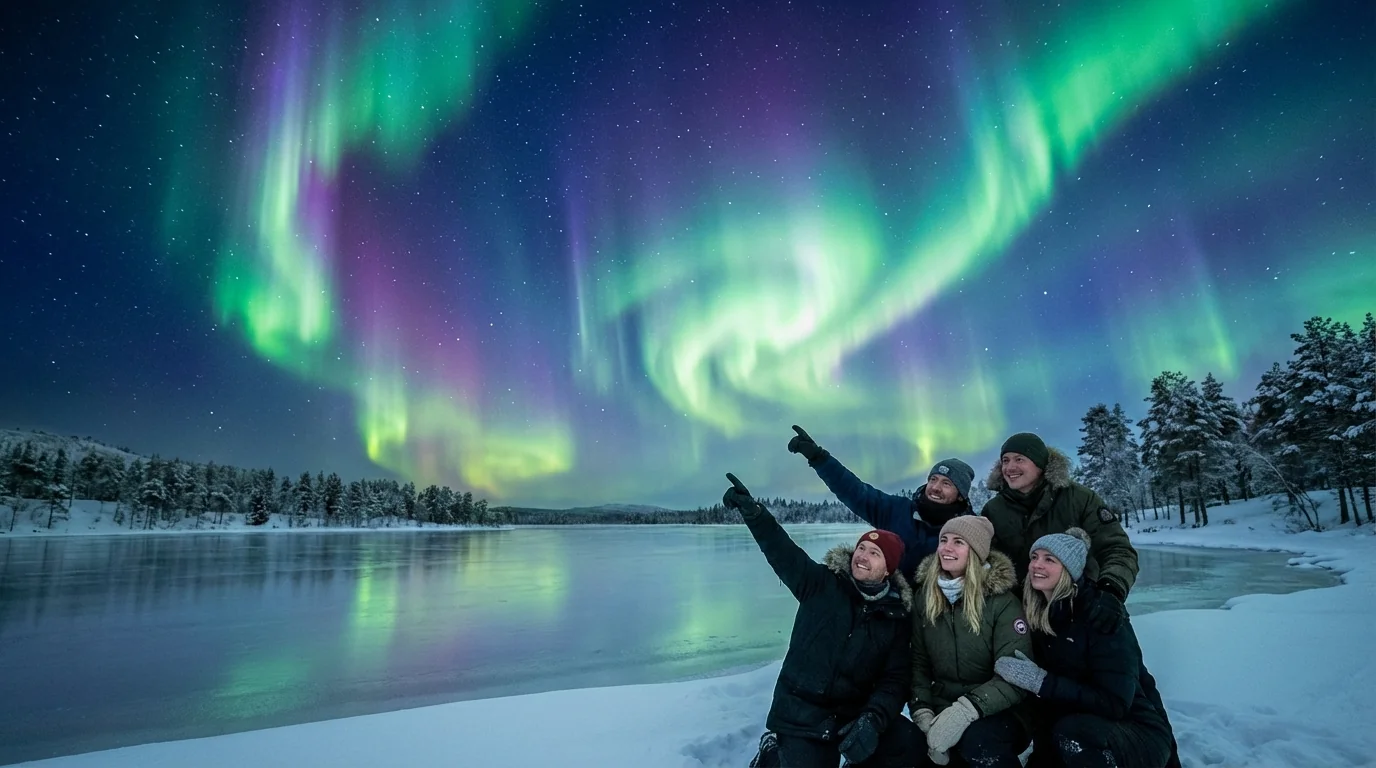
G3 storms often push the aurora well beyond the Canadian border. Curtains of green can ripple south, with pink and purple edges during peaks. Short bursts can come and go. Stay patient, and give your eyes 20 minutes to adjust.
Who can see it and when
If clouds cooperate, viewers in the northern tier have the best odds. Look north, find a dark horizon, and avoid streetlights. The strongest glow often builds near local midnight, but any time after twilight is fair game if the CME arrives early.
Regions with elevated chances tonight:
- Pacific Northwest and Northern Rockies
- Northern Plains and Upper Midwest
- Great Lakes
- Interior Northeast and northern New England
- Far northern interior of the West
Aurora can pulse in waves. You might see a faint gray arch at first. Cameras will pick it up earlier than your eyes. If the storm overperforms, the glow can creep farther south for short windows.
Safety first. Do not stop on highways, and do not trespass. Winter roads can be icy. Dress in layers, use a red flashlight, and watch for wildlife.
Why this storm, and why now
The Sun is still near the peak of Solar Cycle 25. Big sunspot groups are common this season, and Region 4299 has a track record. When a powerful flare launches a full halo CME, Earth can take a direct hit. The storm strength then depends on the magnetic field inside that cloud. If it turns southward as it arrives, the lights intensify.
Auroras are beautiful, and they are also a space weather signal. G3 storms can cause minor power grid corrections, radio fades at high latitudes, and satellite drag. Grid operators now include space weather in resilience plans, much like heat waves and floods. This is climate ready infrastructure in action. For communities, darker skies also matter. Cutting light pollution saves energy, protects wildlife, and makes auroras easier to see.
Your action plan for tonight
- Pick a dark site with a clear view north. Get away from city glow if you can.
- Track live conditions from the NOAA Space Weather Prediction Center, aurora maps, and alerts on your phone.
- Watch the sky often between dusk and dawn. Peaks can be brief.
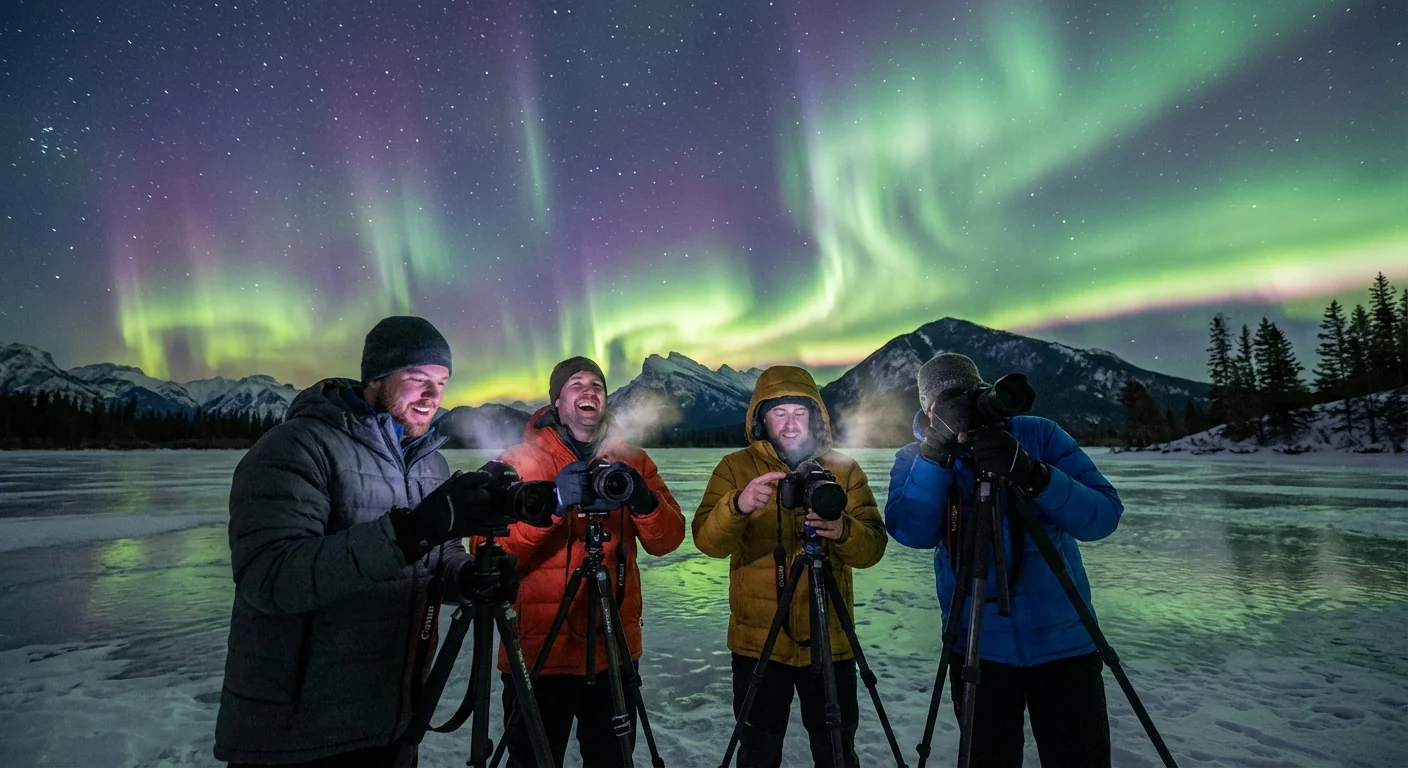
- Bring a tripod, warm clothes, a headlamp, and hot drinks. Stay safe and patient.
Photo quick start. Use manual mode. ISO 1600 to 3200. Aperture as wide as your lens allows. Start with 5 to 15 second exposures. Focus at infinity on a bright star, then do not touch the focus ring. Shoot RAW if possible.
Live signals to watch in real time
You do not need jargon to follow the storm. Watch for these simple cues. If the Kp index climbs to 6 or higher, chances improve far south. If solar wind speed jumps and stays high, the show can hold. If alerts mention a sustained southward magnetic field, that is your green light to head outside.
Clouds will decide a lot at the local level. Use your local forecast radar and satellite loops to time breaks. City lights wash out faint auroras, so even a short drive can make a big difference.