BREAKING: Bitter Cold, Light Snow Shape New York’s 2026 Ball Drop
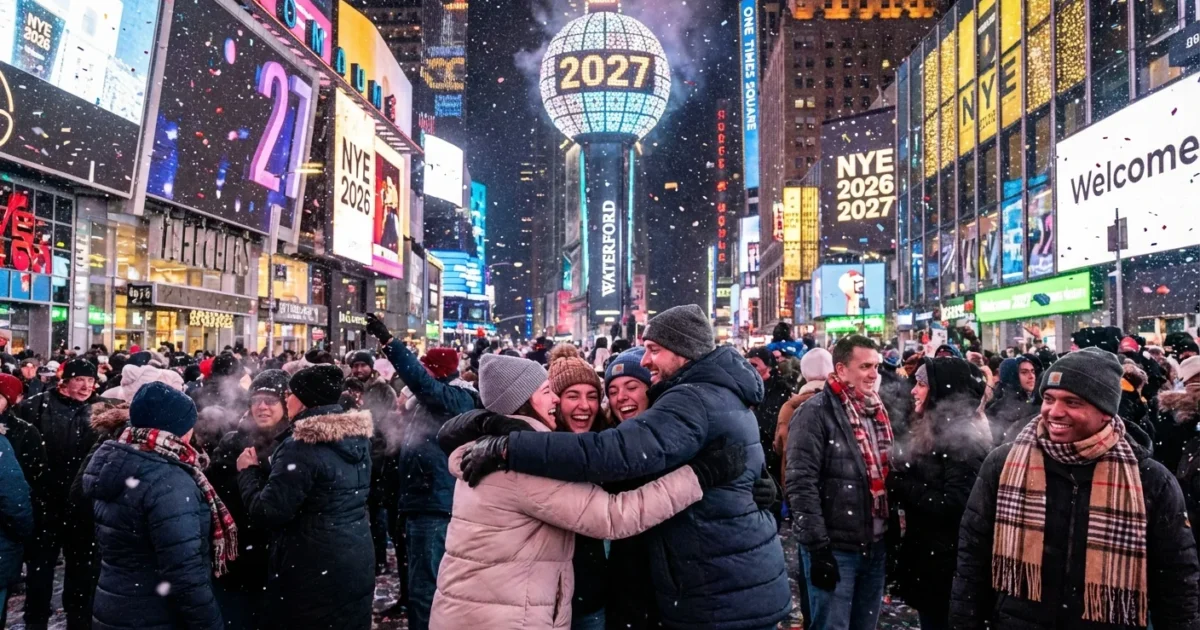
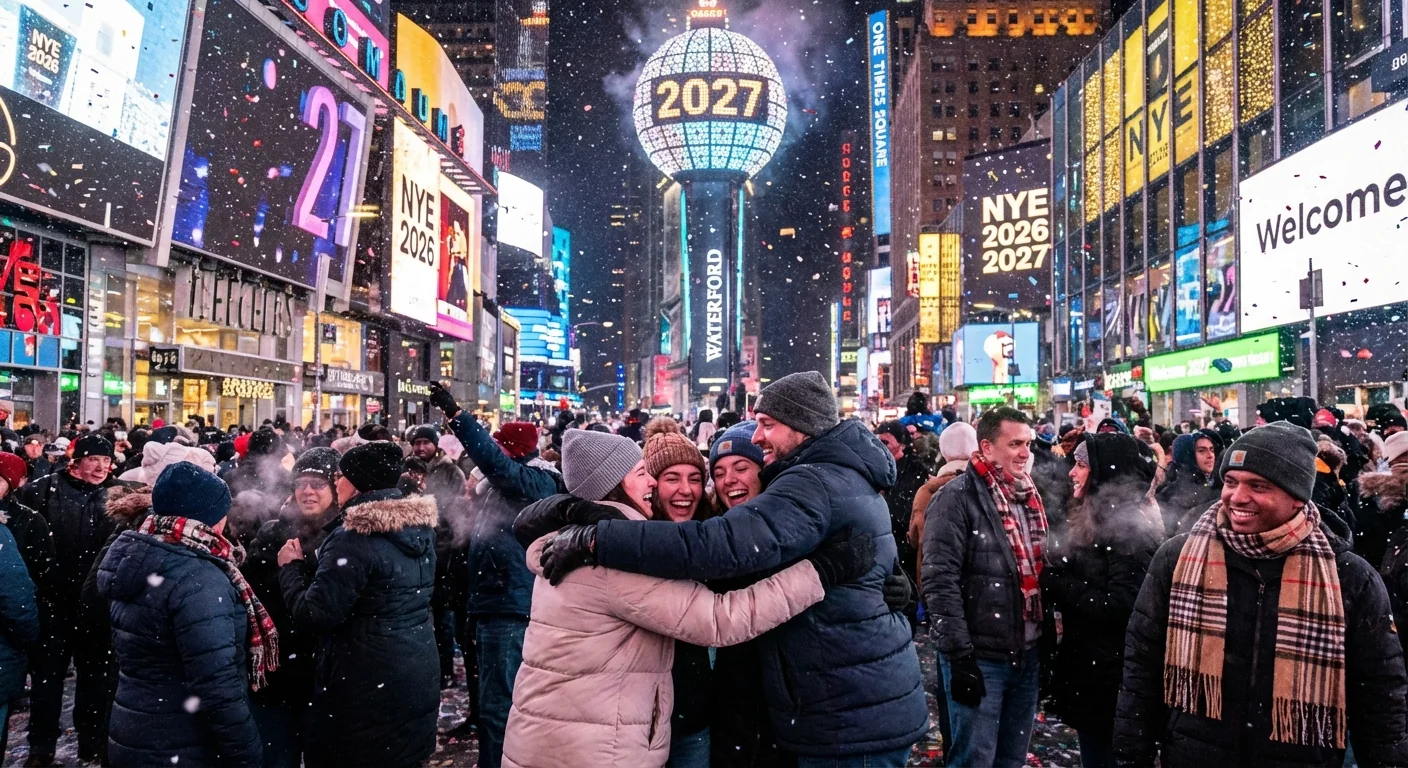
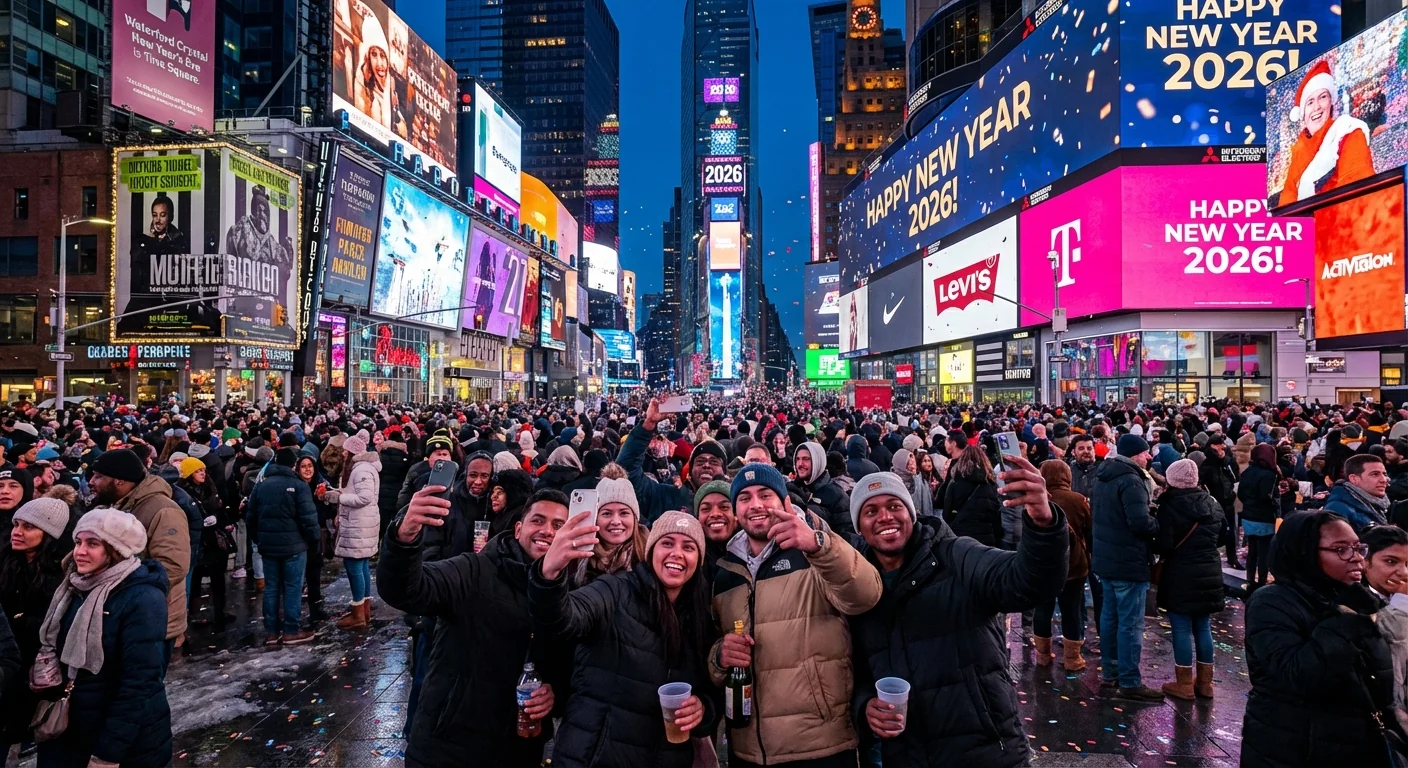
The new year arrived on a slice of Arctic air. I stood in Times Square as the clock hit midnight. The cold was sharp, steady, and unforgiving. Light snow flurried at times, dusting jackets and camera lenses. Thousands still packed the pens. They danced, stamped their feet, and cheered through it. The ball glittered. The wind cut. 2026 began with a deep chill and a clear climate message.
A Midnight Launch Into Arctic Air
The air never eased. It was well below freezing by early evening. The wind made it feel colder, especially at the cross streets. I watched people layer scarves over masks, then pull hoods tight. Steam from manholes drifted sideways. Police moved the crowd in slow waves as the gusts rose and fell.
Flurries arrived before midnight, then faded, then returned. Sidewalk edges grew slick in spots. Crews tossed down handfuls of salt. Cheers erupted when the ball started its drop. Confetti swirled up into the wind, then vanished into the night. The party was real. So was the frost.
Frostbite can start in minutes on exposed skin in wind and deep cold. Cover hands, ears, and cheeks.
What Drove The Deep Freeze
This burst of cold came from the north. A pocket of Arctic air slid south into the Northeast. The jet stream bent, then held that bend for days. That pattern locks in chill, even as the world warms overall. Climate change does not cancel winter. It can make these swings more dramatic.
Warmer oceans load storms with extra energy and moisture. That can mean quick bursts of snow, even near the coast. Upstate saw more snow today, thanks to lake effect bands. Cold air crossing warmer lakes can build narrow, intense snow streams. We felt a lighter version here, short and powdery.
The bigger picture matters. The last decade has been the warmest on record. Yet cold snaps still happen. They feel sharper on tired power grids and icy streets. Events like tonight expose the weak spots, from transit stairs to unheated corners of the city.
Safety, Transit, and Ground Work
Long waits are part of Times Square. Tonight, the weather turned those waits into a test. People moved in place to keep blood flowing. They swapped hand warmers. They used cardboard as a barrier from the frozen ground. Medics circled with quiet focus. The key risk was not snow totals. It was time. Hours outdoors multiply the danger.
I watched subway entrances turn into wind tunnels. Stairs got slick as the flurries returned. The platforms were a welcome heat break. Trains offered a warm ride home, packed but steady. Street salt was out in force at crosswalks. You could taste it in the air.
- If you are heading out into this cold, wear three layers, a windproof shell, insulated boots, and two pairs of gloves.
Keep a dry backup layer in a sealed bag. Sweat cools fast when the wind picks up.
Sustainability Spotlight
The Times Square ball uses high efficiency LED lights. That helps cut power use during the show. The bigger climate load comes from travel, heating, and crowd operations. Public transit is the best climate choice here. Buses and trains move far more people with far fewer emissions.
Road salt keeps us upright, but it has a cost. Salt washes into rivers and can harm plants, fish, and drinking water. Cities are testing smarter tools. Brines that use less salt. Better spreaders that target icy spots. More pre-treatment before snow starts. Nights like this are a reminder to balance safety with water health.
Events can shrink their footprint in simple ways. Fewer generators. More grid hookups. Reusable barriers and signage. More recycling points inside the pens. Less single-use plastic in food zones. Tonight showed progress in lighting and transit use. There is room to grow in waste cuts and smart salt use.
What This Cold Night Means
This freeze will pass, but it tells a larger story. Our climate is warming, yet the atmosphere still swings. We will keep seeing fast flips, cold to warm, dry to wet. That means planning for both heat waves and deep chills. It means sturdier transit entrances, better ice control, and clear safety messages hours before crowds gather.
The joy of the countdown survived the cold. The lesson travels with it. Big outdoor traditions are now weather operations. Every degree matters. Every gust shifts the plan. Tonight, New York met the cold with grit, a little snow, and a lot of layers. The ball dropped on time. The climate clock keeps ticking.