Is there school today? In much of the Chicago region, the answer is no. I have confirmed widespread closures and e-learning shifts across the metro as dangerous cold grips the Midwest. Chicago Public Schools canceled in-person classes for today after an Extreme Cold Warning was issued for Cook County. Several suburban districts followed with full closures or online learning. Neighboring areas in Wisconsin are also moving to cancel or modify schedules as temperatures plunge.
What’s closed right now
The cold is not a routine chill. We are seeing wind chills well below zero, with pockets that will push to minus 25 to minus 35 during the morning commute. At those levels, frostbite can begin in minutes. Buses struggle to start. Sidewalks glaze over. A stalled vehicle can turn into an emergency. District leaders chose to keep students home as the safer option.
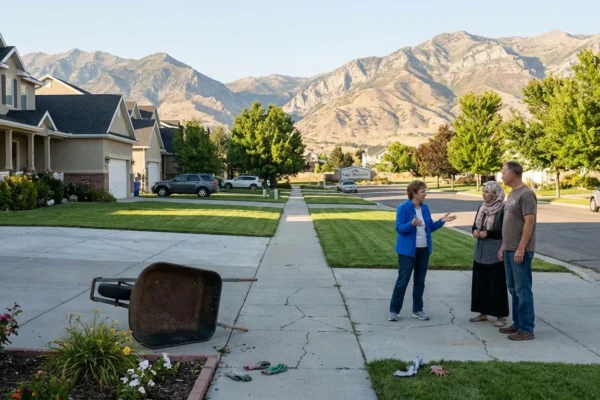
In Chicago, there will be no in-person classes today. Some suburban districts will run e-learning days. Others are closed outright, with make-up plans to be announced. North and northwest Indiana districts are watching conditions hour by hour. Several Wisconsin districts are also canceling for today as Arctic air spreads south.
[IMAGE_1]
How to check your district’s status fast
Status varies by district and can change with the wind. Here is the fastest way to confirm your plan.
- Check your district’s website homepage and official mobile app.
- Look for email and text alerts from your school or principal.
- Turn on push alerts from your local district and city emergency channels.
- Monitor local TV or radio for your district’s name on the closure list.
If you do not see an update, refresh the district site and verify your contact info in the parent portal. Many missed alerts come from outdated phone numbers or emails.
If your district is switching to e-learning, attendance rules still apply. Expect a mix of live sessions and independent work. Teachers will share schedules and links through the usual learning platform.
[IMAGE_2]
Why extreme cold shuts schools
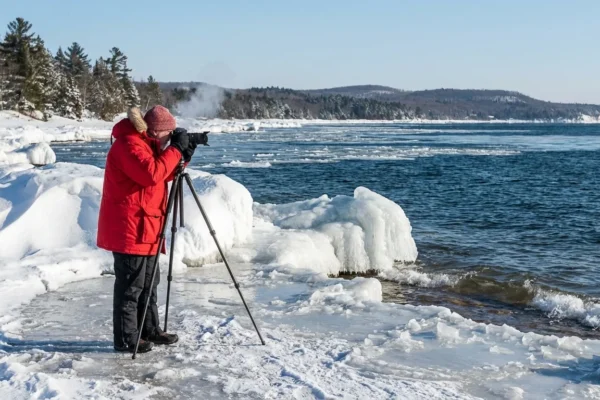
This call is about risk. Wind chill is the key factor. Wind strips heat from skin, which speeds cooling. At wind chills near minus 30, exposed skin can frostbite in 10 to 20 minutes. That matches the time many students spend walking to bus stops. Salt also works less effectively in extreme cold, so sidewalks and side streets stay slick.
School buildings face strain too. Heating systems run nonstop. Older windows leak heat. A single mechanical failure can drop classroom temperatures very fast. Buses use diesel, which can gel in very low temperatures, and batteries weaken in the cold. All of this raises the chance of delays, breakdowns, and unsafe wait times outdoors.
Limit time outside this morning. Cover all skin, including ears and hands. Keep car fuel tanks at least half full to prevent fuel line freeze.
The climate signal behind the deep freeze
Cold snaps still happen in a warming world. What is changing is the pattern. We are seeing more intense swings, from record warmth to sharp Arctic blasts. A wavier jet stream can let polar air sink south for short bursts. The background climate is warmer, but the atmosphere now holds more energy and moisture. That fuels bigger storms and faster shifts.
These swings are hard on schools and cities. Heating demand spikes. Old buildings lose heat. Districts that invest in better insulation and efficient systems handle the stress better. Weatherization, modern boilers or heat pumps, and smart controls keep classrooms warm with less energy. Electric bus fleets paired with heated depots can start reliably on cold mornings, and they cut tailpipe pollution that harms student health.
Sustainability is a safety plan, not just a slogan. The more resilient the buildings and fleets, the fewer days lost to weather shocks.
If your child is learning from home today
Remote days run on a tighter schedule than snow days of the past. Teachers will post times for check-ins and assignments. Keep devices charged and nearby. If you lack internet, contact your school. Many districts have mobile hotspots or printed packets ready for pickup.
- Charge laptops and tablets fully before classes begin.
- Set a quiet spot for video calls and work time.
- Keep winter gear ready in case pickup sites open for meals.
- Watch for afternoon updates about tomorrow.
Attendance counts on e-learning days. If your child is sick or offline, report it to the school office early.
The bottom line
Today’s closures are a safety decision, rooted in hard weather science. Wind chills this low can harm in minutes. Stay indoors, check your district’s official updates, and follow teacher instructions for e-learning. As these wild swings become more common, schools will need stronger buildings, cleaner buses, and smarter plans. For now, keep the kids warm, keep the schedule simple, and expect updates through the day. We will keep watching the pattern and report when the risk eases. Stay safe out there. ❄️