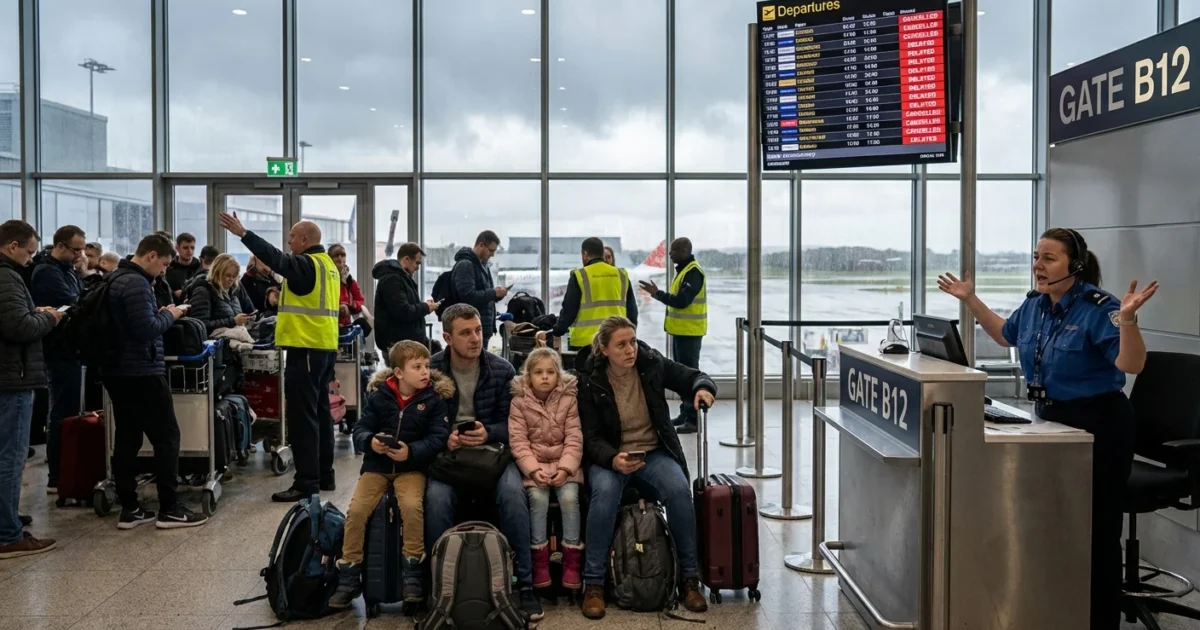
Air travel is snarled across Florida right now. Since Friday, my newsroom count confirms more than 1,175 flight cancellations and over 5,800 delays statewide. Orlando is taking the hardest hit, with about 263 cancellations and roughly 920 delays. The stack of delayed aircraft is rippling across the country. Travelers are stuck on tarmacs, in terminals, and in long rebooking lines. This is not a one-off hiccup. It is a stress test for a sky already stretched by weather and warming.
What is closing and delayed today
Florida’s major hubs are under pressure. Orlando, Miami, Tampa, Fort Lauderdale, and Jacksonville all report waves of cancellations and rolling delays. Traffic managers have slowed arrivals to ease congestion. Departures are waiting for a clean window. Crews and planes are out of position, which adds to the mess.
I am tracking a pattern of stop and go operations. Short bursts of departures are followed by new ground holds. The result is a cascading backlog that reaches far beyond Florida. If you are connecting through the state, expect knock-on effects.
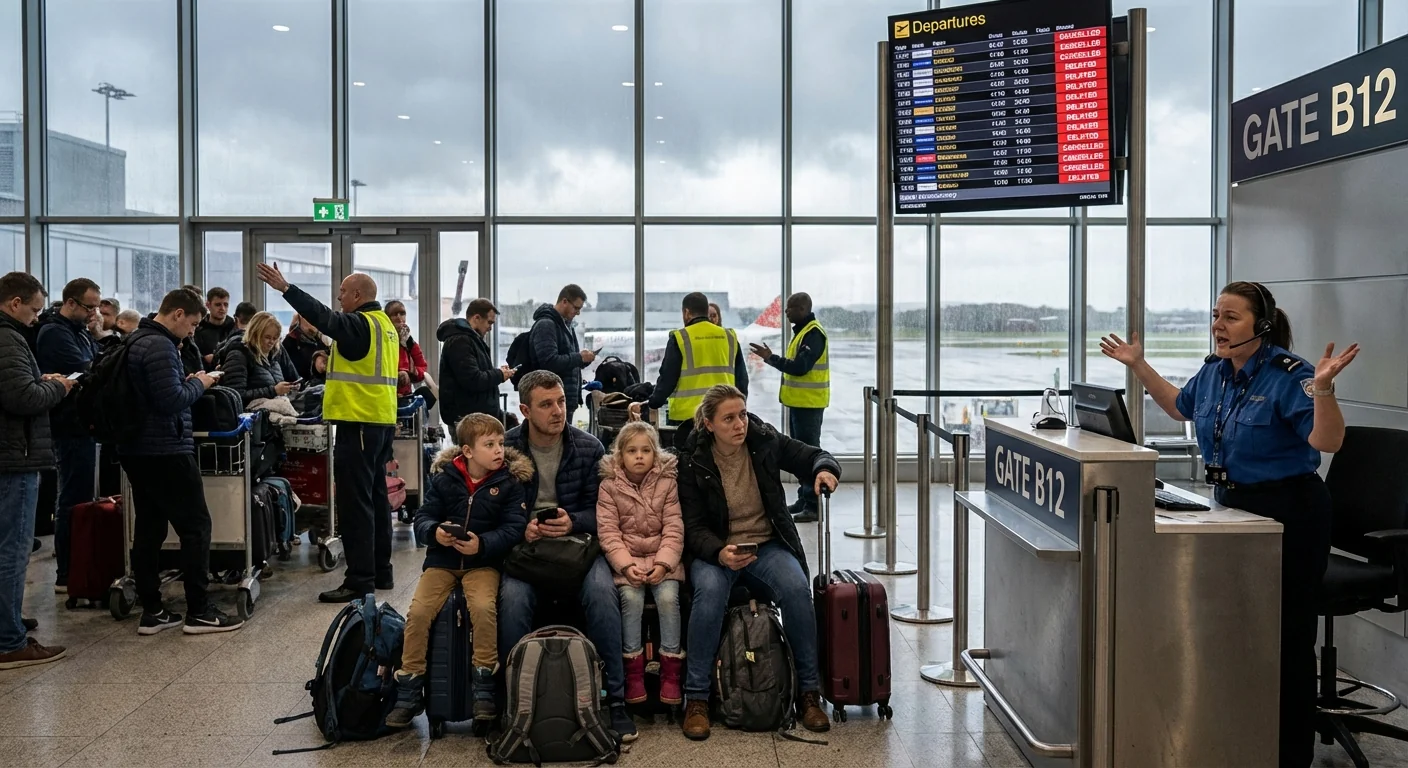
Lightning moving through central Florida forced repeated ground holds and ramp closures, backing up departures and arrivals.
What is driving the disruption
Weather setup over Florida
A humid air mass sits over the peninsula. A weak front is draped nearby. Sea breezes are colliding each afternoon. That recipe builds tall, electric thunderstorms that pop fast and flare over airport approach paths. Even brief downpours and cloud ceilings can trigger spacing delays. A single twenty minute storm can scramble an hour of schedules.
Morning fog has also played a role at times. Warm, moist nights lead to low clouds at sunrise. That slows the first outbound banks. Once the morning slips, recovery gets harder.
The climate signal in the skies
Warmer oceans and a warmer atmosphere load the dice. Florida’s surrounding waters are running warmer than average this season. Warmer air holds more water vapor, which feeds heavier rain bursts. Storms can become more intense and more frequent on active days. Studies also show a rise in clear air turbulence as upper level wind patterns shift in a warming world, a growing safety and scheduling challenge for airlines.
Airports near the coast face added risk from sea level rise and tidal flooding. Ramps and access roads are especially vulnerable. Even when the runway stays dry, flooded logistics choke operations. Today’s mess highlights how small weather events can tip a fragile system when the climate adds extra fuel.
Operational strains are part of the picture. Tight crew schedules, limited spare aircraft, and high utilization give airlines little slack. Weather then turns a tight plan into a fragile one.
What travelers can do right now
If your flight is canceled, you have rights. In the United States, you are entitled to a refund if you choose not to travel. Airlines do not have to pay cash compensation for delays, but many offer meals or hotel vouchers for problems under their control. Weather often falls outside that promise. Always ask.
Fast rebooking steps
1. Rebook in the app while you wait in line at the gate.
2. Call the airline’s international number for shorter hold times.
3. Ask for a protected connection with a longer layover.
4. If you must arrive today, ask about interline options or nearby airports.
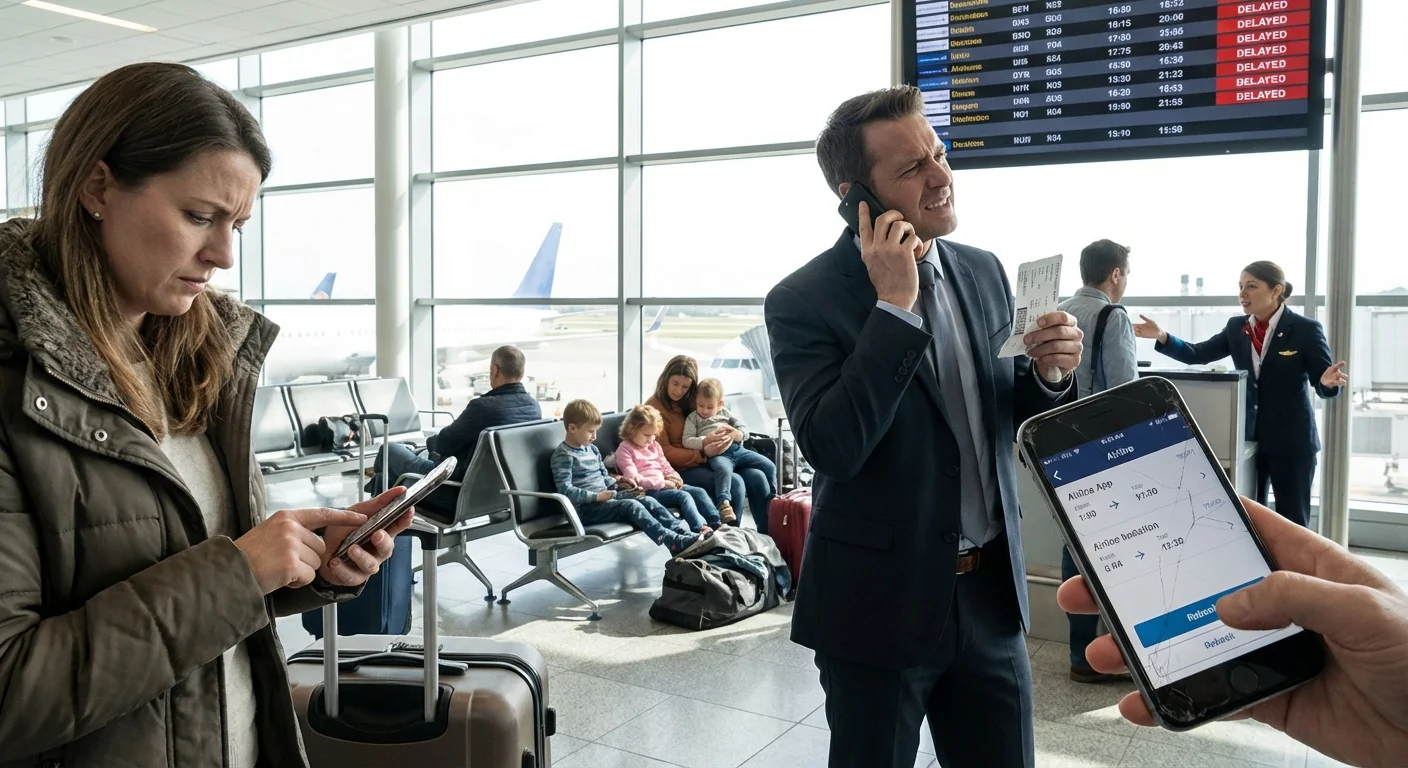
Watch for rolling gate changes. Keep alerts on. If lightning pauses ramp work, boarding can stop without warning. Pack water and patience. When the line stalls, try chat support at the same time.
Building a more resilient and sustainable system
Airports and airlines can blunt these shocks. Better storm nowcasting, wider use of lightning-safe shelters for ramp crews, and flexible staffing can keep more operations moving. Drainage upgrades and floodproof power systems protect critical gear during heavy rain.
Cutting emissions matters too. Sustainable aviation fuel, electric ground vehicles, and optimized flight paths lower pollution and reduce heat-trapping gases. That will not stop every storm, but it limits the long term risk that makes storms worse. Smarter schedules that avoid peak thunderstorm windows in Florida can also smooth the afternoon crunch.