BREAKING: First freeze warnings of the season now in effect for parts of the Deep South
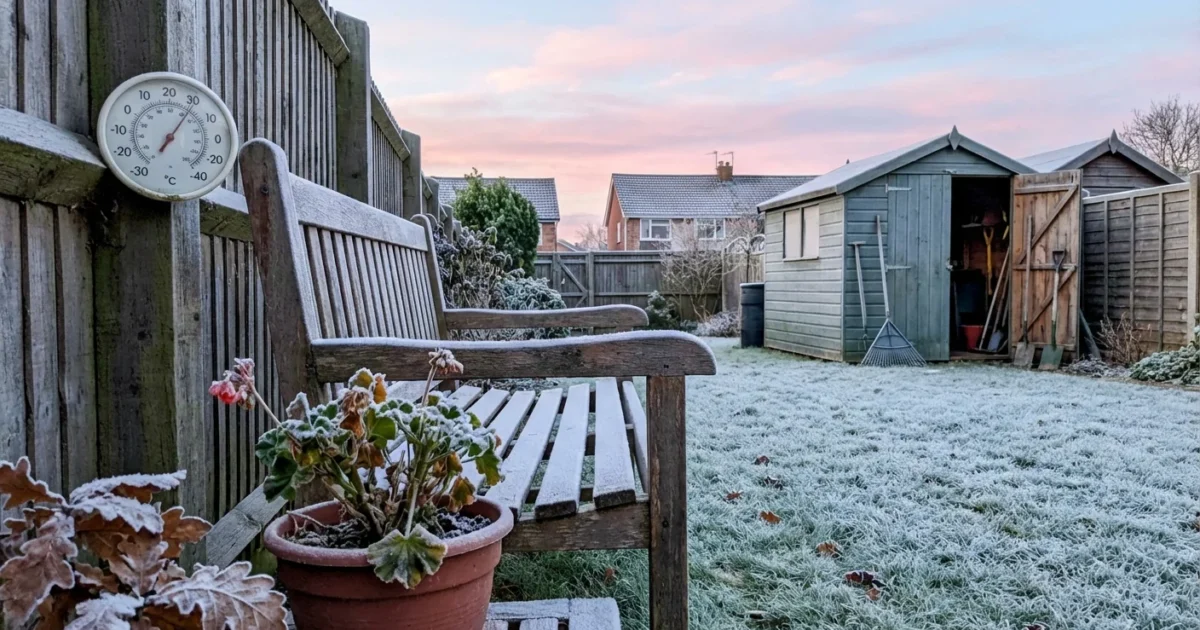
A sharp shot of cold air is surging into the southern United States tonight. Widespread freeze warnings are in effect across north Georgia and northern Alabama. Subfreezing temperatures will settle in before dawn, with some valleys dipping toward the upper 20s. This is a season starter, and it will bite. Gardens, outdoor pipes, and unprepared systems are at risk. ❄️
Record-challenging lows are possible in a few sheltered spots. Expect a fast drop after sunset, the coldest window will be near daybreak. Even brief freezing temperatures can end the growing season and stress infrastructure.
What a Freeze Warning means
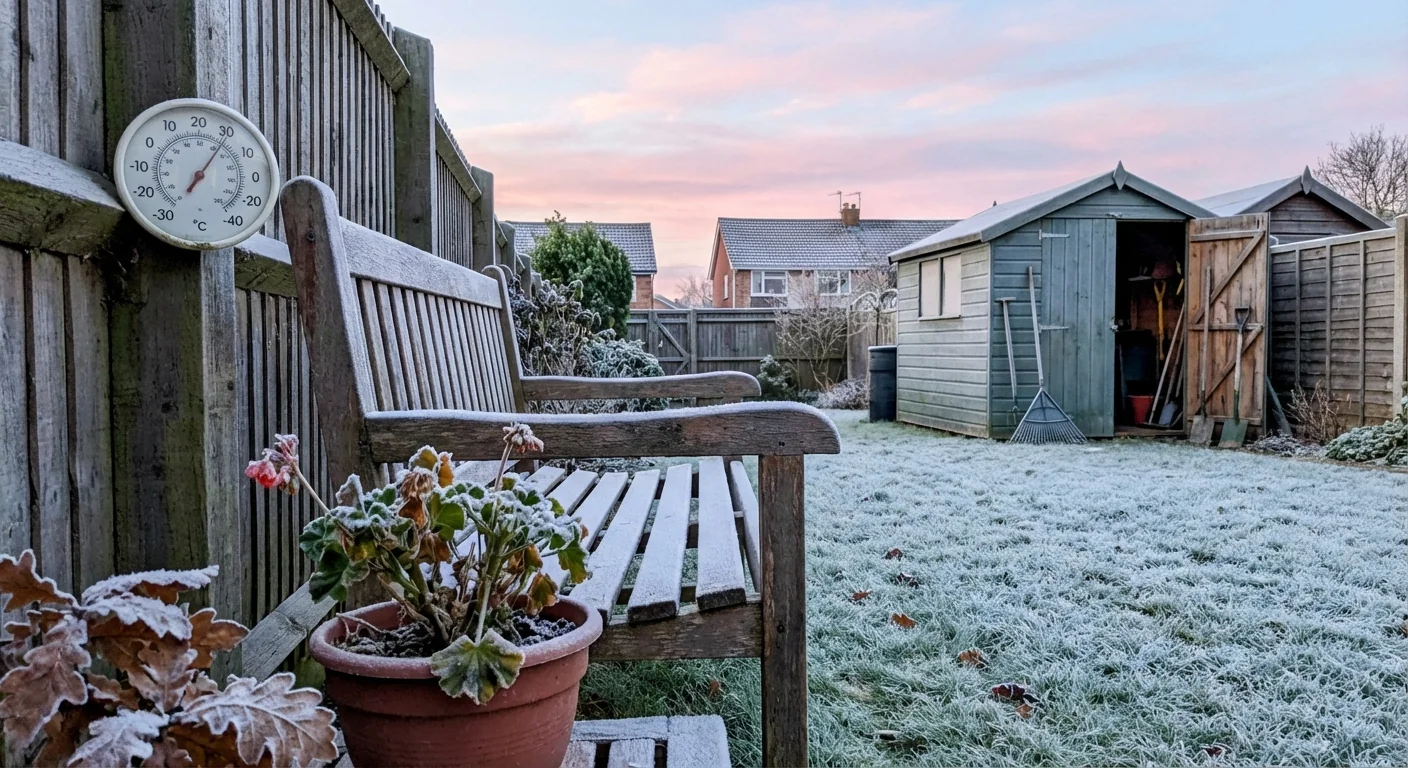
A freeze warning is issued when temperatures of 32 degrees or colder are expected. It is not a maybe. It means plan on a hard chill that can damage sensitive plants and exposed plumbing. For many counties, tonight’s freeze will be the first widespread one of the season.
You may also see a freeze watch before events like this. A watch means conditions are possible. A warning means it is happening or it will happen soon. Some offices used a hard freeze label in past years for colder, longer impacts. Since the National Weather Service simplified hazards in 2024, many offices now fold those into a standard freeze warning, with local criteria still in use.
Tender plants, irrigation lines, and above-ground spigots are most at risk. Even a couple of hours below freezing can cause damage.
Why this early-season freeze matters
The timing hurts. Many gardens in the Southeast stay active into December. Warm soil can mask risk until the first deep night of cold arrives. That first event often ends the season for tomatoes, herbs, and new plantings. Nurseries and small farms face losses if they cannot cover beds or move inventory inside.
Cold snaps like this are a normal part of southern winters. In a warming climate, average winters are milder, yet sharp outbreaks still strike. The jet stream can dip and unlock Arctic air. That mix, warmer background with strong swings, raises risk for surprise freezes on the edge of the season. It also stresses plants that stayed green longer into fall.
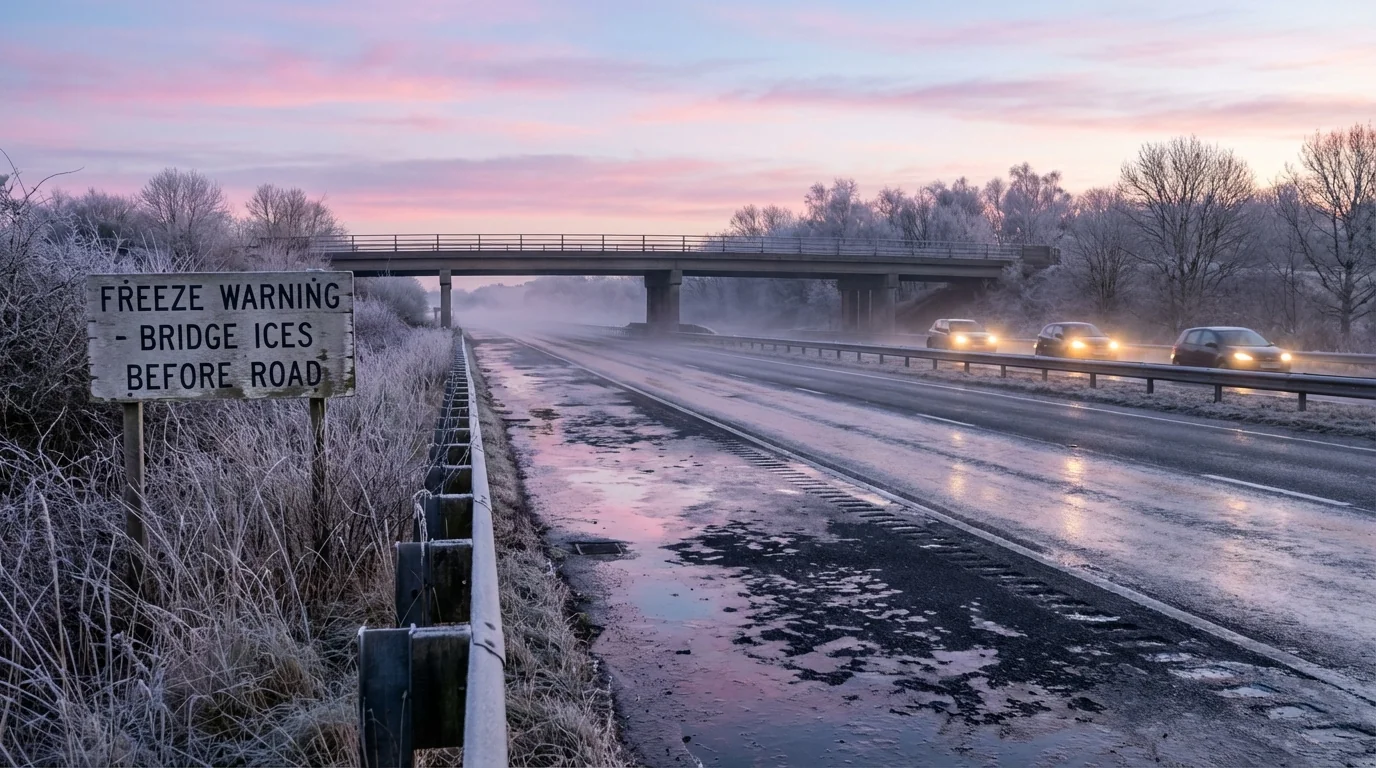
Road impacts are limited, but not zero. Bridges and overpasses cool fast. Patchy black ice can form before sunrise, especially where light showers or sprinkler runoff left moisture late in the day.
How to protect your home and garden
Move fast, and focus on the basics. Small steps tonight can save money tomorrow.
- Bring potted plants inside, or group them on a south wall and cover them
- Cover ground plants with cloth or frost blankets, not plastic on leaves
- Wrap outdoor spigots, backflow valves, and exposed pipes
- Bring pets inside and check on neighbors who may need help
If you need a quick pipe plan, do this in order:
- Open cabinet doors under sinks on exterior walls
- Let a slow drip run from the farthest hot and cold taps
- Shut off and drain irrigation lines if possible
Use cloth, towels, or purpose-made covers on plants and pipes. Anchor covers to the ground to trap heat. Remove covers after sunrise to prevent moisture buildup. 🔧
What to expect overnight
Winds ease late, skies stay clear, and temperatures plunge. The coldest hours will be near dawn. Expect lows near 28 to 32 across many warned areas, colder in hollows and higher ridges. Wind chills will feel several degrees lower at times. By mid-morning, sun will help, but shaded spots may stay icy.
Gardens that survive tonight may face another cold shot in the next 24 to 48 hours if high pressure lingers. Plan to repeat protections if your local office extends or reissues warnings.
Climate picture, simply put
The Southeast is warming on average, yet it still gets cold outbreaks. Fewer freeze days over the season do not erase the first one’s punch. Longer growing seasons mean more plants are exposed when that first freeze finally arrives. Water systems and housing built for mild nights can be caught off guard. Smart preparation lowers damage and cuts waste.
Strong finish: Tonight’s freeze is short, sharp, and actionable. Protect plants, wrap pipes, and look out for one another. I will continue tracking updates from local offices and will alert you if colder air pushes farther south or if another warning is posted for tomorrow morning. Stay warm, stay ready.