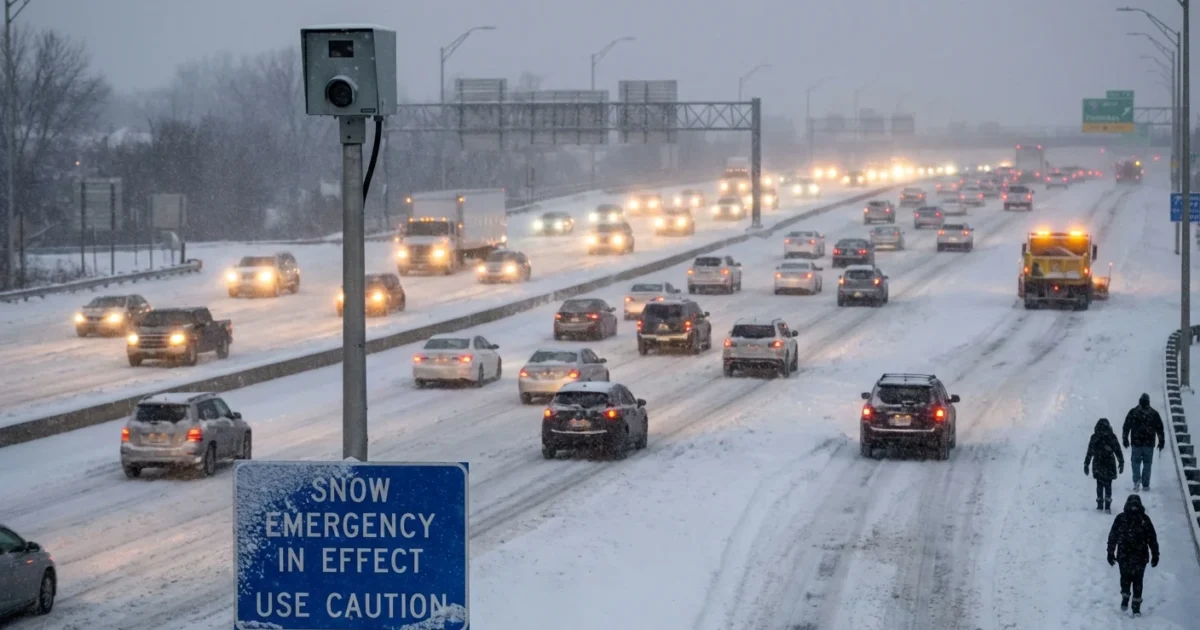
Breaking: Roads across the Midwest are snow covered, slick, and hazardous right now. Winter Storm Fern is laying down a fresh, heavy band from Indiana into Ohio, and the worst impacts are hitting metro corridors. I am tracking live DOT cameras and road sensors. Traffic is crawling in many zones, and new snow is quickly refilling lanes after each pass from the plows.
Where conditions are worst
Ohio is taking it on the chin this morning. Freeways and main roads through Columbus are coated again. Lanes are hard to see, ramps are choked, and shoulders are buried. In the Cincinnati area, multiple counties have issued snow emergencies. Restrictions vary by county, but the message is clear. Only drive if you must.
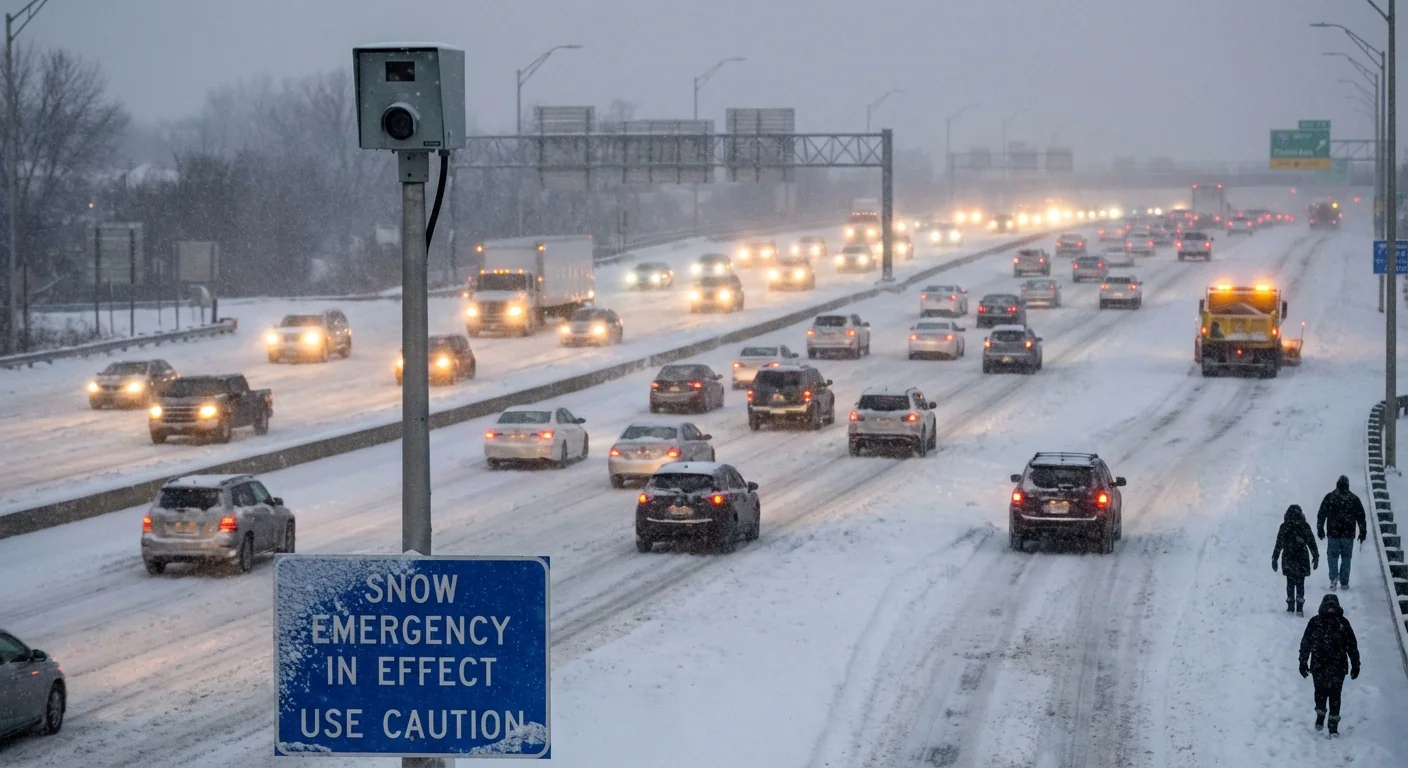
Gusty squalls are cutting visibility on open stretches. Bridges and overpasses are icing first. That thin clear glaze, often called black ice, is forming even behind plows. Expect reduced speeds, rolling closures, and sudden slowdowns. Most crews are prioritizing interstates, then major arterials. Neighborhood streets will lag until snowfall rates ease.
Avoid non essential travel until snow emergencies are lifted. If you are already out, slow down, increase space, and keep headlights on.
What to expect if you must drive
Plow managers tell me they are salting and pre wetting with brine to speed melting. But the air is near freezing, and snowfall is steady. That is the hardest setup for crews. Treatments work, then fresh powder hides the ice again. Wind creates drifts at interchanges and along sound walls. Do not pass plows. Give them room to work.
Get reliable live updates
Use official tools before you decide to go. These feeds are updating minute by minute and show lane conditions in real time:
- Your state 511 site or app for maps, cameras, and incident alerts
- DOT highway cameras for a live look at pavement and visibility
- NWS winter advisories and snowfall rates for your county
- Local emergency management for snow emergency levels and changes
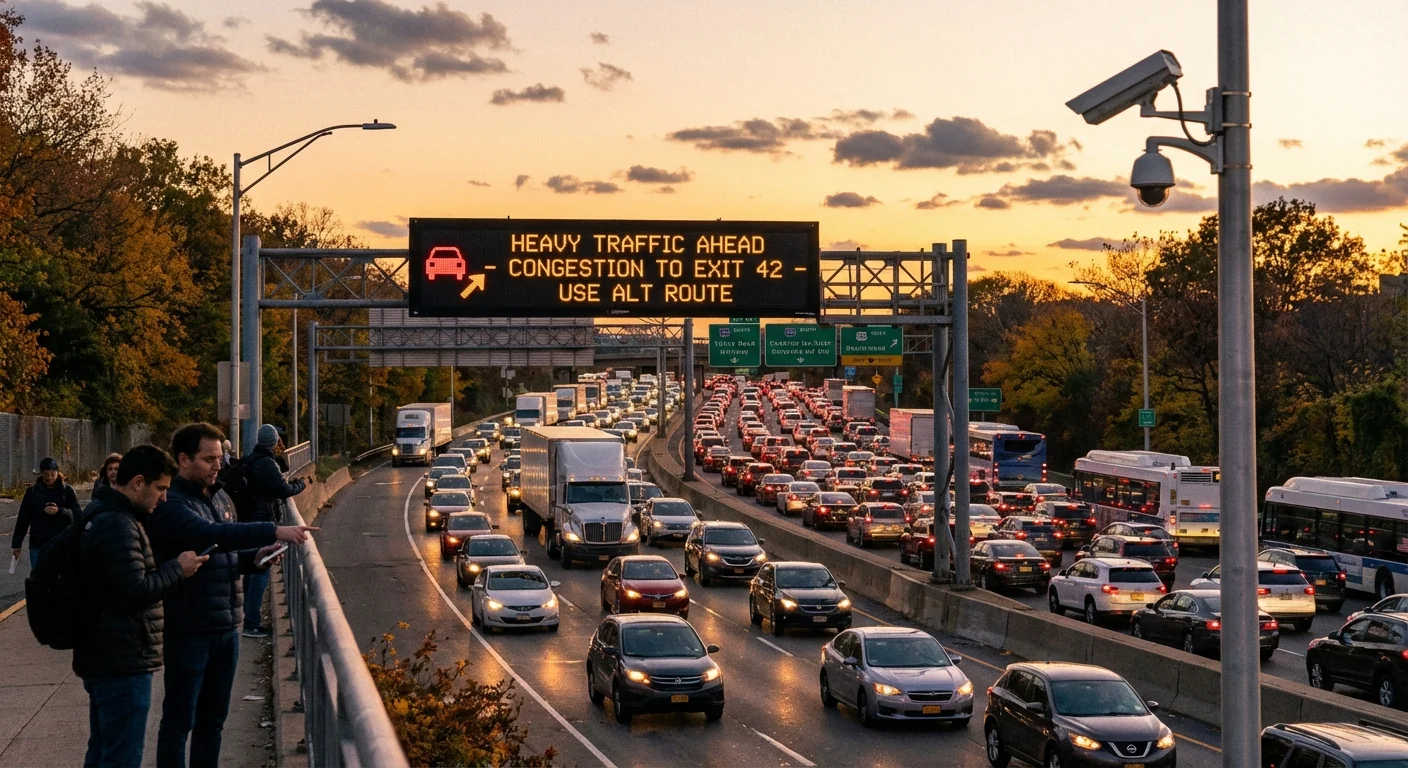
If you must drive, keep your tank at least half full, pack warm layers, water, a phone charger, and a small shovel.
How to read snow emergency notices
Ohio counties use a simple level system. It is meant to keep roads clear for plows and first responders.
- Level 1, Roads are hazardous. Drive with caution. Leave extra time.
- Level 2, Only drive if necessary. Many crashes and slide offs are happening.
- Level 3, Emergency travel only. You can face penalties for non emergency travel.
If your county is at Level 2 or Level 3, the safest choice is to stay put. Employers often align with these levels. Check your local guidance before heading out.
Why this storm is so tricky
This band is classic Great Lakes winter weather. Cold air moving over warmer lake water adds moisture to the clouds. That boosts snowfall rates, especially along interstates that run west to east. Climate science shows the lakes are staying warmer longer into winter. That adds fuel for heavier bursts of snow when cold air arrives. We are also seeing more frequent swings around 32 degrees. That flip between heavy wet snow and refreeze makes ice more likely on plowed pavement.
The sustainability piece
Salt keeps people safe, but it has a cost. Chloride from road salt washes into creeks and rivers. It stresses fish, harms plants, and corrodes bridges and cars. Crews are using more brine and smarter routing to cut use. New mixes include beet juice and other additives that help salt stick to the road. You can help too. Skip non essential trips and combine errands. Fewer cars mean fewer crashes, shorter plow cycles, and less salt spread.
Staying off the road today is both a safety choice and a climate choice. It reduces crashes, idling, and salt use.
Bottom line
Right now, roads are snow covered in many areas, and ice is hiding under fresh powder. Interstates will improve first, but drifting and refreeze will keep danger high through tonight. Check your 511 map and county notices before you go. If you have a choice, wait for crews to catch up and for levels to drop. Winter Storm Fern will move on, and the cleanest, safest miles are the ones you do not have to drive today. Stay safe, stay warm, and let the plows work.