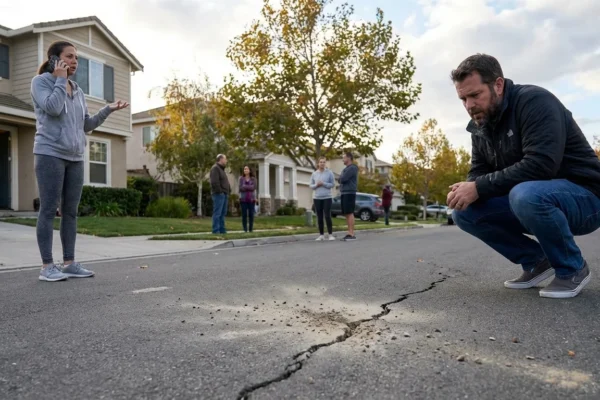
A jolt just caught Central America’s attention. I am tracking a fresh seismic-like event near San José, Costa Rica. People felt a quick shake, then a pause as the ground settled. Details are still forming. This is the moment to confirm, not guess, and to act with calm focus.
What we know right now
Early seismic monitors point to a short burst of ground motion near the Costa Rican capital. Readings like these can look messy at first. Magnitude, depth, and exact location often shift in the first hour. That is normal. It reflects new data as more stations weigh in.
Three days ago, a magnitude 6.0 earthquake struck off the Oregon coast near Bandon. There was no tsunami expected. That event did not aim energy at land. Still, it reminded the region that the Pacific Rim is awake.
If you are wondering whether this morning’s shaking was near you, verify it quickly using official feeds. Phones vibrate. Apps ping. Rumors spread. Facts should lead.
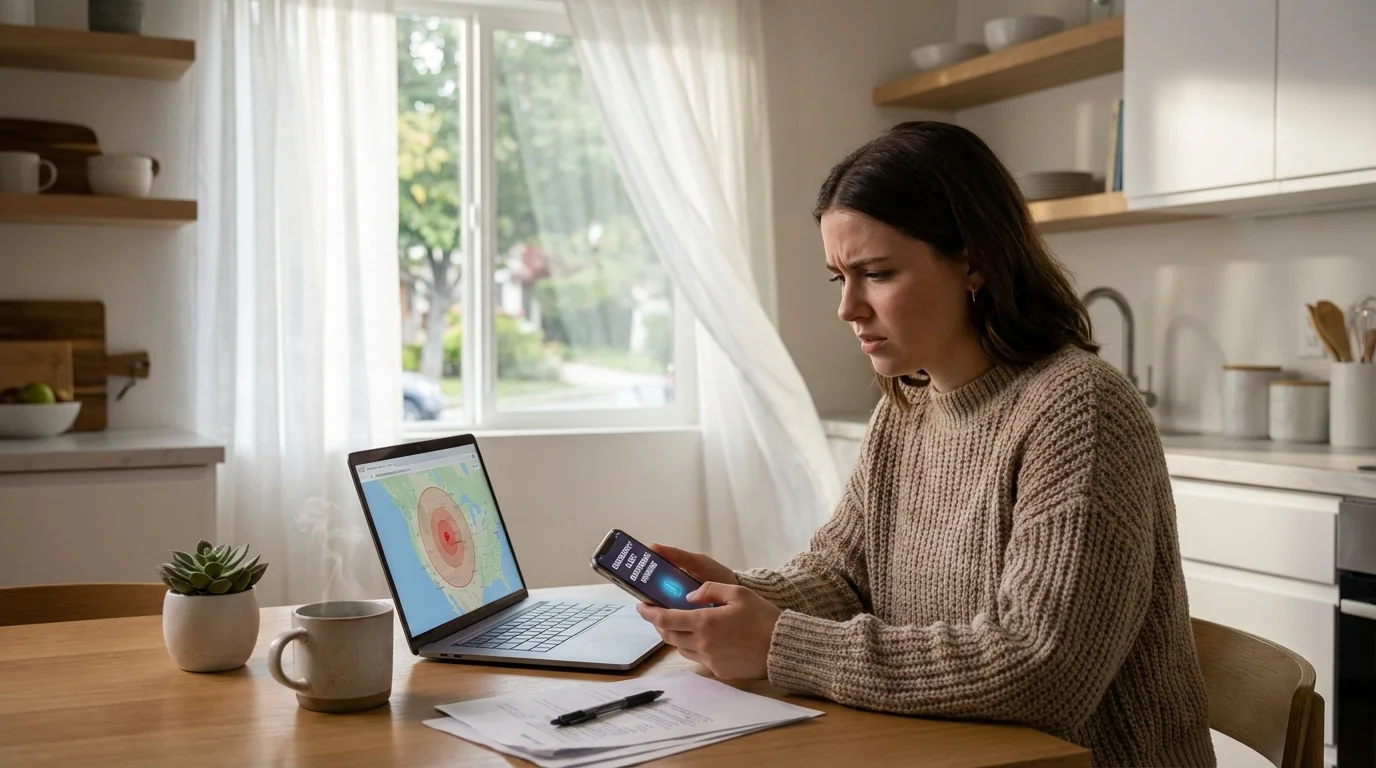
Expect revisions in the first minutes. Do not lock onto the first magnitude you see.
The climate and hazard picture
Earthquakes start in the crust, not the climate. Faults slip when stress overcomes friction. That said, our changing climate can amplify what follows. Heavy rains load hillsides. Saturated soils fail faster. A moderate quake after a wet week can trigger landslides that block roads and rivers.
Coastal zones face compound risks. Offshore quakes can set off tsunamis. Warmer oceans raise baseline sea levels, which lets tsunami waves reach farther inland. Even when no tsunami is expected, strong shaking near soft, waterlogged ground can cause liquefaction. Buildings then tilt. Pipes snap. Recovery takes longer.
In Oregon, the offshore jolt this week happened near the Juan de Fuca plate. In Costa Rica, the Cocos plate dives beneath the Caribbean plate. Different subduction zones, similar lessons. Prepared communities bounce back faster. Clear data helps everyone move smartly.
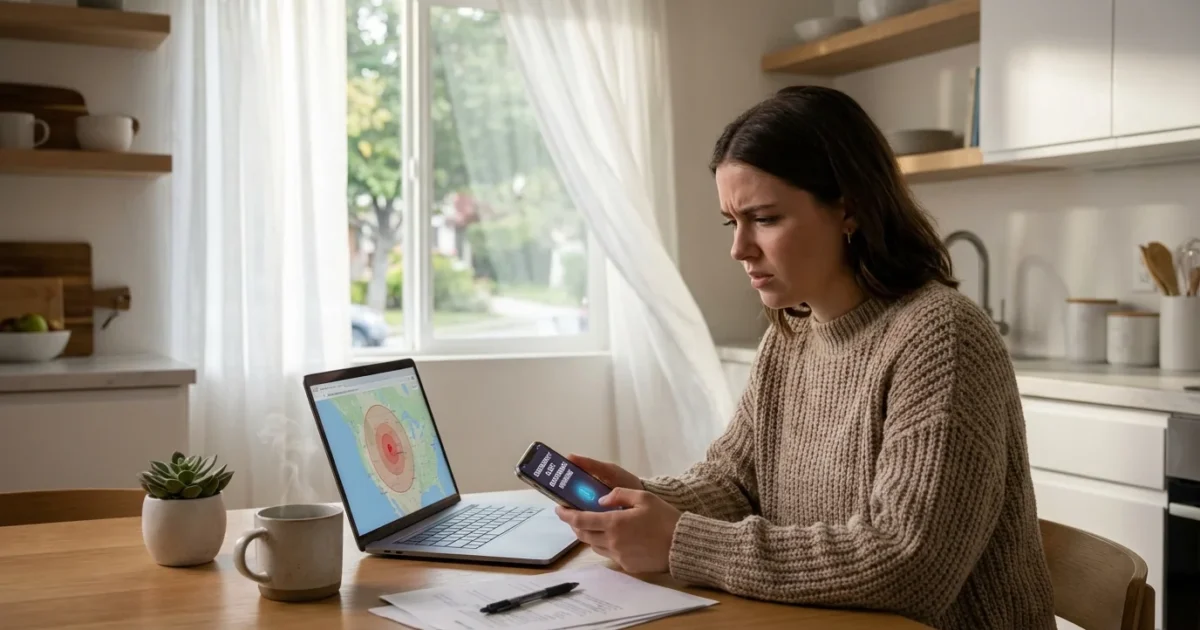
How to verify an "earthquake near me" alert
When you feel a shake or see an alert, check it fast and in order. Time matters more than endless scrolling.
- Open your national or regional seismic network app or site, like USGS or your local observatory.
- Confirm the time, epicenter, and magnitude. Look for depth and “reviewed” status.
- Check for tsunami messages if the quake was offshore and felt strong along the coast.
- Recheck after 10 to 20 minutes. Numbers often update as more stations report.
Your device location controls what “near me” means. If location is off, results can point you miles away. Keep location services on for hazard apps. Save your home and work addresses in alert settings to cut confusion.
Reading the early data
Small quakes may crowd each other on the map. Aftershocks line up along the main fault. Depth matters. Shallow quakes tend to feel sharper. Deep ones can be wide but softer. Trust “automatic” labels less than “reviewed” labels. A human analyst makes the latter stronger.
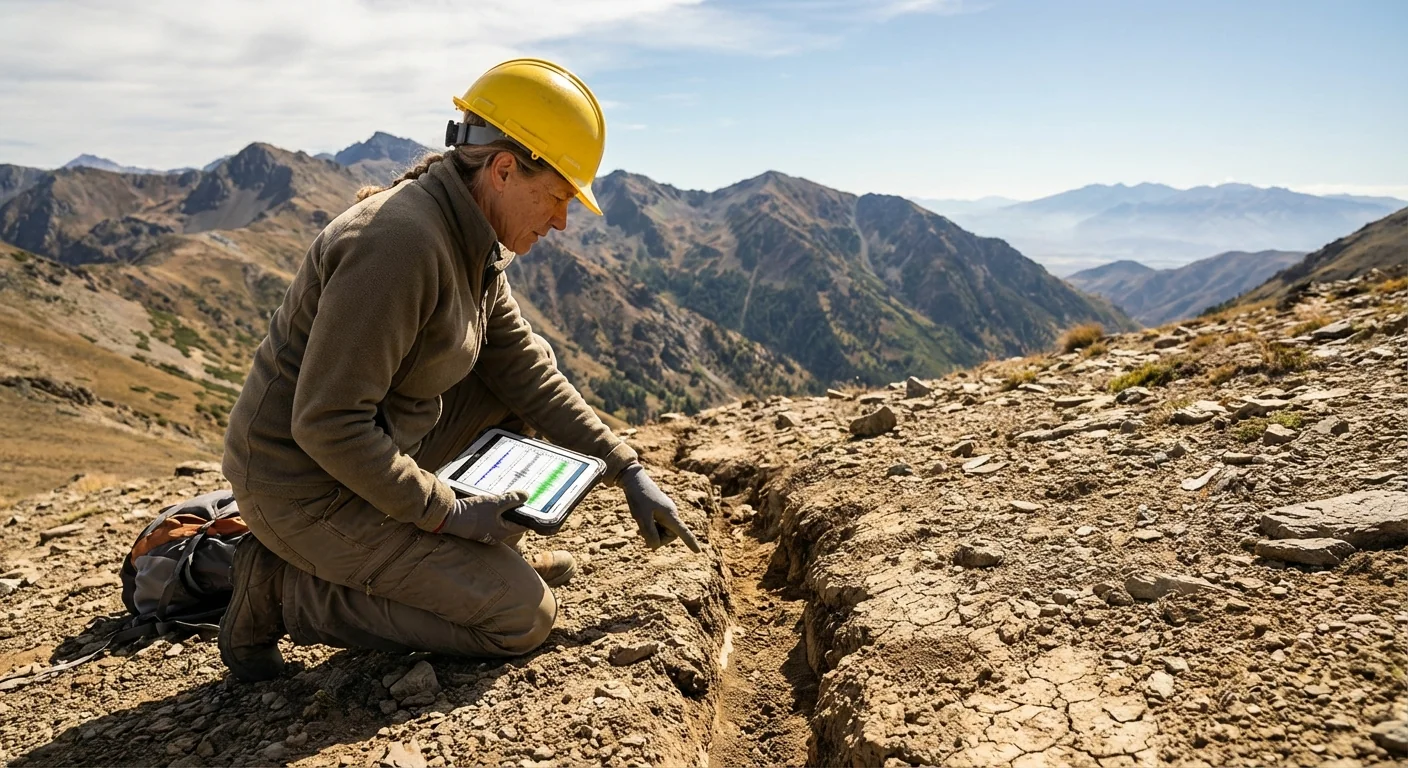
Safety first, then sustainability
If you feel shaking, drop, cover, and hold on. Stay away from windows and heavy furniture. In a car, pull over and stop. In a coastal zone after strong offshore shaking, move to higher ground. Do not wait for a siren.
Do not run outside during shaking. Falling glass and debris are the top injury risks in cities.
Strong ground motion can knock out power. Solar plus batteries, or neighborhood microgrids, can keep lights and fridges on. That is not just comfort. Cold storage protects medicines and food. Efficient buildings ride out outages better. Well anchored water heaters prevent gas leaks and fire.
A quick resilience check today can pay off tomorrow:
- Secure tall bookshelves and TVs to studs
- Strap water heaters and know the gas shutoff
- Store water for three days, at least one gallon per person per day
- Keep a flashlight, a battery radio, and a first aid kit
Why this moment matters
Today’s shake near San José is a reminder, not a surprise. The plates keep moving. The Pacific keeps flexing. That Oregon quake earlier this week was another signal in the same story. We live with faults, storms, and rising seas. Our edge is speed, science, and preparation.
Close with action. Confirm the event on official feeds. Take two minutes to update alerts. Walk your home for quick fixes. Talk with your family about where to meet. Climate change can raise the stakes on the impacts we feel after the ground moves. Smart preparation lowers them.