BREAKING: Earthquake now is not just a headline tonight. It is a live reality for coastal communities from the North Pacific to the Mediterranean. I am tracking a surge of aftershocks in northern Japan after Sunday’s powerful offshore quake. Early warning systems are active. Sirens have gone quiet in most places, but the risk picture is shifting.
What is happening now
A magnitude 7.5 earthquake struck off Aomori, Japan, late Sunday local time. Tsunami warnings went up fast and were later downgraded. The largest waves reported were under a meter. Injuries were limited. Power and rail lines were disrupted in spots, then restored. Aftershocks are still rolling through the region and will continue.
Japan’s meteorological officials have also issued a rare, forward‑looking scenario for a much larger event near Hokkaido. It reflects a low chance, but very high impact. The aim is simple. Move people to prepare for strong shaking and possible tsunamis across long stretches of coast.
In the United States, a false alert last week told some California and Nevada residents to brace for a strong quake that never came. That message was wrong. It was quickly withdrawn. Engineers are now reviewing how that happened. Public trust is the backbone of early warnings. It must be earned every day.
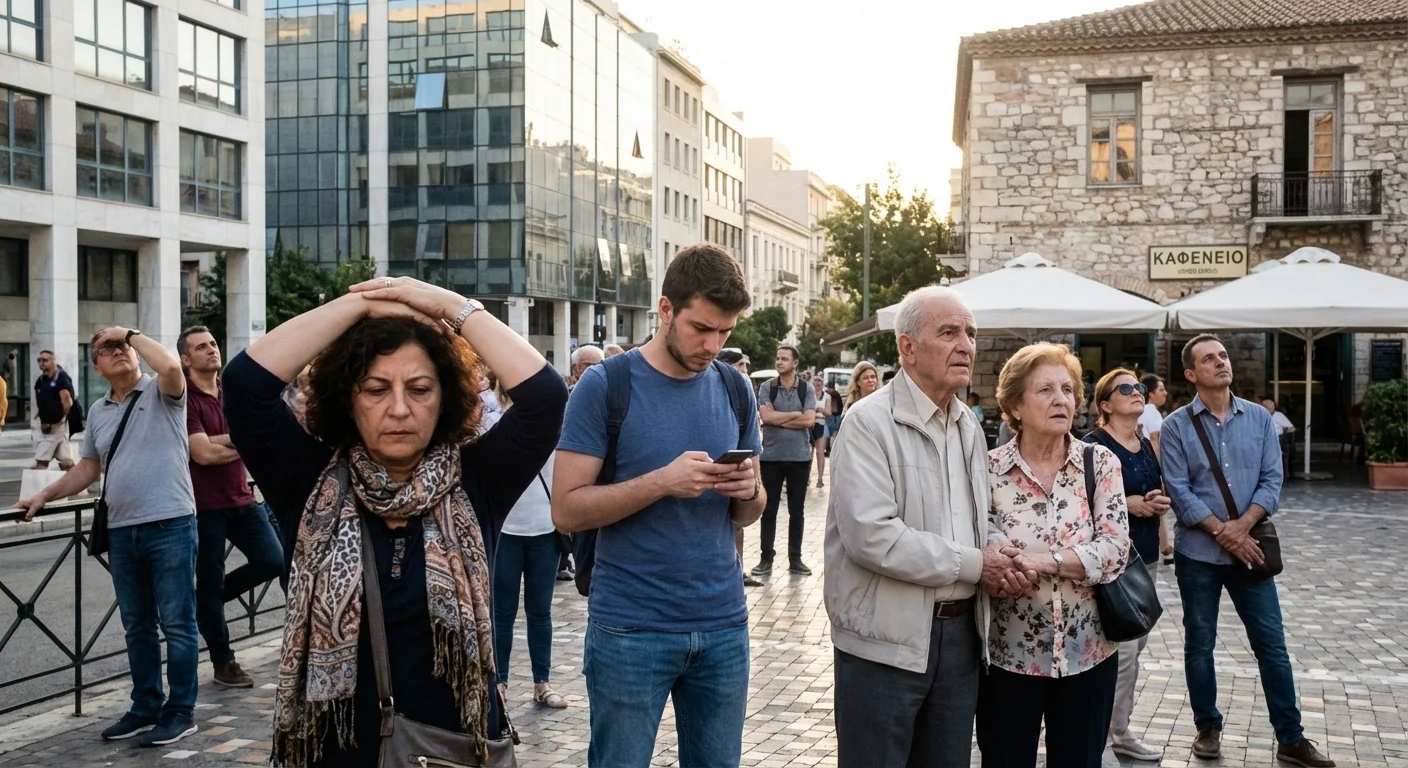
Across the Mediterranean, seismic networks remain on watch. Greece, Turkey, and Italy sit on active faults. People there live with frequent tremors and rely on quick, clear alerts. Preparedness is a daily habit, not a headline.
Why climate and weather conditions matter
Tectonic plates cause earthquakes. Climate change does not. But climate change can make the damage worse. Rising seas raise the baseline for tsunami flooding. A wave that once stayed at the quay can now reach the first street.
Extreme rain soaks hillsides. Shaking after heavy storms can trigger larger landslides. Heat waves strain power grids and hospitals. Wildfire scars make slopes unstable, so even moderate shaking can send debris downhill. Coastal storms complicate evacuations and search efforts. The chain of risk grows longer.
This is why climate and seismic planning must work together. Evacuation routes need to account for higher water. Shelters need clean air and backup power. Ports need seawalls that handle higher tides and stronger surges. The goal is not only to survive the first minutes. It is to recover faster and cleaner.
Rising seas and heavier rain do not cause quakes, but they can turn a bad day into a disaster. Plan for both.
The early warning test, strengths and limits
Japan’s nationwide alert system did what it was built to do. It sensed the first waves of motion and pushed warnings in seconds. That gave trains and factories a small head start. Those seconds save lives.
Phone‑based alerts now cover much of the world. Some are run by national agencies. Some use smartphone sensors to extend coverage. They fill gaps where stations are sparse. They also bring new challenges. Software can misfire. Magnitudes can come in low or high in the first moments. Not every alert will match what people feel.
Trust grows when alerts are fast, accurate, and rare. It breaks when false alarms ripple through a community. The fix is not to send fewer alerts. The fix is better filtering, clear wording, and steady public training. People need to know what the tone means, what to do, and when to move.

Turn on earthquake alerts on your phone and set Do Not Disturb exceptions for them. Seconds matter.
What to do now
If you live in a quake zone, act like today is a drill. Simple steps help.
- Secure heavy furniture and gas appliances.
- Keep water, a flashlight, and basic first aid ready.
- Know two evacuation routes to high ground if you are near the coast.
- Practice Drop, Cover, and Hold On with your family.
Cities have work too. Retrofit older buildings. Upgrade bridges and water mains. Use clean backup power, like solar plus batteries, to keep clinics and shelters open when the grid fails. Build smarter, not just stronger.
Aftershocks can be strong. Stay away from damaged buildings and steep slopes until officials clear them.