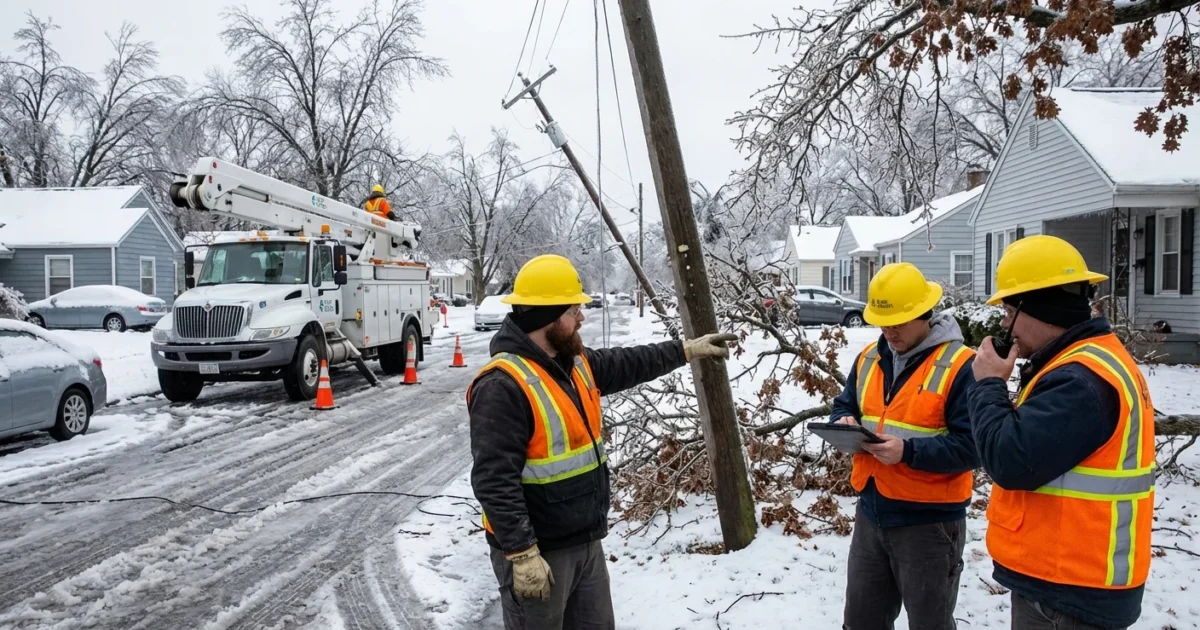
Ice is glazing the Carolinas right now, and the lights are going out. Freezing rain is snapping limbs, dropping ice sheets from lines, and cutting power across Duke Energy’s service area. I am tracking widespread outages and a surge in downed trees as the storm intensifies. Restoration will be uneven until icing eases and roads are safe for crews. If you wake to a dark home, you are not alone. ❄️
What is happening now
A classic ice storm setup is in place. Shallow cold air sits at the surface. A warmer layer rides above it. Rain falls through the warm layer, then freezes on contact with the ground, trees, and wires. That glaze adds heavy weight in minutes. Limbs bend, then break. Lines sag, then fail. Wind gusts are making it worse, shaking ice-laden trees into live equipment.
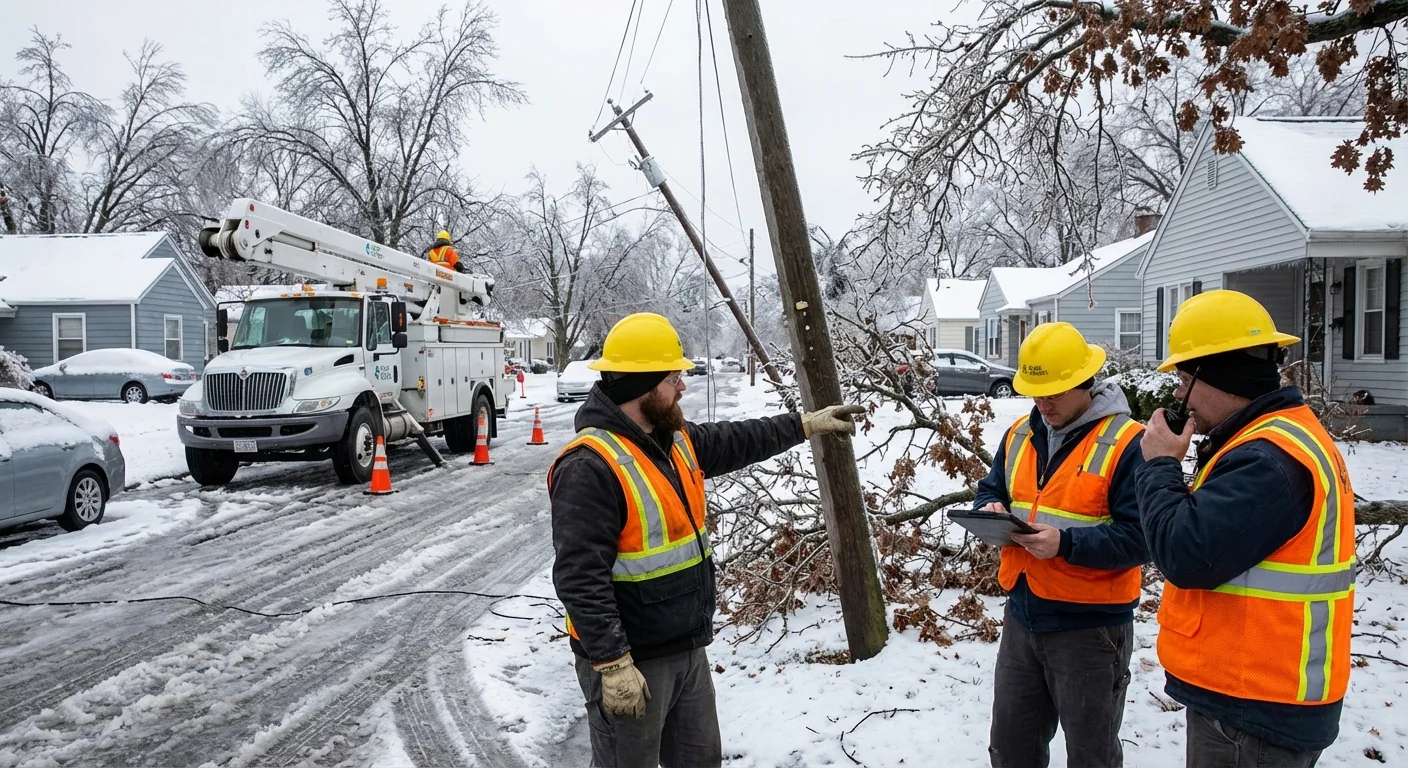
In this phase, repairs move slowly. Many damage sites are still forming. Crews cannot climb or raise buckets under falling ice and active line hazards. Expect estimated restoration times to shift. Stabilization comes first, then the work scales up quickly as conditions improve. Patience now helps speed later.
Track and report outages, what to expect
Duke Energy’s outage map and mobile app are updating in near real time. You can also report by phone if connectivity is spotty. If the map shows a crew assigned, remember that access can take time. Ice, blocked streets, and continuing limb fall can delay arrival.
Neighborhoods with broken poles or multiple spans down will take longer. Substation or feeder issues can affect thousands at once, then resolve all at once when a fix lands. Smaller taps may wait until major hazards are cleared. That triage is standard in winter storms. Hospitals, water plants, and public safety sites get priority, then the largest groups of customers.
Charge phones now, enable outage alerts in the app, and keep a small battery pack handy. Keep refrigerators closed to stretch cold.
Safety first in the dark
This is the moment when preventable injuries happen. Keep a wide berth around any fallen line or limb touching a line. The ground around it can be energized. Assume every wire is live, even if the lights are out on your block.
Never run a generator in a garage or indoors. Place it outside, 20 feet from doors and windows. Use battery CO alarms and check their power. Carbon monoxide is odorless and deadly.
Avoid using gas ovens for heat. Do not bring grills inside. Candles raise fire risk, so use flashlights instead. If you must drive, treat dark intersections like four-way stops. Bridges and overpasses will ice first, and they ice fast.
If traffic signals are dark, stop fully, look both ways, and move slowly. Downed branches can hide wires. Turn back if the road looks blocked.
Take simple steps now to ride out the outage safely:
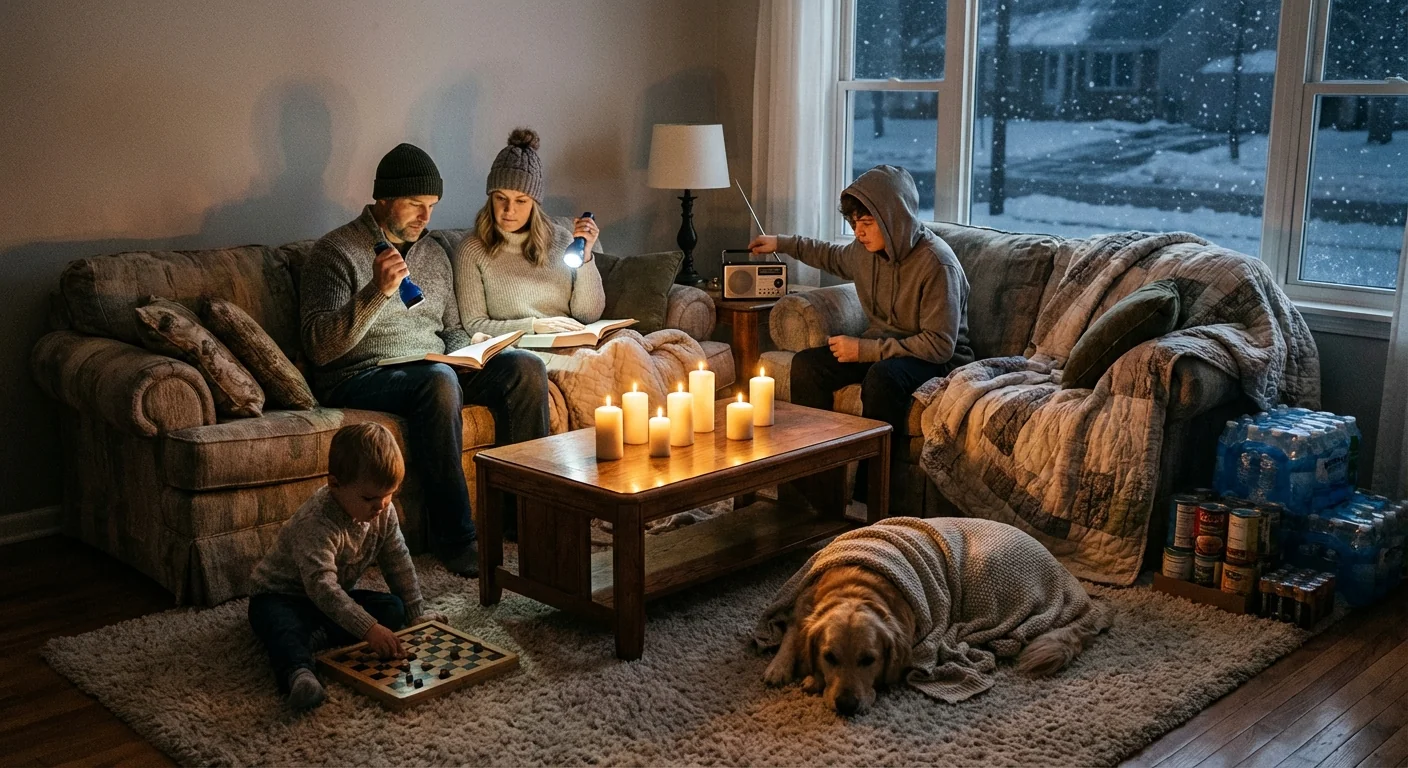
- Layer clothing, hats, and socks, and close interior doors to hold heat
- Gather flashlights, spare batteries, meds, and water where you can find them quickly
- Check on neighbors, especially older adults or those with medical devices
- Keep pets warm and indoors, and set up a safe sleeping area away from drafts
Why this ice storm hits so hard
Freezing rain is more damaging than snow. A half inch of ice can add hundreds of pounds to a single tree. Many Carolinas trees are already stressed by recent drought, heat, and pests, which makes limbs more likely to fail under glaze. Ice also coats every contact point, which compounds the weight. That is why you hear cracks in waves as the storm peaks.
Climate science adds a wider frame. Warmer winters load the atmosphere with more moisture. When a shallow cold layer hugs the ground, that moisture can fall as freezing rain instead of snow. Scientists are observing more mixed precipitation days in some transition zones, including parts of the Southeast. That means more storms like this, with higher outage risk and longer restoration windows.
Building resilience after the storm
Hardening the grid helps, and so do smart choices at home. Utilities are expanding tree clearance, replacing older poles, and, in select corridors, undergrounding lines. Communities can push for more climate ready trees, the right species in the right place, away from feeders. After today, consider a layered plan for next time.
Backup power does not need to be a gas generator. Portable battery stations, paired with a small solar panel, can keep phones, lights, and medical devices running without fumes. Weatherize doors and windows to hold heat longer. Heat pumps paired with good insulation reduce winter peak demand, which eases strain on the grid during ice events. Neighborhood microgrids and community solar with storage can keep critical sites online when the larger network fails.
This storm will pass, but the lesson is clear. Ice is the heavyweight of winter weather, and it is visiting more often. Keep safety first, give crews the space they need, and let us know where help is needed. I will keep tracking outages, restoration progress, and the next wave of weather as it develops. ⚠️ Stay warm, stay patient, and stay alert.