BREAKING: Green River Levee Breach Triggers Flash Flood Warning, Urgent Evacuations Across South King County
A dangerous situation is unfolding tonight along the Green River. A breach in the Desimone Levee in Tukwila has forced fast evacuations and a flash flood warning for parts of King County. Crews are working in shifting water and rain. They are placing large sandbags and heavy equipment to slow the flow. Officials report no injuries so far. The system is partially contained, but it remains unstable. ⚠️
Urgent Evacuations as Levee Breaches
I can confirm that the levee gave way on December 15 after days of record rain. The National Weather Service issued a flash flood warning for communities along the Green River. The initial evacuation zone covered sections of Tukwila, Kent, Renton, and Auburn. At the peak, as many as 47,000 people were in the warning area. That number has since narrowed to thousands, not tens of thousands, as crews carved down the risk. Roads in low areas may close with little notice. Water can rise fast. If you are in the warned zone, leave now and head to higher ground.
If you live east of the Green River between Tukwila and Auburn, follow local alerts and evacuate if told. Do not drive through water. Turn around, find another route.
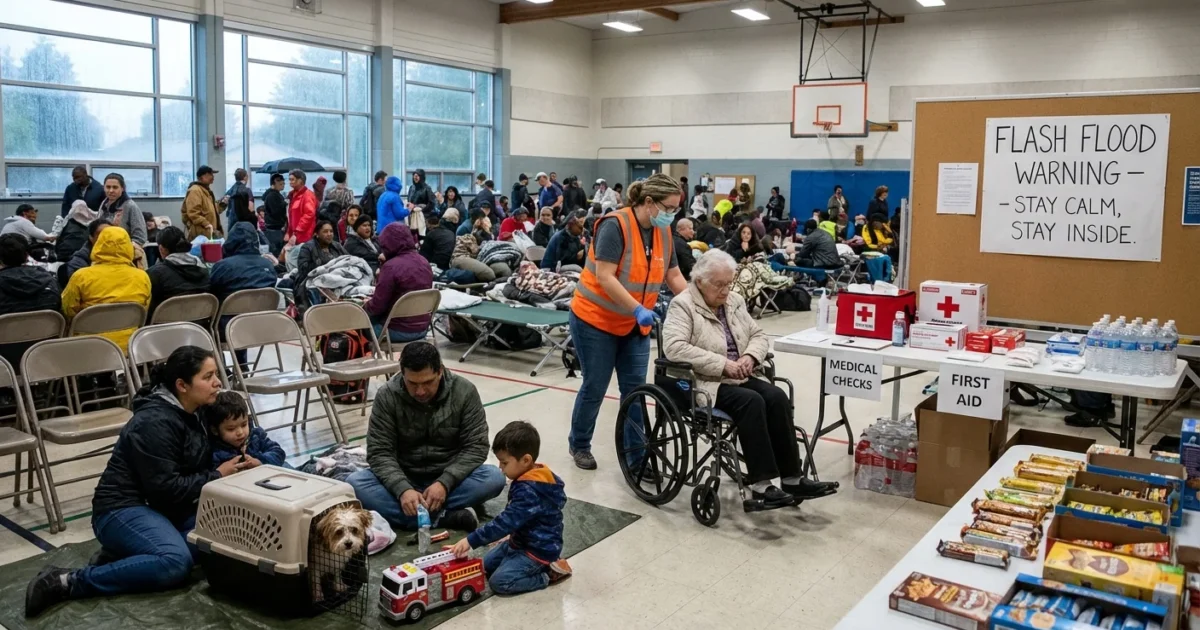
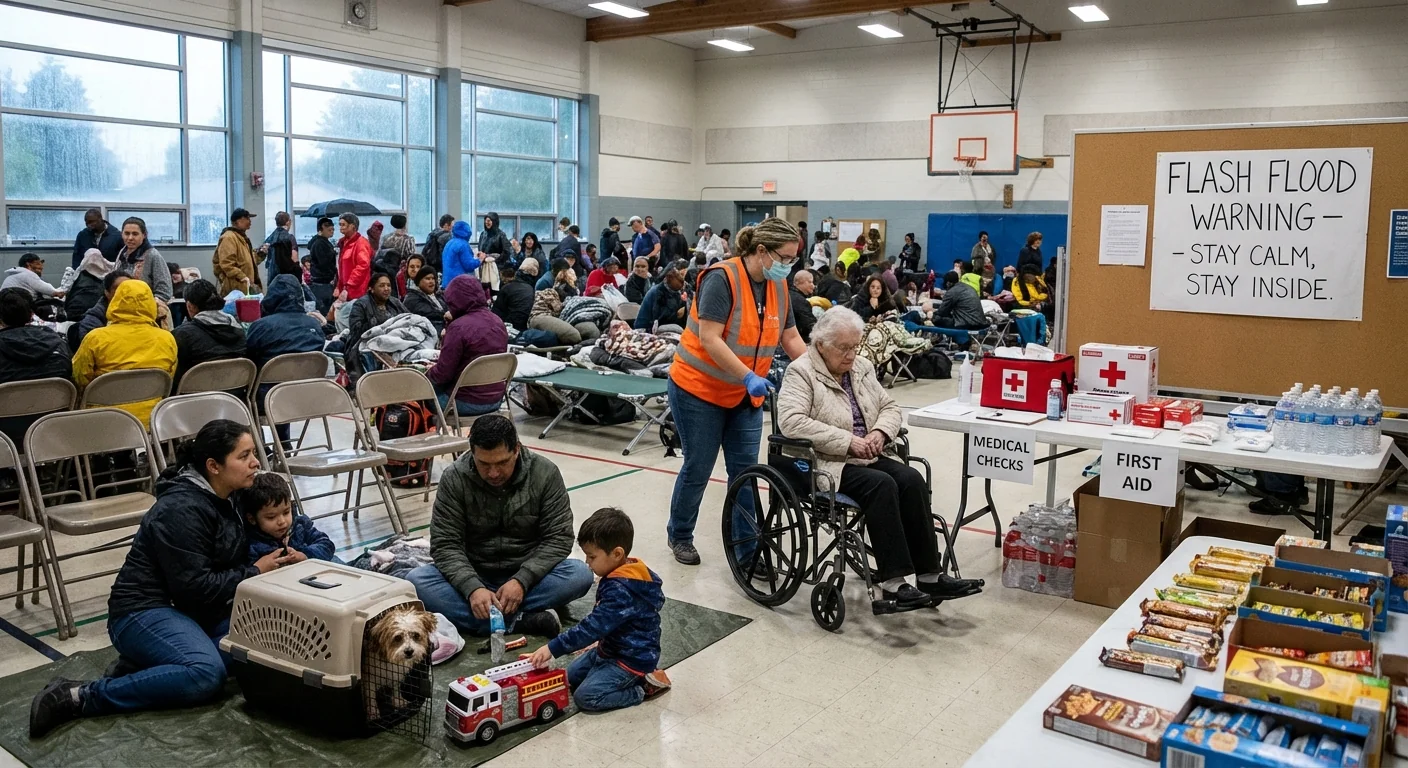
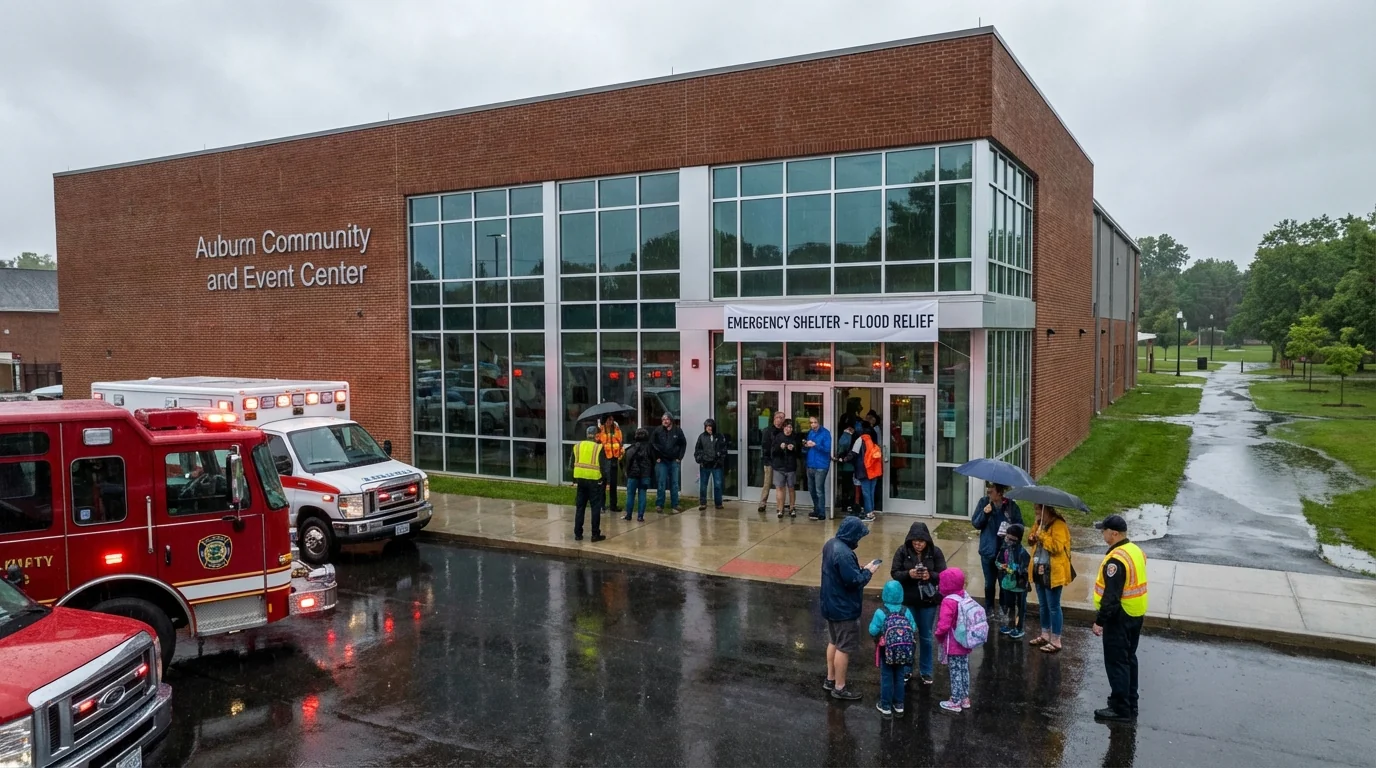
Shelters are open and taking evacuees. The Auburn Community and Event Center is receiving families. The Ray of Hope Shelter is assisting people with limited mobility and those without housing. Staff on site report steady arrivals, calm coordination, and quick medical checks. Pets are being accepted at select facilities with crates.
Atmospheric River Supercharges Green River
The trigger is a powerful atmospheric river that parked over the region for days. Warm air pulled deep moisture from the Pacific and dropped it over the Puget Sound lowlands. Soils are saturated. Small streams have spilled into streets and fields. The Green River climbed to flood stages that test older levee walls and weak points.
Climate change adds heat to the air and ocean. Warmer air holds more water, like a bigger sponge. That means stronger rain bands when storms hit. These intense rivers in the sky are now dumping more water in shorter bursts. Engineers can design for storms, but those storms are changing fast. That is the story today on the Green.
A Warning Shot for Levee Infrastructure
The Desimone Levee has a history of damage. Full repairs were planned for later this decade, with work not slated to finish until 2031. That timeline now looks painfully long. Today’s breach shows the cost of delay, and the strain on aging flood defenses in a warming climate.
Partial containment is not a fix. The levee remains compromised. Reinforcements reduce risk, they do not remove it. Stay ready to leave.
This is not only a local crisis. It is a test of how we protect people and jobs along urban rivers. Warehouses and neighborhoods sit close to the water, by design. As extreme rain becomes more common, we need wider buffers, raised roads, and greener floodplains. Restored side channels and setback levees can lower peak flows. That reduces pressure on walls like Desimone.
Crews Race the Clock
On the riverbank, the work is urgent and muddy. Crews are stacking ultra large sandbags into a temporary plug. Excavators are shaping rock and soil to slow the breach. Engineers are watching pressure on the remaining sections every hour. Deputies are going door to door to clear holdouts. The goal is simple, keep water out of homes and factories, and keep people safe.
Shelters and support services are active:
- Auburn Community and Event Center
- Ray of Hope Shelter
- Additional city sites listed in official alerts
Pack light if you evacuate. Bring medication, ID, chargers, warm layers, and pet supplies. Lock your home and tell a neighbor where you are going.
What to Expect in the Next 24 Hours
Showers will continue at times. Any lull can change quickly with new bands of rain. River levels may bounce as runoff from upstream arrives. The warning will be updated as crews reinforce the levee and as water falls. Expect road closures near low crossings and underpasses. Keep gas in your car and devices charged. Stay away from the river edge. Banks can collapse without warning.
Floodwater is contaminated. Avoid contact. Keep kids and pets out of standing water.
Conclusion
This is a life safety event and a climate wake up call. The Green River is telling us two truths. First, move when told, because water wins the race. Second, build for the storms we have now, not the ones we had decades ago. Tonight, crews hold the line. In the days ahead, we must raise it.