Breaking Now: Dangerous Cold Grips Chicago
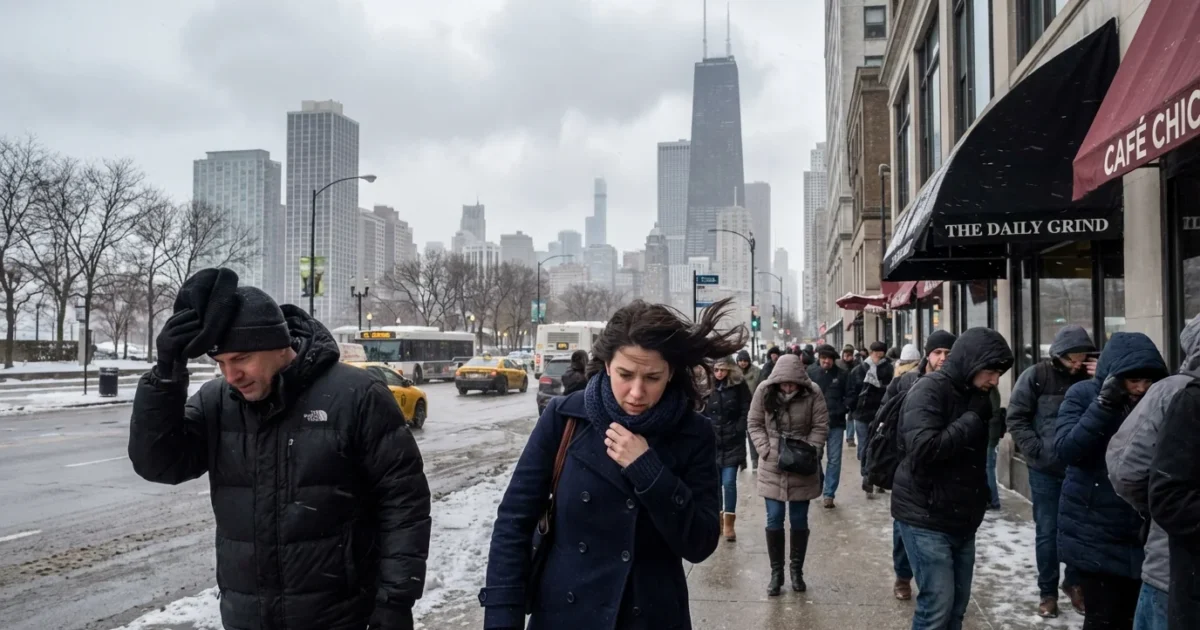
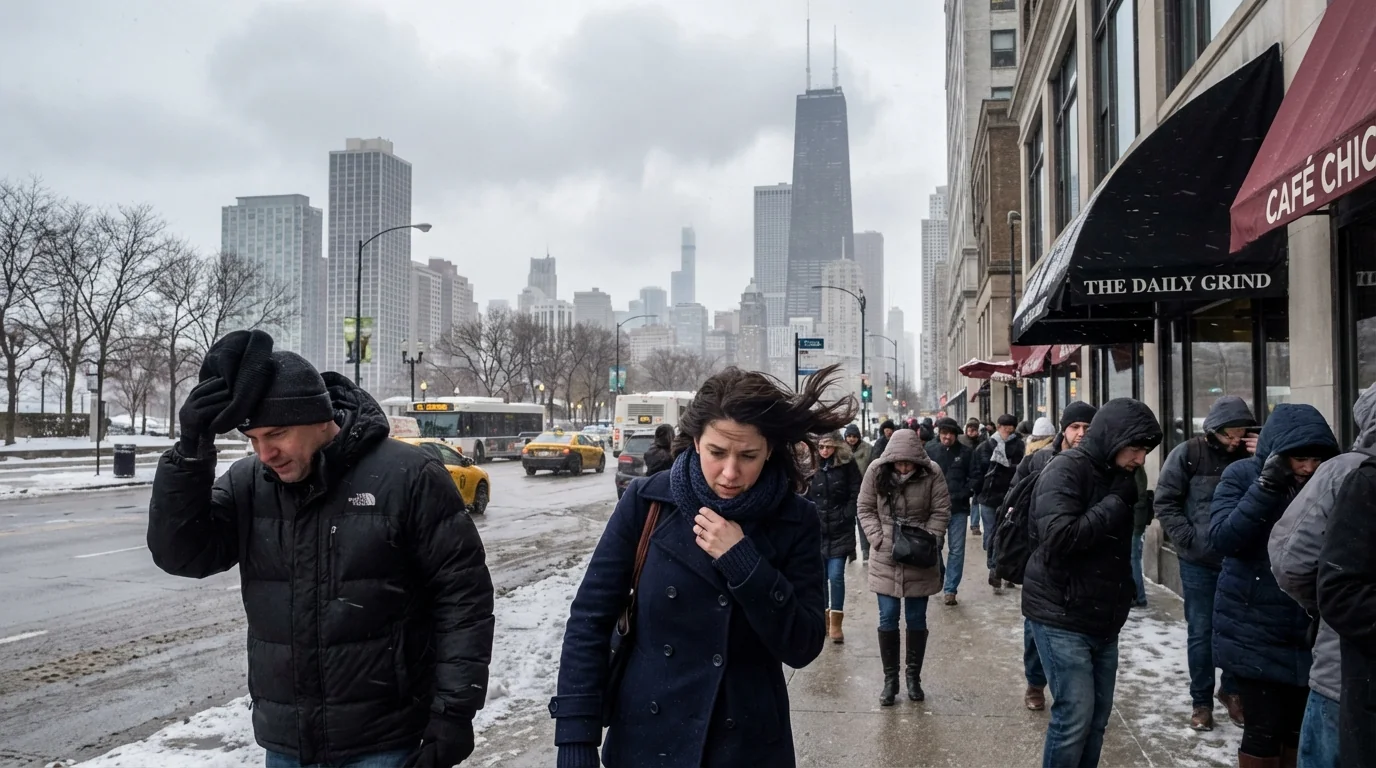
Chicago is locking into a hard freeze tonight and Sunday. I am tracking bitter wind chills and pockets of snow across the region. A Cold Weather Advisory is in effect. Wind chills will plunge to near minus 25 in some locations Sunday morning. Light snow has already glazed roads, with slick spots on bridges, exit ramps, and untreated streets. This burst of winter is sharp, fast, and dangerous.
If you have early plans, build in extra time. Dress for extreme wind. Cover skin. Keep travel flexible and check updates often.
What Is Driving This Arctic Blast
A deep pool of Arctic air has dropped south into the Midwest. The jet stream has dipped, opening a path for the cold to flood in. Gusty winds are pulling heat away from exposed skin, which is why wind chill matters so much. Passing snow bands are adding trouble on the roads.
Chicago knows cold. But swings like this are becoming more common. A warming Arctic can weaken the temperature contrast that helps steady the jet stream. That can allow bigger meanders, which sometimes send frigid air into the Great Lakes. Our winters overall are warming, with less ice and more winter rain. Yet intense cold snaps still break through, and when they do, the wind makes them bite.
Frostbite can develop in 30 minutes or less with wind chills near minus 25. Limit time outside, keep skin covered, and watch for numbness or white patches on fingers, ears, and nose.
Travel and Sunday Plans, Including the Bears Game
Expect variable bursts of light snow, low visibility at times, and slick surfaces. Some roads will look wet but are icy. Side streets and alleys are slow to clear. Public transit will run in severe cold, but equipment can struggle, so plan for delays and crowded platforms.
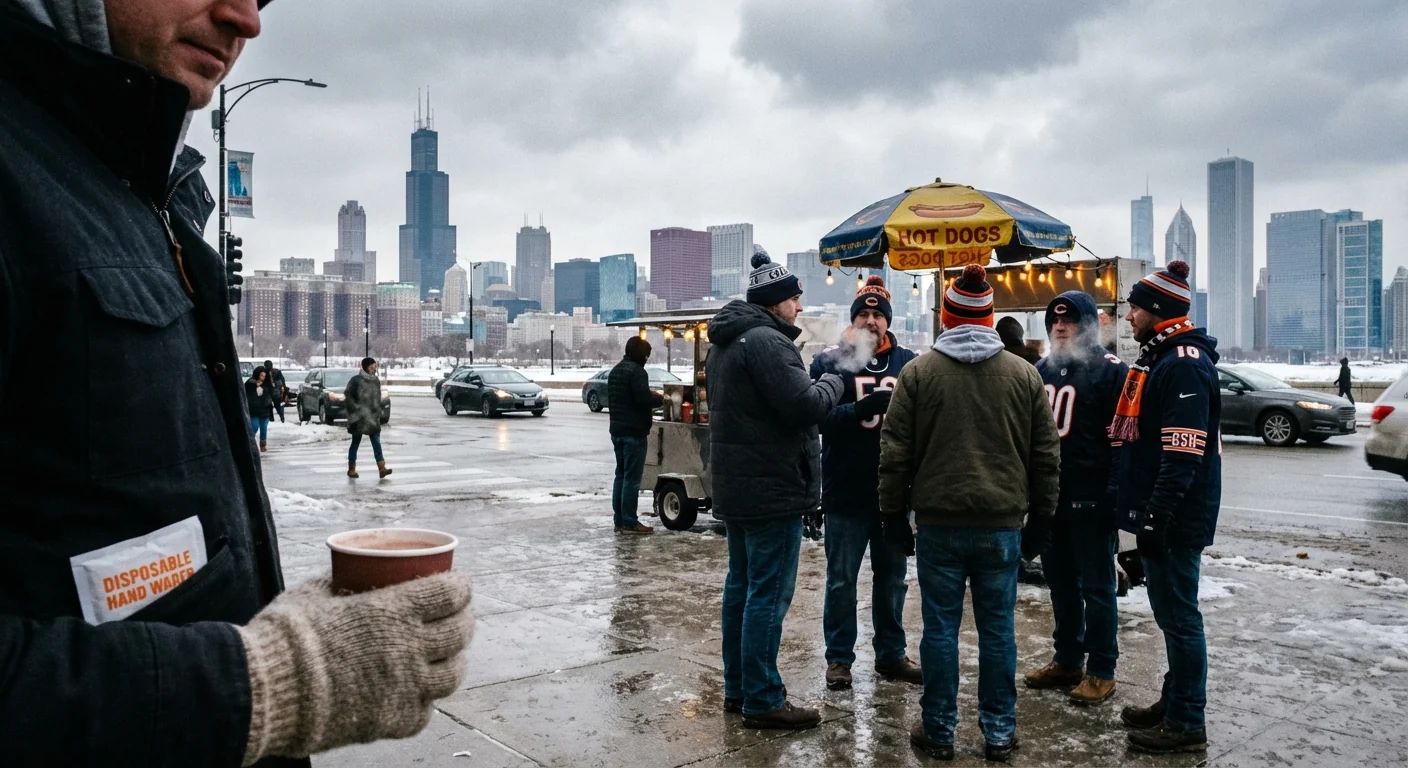
If you are heading to the Bears game, you will be facing an open, wind swept environment. Stadium surfaces can be icy and seats hold cold. Warm slowly, not quickly, when you get indoors after the game. Keep hand and toe warmers ready. Hydrate, even in cold, since dry air and layers can dehydrate you.
Safety First, Simple Steps That Work
Give yourself options. Travel during daylight if you can. Share your route with someone and keep your phone charged. If you must drive, go slow and leave space. Black ice favors ramps, bridges, and intersections.
- Dress in layers, moisture wicking base, insulating middle, windproof outer, and cover head, face, and hands
- Wear insulated boots with traction, and keep dry socks on hand
- Bring a winter car kit, scraper, blanket, snacks, water, and a small shovel
- Check on neighbors, older adults, and anyone without steady heat
Ease the strain on the grid. Lower your thermostat one or two degrees if safe, seal drafts with towels, close blinds at night to hold heat, and run large appliances during off peak hours.
There is an environmental cost to storm response. Road salt keeps us moving, but it washes into rivers and harms fish and freshwater life. Use salt sparingly on sidewalks, scatter not pour. Shovel early to break the bond with ice. Sand or grit adds traction without the chloride load.
If you rely on space heaters, keep a three foot safety zone, plug them directly into a wall outlet, and never run one while you sleep. Carbon monoxide risk rises in deep cold. Check your detector and keep vents clear of snow.