A deep freeze has gripped Minnesota and the Upper Midwest tonight, and the woods are loud. People are hearing sharp pops and booms in the darkness. The phrase exploding trees is racing through neighborhoods. Here is the truth. Trees are not detonating. They are cracking under a rapid chill, and the ground may be booming too. The sound is real. The science is clear.
What you are hearing right now
This Arctic air arrived fast. Temperatures plunged in hours, not days. When that happens, trees do not have time to adjust. Moisture inside the wood can freeze and expand. The bark is colder than the inner wood. Tension builds. Then it releases with a sudden pop.
The result is a long, vertical split in the bark, called a frost crack. It can run several feet. It is dramatic to see at dawn. It is even more dramatic to hear at 2 a.m. But it is not a Hollywood explosion. The trunk stays intact in almost every case.
[IMAGE_1]
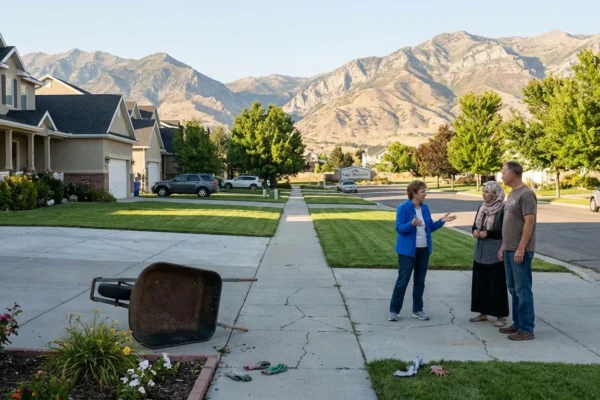
Give cracking trees space. Do not stand under stressed limbs during subzero nights and mornings.
What is happening inside the tree
Think of a tree like a bundle of straws. Sap moves through those tiny tubes. Water expands when it freezes. Under a fast drop to subzero, that expansion happens unevenly. The outer layer cools first. The inner layer lags behind. That mismatch creates pressure. The bark can split with a gunshot sound.
Some species are more likely to crack. Young maples and fruit trees are common cases. Older trees with past cracks may split again in the same line. The wound often seals on its own when spring sap flows. A clean frost crack does not mean the tree is lost. It does mean the tree is stressed.
Or, it was not the tree at all
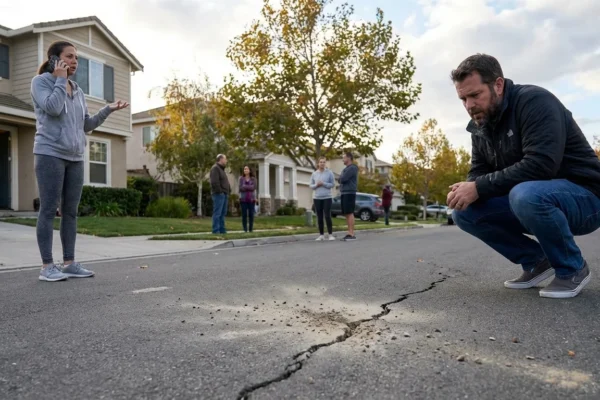
The ground can boom too. During intense cold, moist soil can freeze and shift fast. That sudden movement is a frost quake, also called a cryoseism. It can sound like a blast. It can rattle windows. Sound carries far in dense, cold air. A boom from a field or riverbank can echo into town.
How to tell the difference, in simple terms:
- A frost crack usually leaves a vertical split in bark.
- A frost quake leaves no tree damage, but you may find fresh ground fissures or lifted ice.
- Tree pops often repeat on the same trunk as it cools and warms.
- Frost quakes are more likely near wetlands, lakes, or shallow bedrock.
[IMAGE_2]
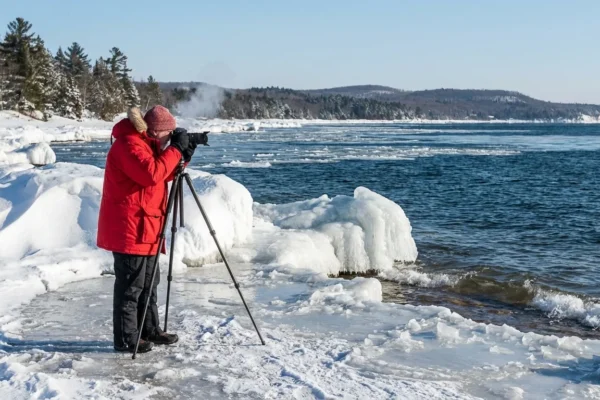
Cold air carries sound. The boom you hear may not be from your yard at all.
Safety first, without the panic
These sounds are spooky. The real risk to people is low. Most cracks do not send wood flying. The larger concern is a brittle limb that fails later. Keep perspective and take simple steps tonight and tomorrow.
- Avoid walking under large, stressed limbs during and after the coldest period.
- Do not try to knock snow or ice off branches in severe cold.
- In the morning, check trees from a safe distance for fresh vertical splits.
- Mark any serious cracks for a spring visit from a certified arborist.
If a crack appears on the southwest side of a trunk, wrap or shade that area late next fall. It can reduce repeat splits.
What this cold snap says about our climate
Sudden swings are part of winter in the Upper Midwest. Today’s chill was extreme and fast. That is the key for both frost cracks and frost quakes. Climate change is raising average temperatures. Yet it is also adding volatility. Research shows rapid shifts are becoming more common in the shoulder seasons and midwinter. Warm spells, then sudden plunges, load stress into living systems. Trees feel that stress, just like roads and power lines do.
A warmer world does not cancel winter. It reshapes it. We are seeing deeper thaws, then harder snaps, in some years. That whiplash matters for forests, farms, and city trees. The best response is practical. Plant diverse species. Space trees to reduce competition for water. Mulch to stabilize soil moisture. Manage for resilience so a single night of brutal cold does not become a season of loss.
Tonight, the woods are talking. Pops and booms do not mean explosions. They mean physics at work in a fast fall of temperature. Hear it, respect it, and keep your distance from stressed limbs. Then let the cold pass. The trees will tell a quieter story in the morning. ❄️