Closed schools are sweeping today’s headlines for very different reasons. I am tracking simultaneous shutdowns linked to extreme weather, a major board vote in Texas, and cascading decisions overseas. The common thread is risk management in a warming world, and the stakes for families are immediate.
Texas: A hard budget call, with climate costs in the background
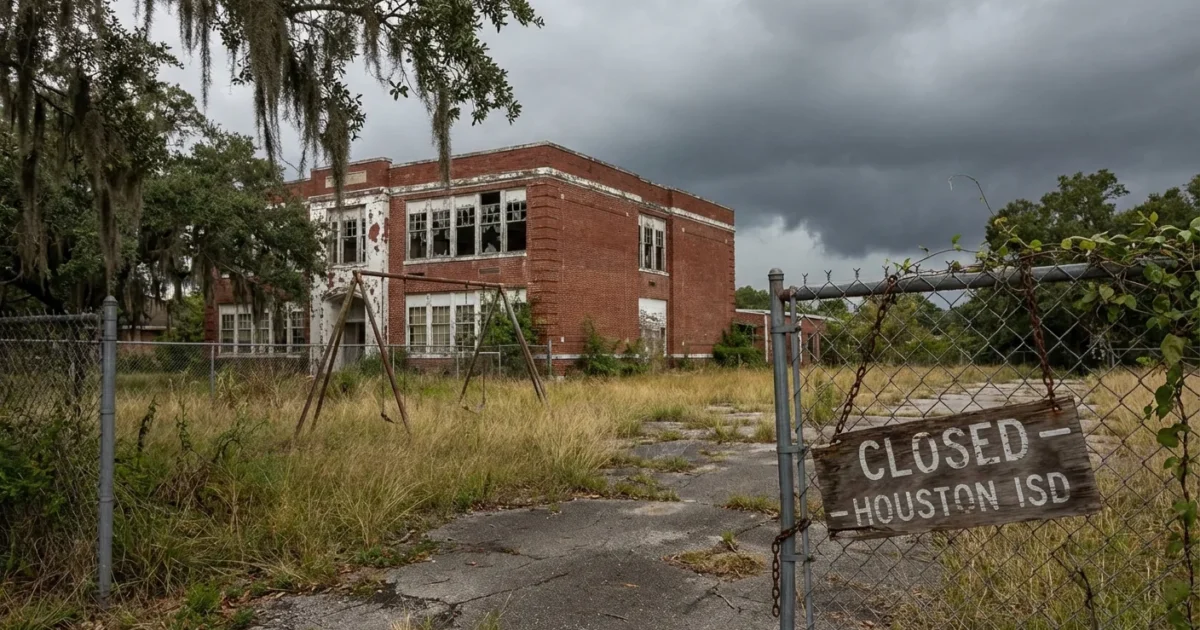
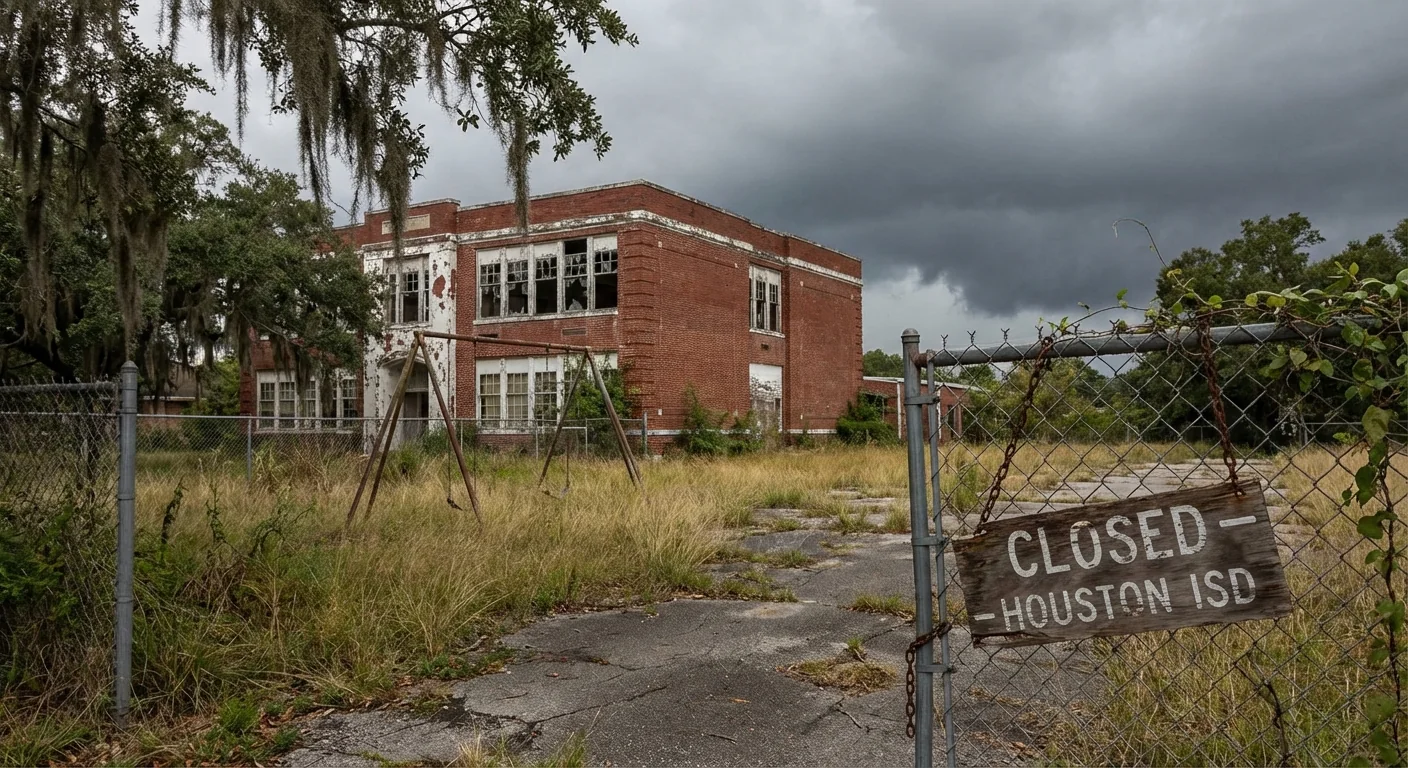
In Houston’s Spring Independent School District, the board voted 5 to 1 today to close Link Elementary and Dueitt Middle School. District leaders pointed to falling enrollment, aging buildings, accountability pressures, and a 6.5 million dollar budget gap. The plan aims to save about 4 million dollars next year, and 29 million dollars over five years.
Students will be rezoned to nearby campuses. That includes shifts that could affect Bammel Middle School, which carries an F rating and may face state intervention. Trustee Liz Jensen opposed the plan, saying families were not brought into the process enough. The district now faces a second challenge, how to support students during a complex shuffle and keep learning on track.
These closures have a climate edge. Older buildings cost more to heat and cool as Houston’s heat seasons lengthen. Humidity, flooding, and harsher storms push maintenance costs higher. Consolidation becomes a budget fix, but resilience upgrades still need funding, or the cycle repeats.
Michigan: Weather forces fast decisions, again
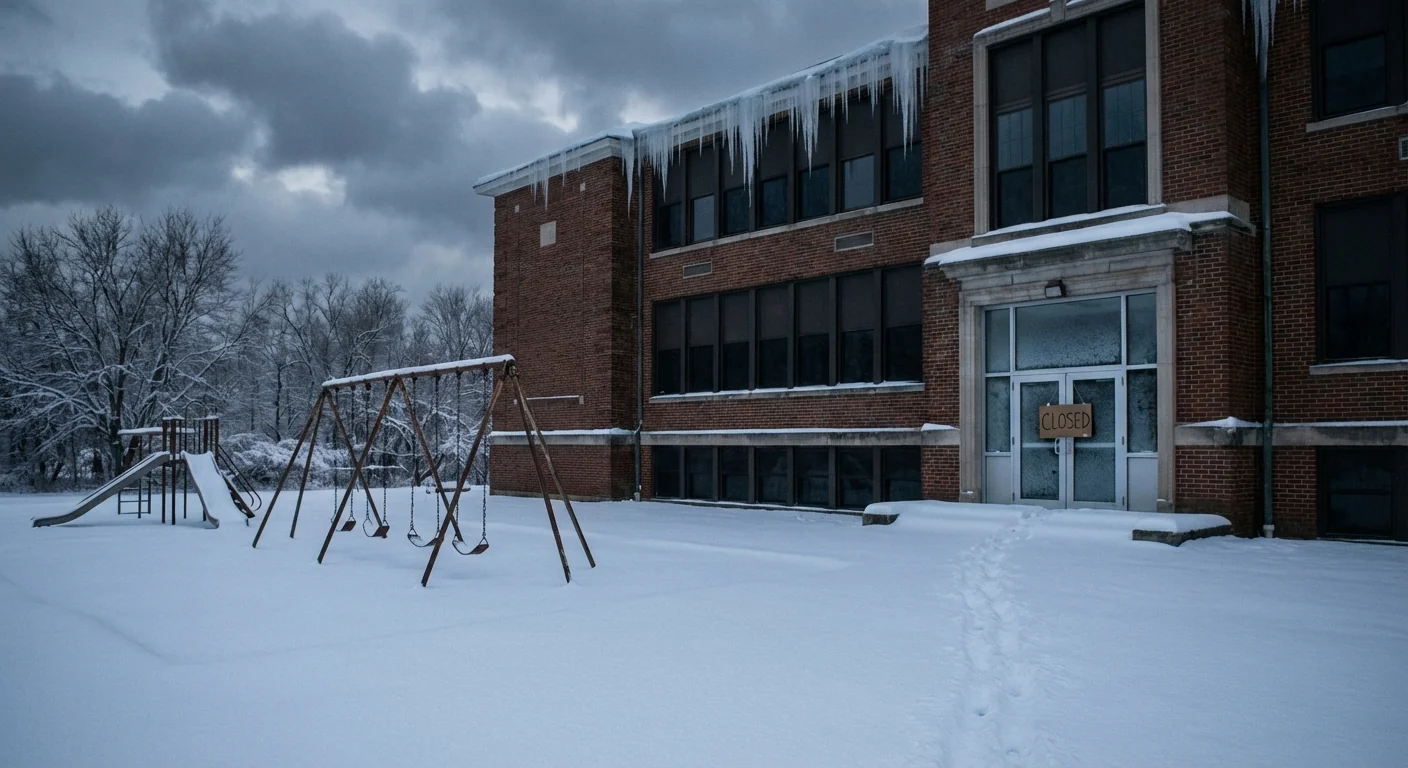
Dozens of districts across Michigan closed today as travel risks rose before sunrise. The Thumb and nearby areas reported cancellations, including Bad Axe, Cass City, Deckerville, and Sandusky. Roads glazed up in spots. Side streets drifted shut. Bus routes could not be run safely.
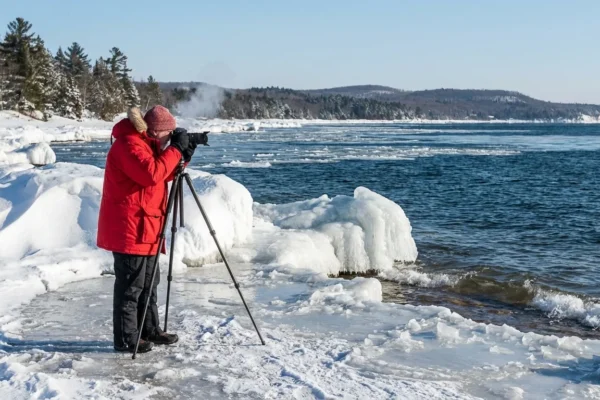
There is climate science behind the timing. The Great Lakes are staying warmer into late fall. That adds moisture to passing cold air, which supercharges early season lake-effect snow. Later in winter, more storms now swing between rain, ice, and snow, which keeps road crews guessing and drives more last‑minute calls.
Parents, check your district alerts twice daily today. Conditions change fast when temps sit near freezing.
What to watch in the next 24 hours:
- Sharp drops in visibility near squalls
- Refreeze risk on plowed roads after sunset
- Power blips where heavy, wet snow loads lines
- Delayed sports and after‑school activities
India: Cyclone aftermath, cold waves, and civic closures
Across India, closures today have several causes at once. Schools in parts of Tamil Nadu, Puducherry, Coastal Andhra Pradesh, and Kerala adjusted schedules after Cyclone Ditwah’s rain and wind. Northern states also reported cold-wave interruptions. Kerala is navigating local body elections this week, which can close school buildings that serve as polling places. In Maharashtra, a large teachers’ strike is keeping many classrooms dark. Jammu and Kashmir are already in extended winter break.
This is the new normal in a region with rising sea surface temperatures and rapid urban growth. Stronger cyclones carry more rain. Drainage systems struggle. Heat and cold swings strain classrooms without reliable cooling or heating. When civic events and labor actions overlap with rough weather, closures spread fast.
The equity problem, and what districts can do now
When schools close, low income families lose more. Child care costs spike. Students who rely on school meals miss nutrition. Special education services pause. For older buildings, outages pile up more often, which means some neighborhoods face closures again and again.
Climate and budget choices should not live in separate silos. The cheapest kilowatt is the one you do not use, and the best closure is the one you prevent. That means pairing consolidation with resilience, not treating them as different fights.
Closing a campus can save money this year. Resilience upgrades protect learning every year after.
Four steps districts can take without waiting:
- Map flood, heat, and wind risk for every campus
- Install backup power with solar and batteries for at least one refuge gym per feeder pattern
- Tighten building envelopes, light with LEDs, and fix ventilation to cut heat stress and energy costs
- Test remote learning drills that are short, simple, and accessible on low bandwidth
Keep a home “snow day kit.” Print key logins, pack a hotspot, charge power banks, and set a backup ride plan.
The bottom line
Today’s closures, from Houston boardrooms to Michigan roads to India’s storm belt, tell one story. Schools sit on the front line of climate risk and civic life. Some closures are smart, safety first. Others reveal deeper cracks. If leaders pair fiscal discipline with serious resilience, families get fewer crisis days and more steady school days. That is the measure that matters.