Burlington, Washington orders urgent evacuations as floodwaters surge
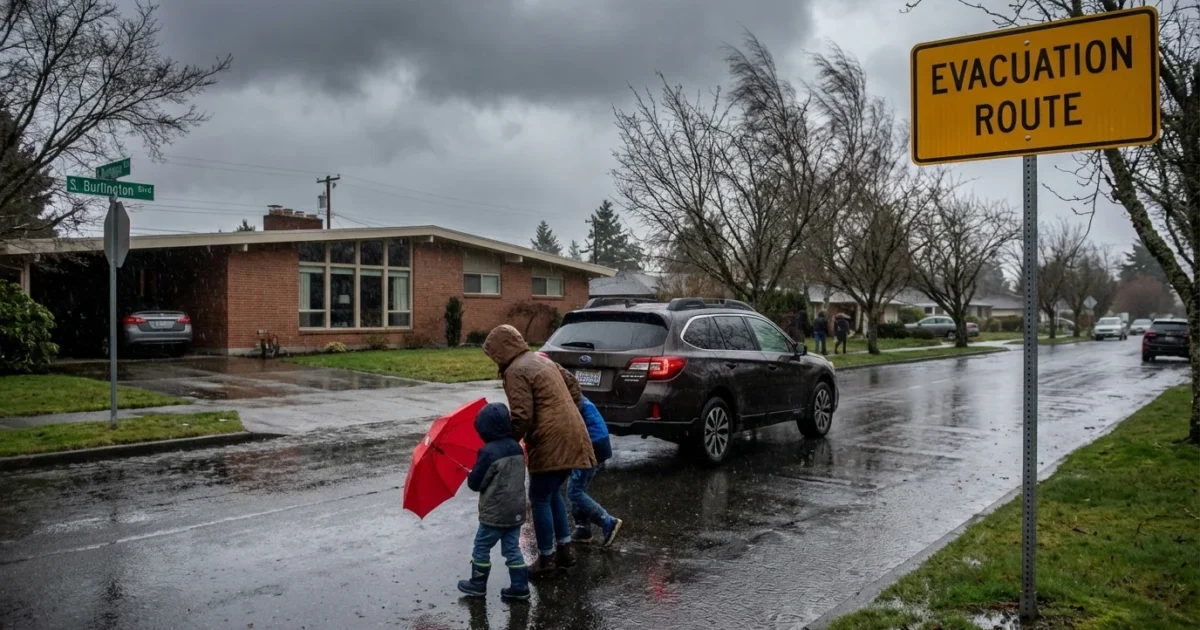
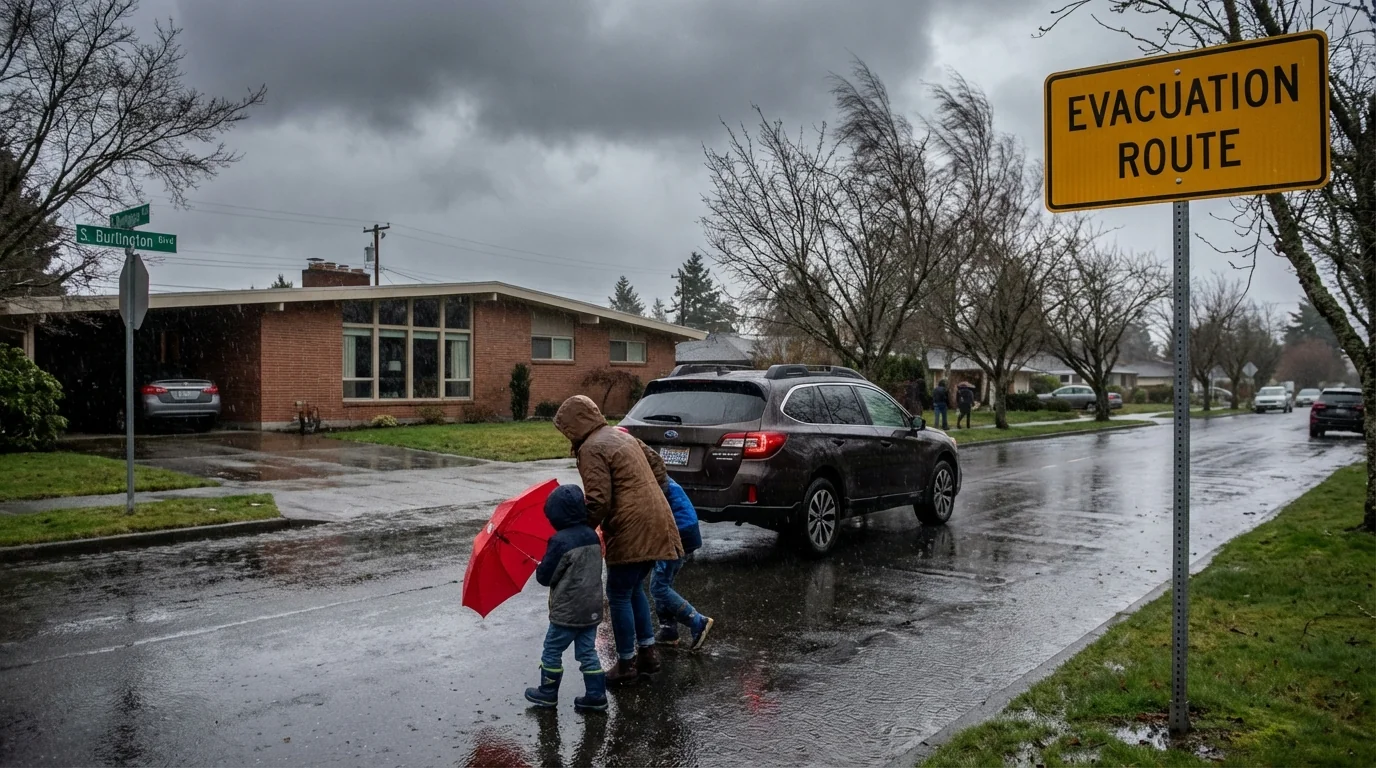
I am in Burlington this morning, and the city is moving fast. Gages Slough is spilling into neighborhoods, filling yards and creeping into homes. National Guard teams are knocking on doors and guiding people out. Sirens cut through steady rain. This is a life safety emergency.
What is happening right now
The city has issued an immediate evacuation order. Floodwater from Gages Slough is overtopping low spots and pooling quickly. I have confirmed with emergency crews that the National Guard is going door to door. Buses and high-water vehicles are relocating residents to county shelters, including Bayview Elementary.
Travel is dangerous. Do not drive through moving water. Schools and community events are closed or postponed. Utilities are watching for line breaks and may shut power where needed, to protect life and property.
Evacuate now if you live near Gages Slough or in any low-lying area. Bring medicine, IDs, pets, and one small bag. If you cannot leave on your own, signal crews, call 911, or go to the nearest shelter. 🚨
How this storm turned into a flood
This disaster is part of a larger event across western Washington. A strong atmospheric river has been parked over the region since December 8. It is a conveyor belt of warm, wet air from the tropics. That air holds a lot of water. It squeezed out days of heavy rain.
Snow levels climbed high in the Cascades. Warm rain fell on mountain snow, which boosted runoff. The Skagit River surged toward record crests. At Concrete, the river peaked near 41 feet on Thursday. At Mount Vernon, it reached about 37.73 feet overnight, a new record by inches. Even as the main river slowly eases, the system is still saturated. Water is backing up into connected sloughs and ditches, including Gages Slough, which sits at the bottom of the bowl.
Levees and floodwalls are under stress. A flash flood watch remains in effect. Any weak point could turn a bad situation worse. I am watching crews patrol embankments and clear storm drains as fast as they can.
People at risk, especially those with the least
This flood is hitting vulnerable workers hardest. I observed farm fields along the valley floor holding water like shallow lakes. Some farmworkers have kept working in those fields and nearby sheds, even as alerts went out. That is dangerous. Floodwater hides holes and carries sewage, chemicals, and sharp debris. It can turn in minutes, trapping people with no transport.
Many workers fear losing wages more than they fear the water. Some do not have a safe place to go or money for a hotel. Translation and transport gaps add to the risk. Evacuation planning must include wage protection, bilingual alerts, and rides for those without cars. Lives depend on it.
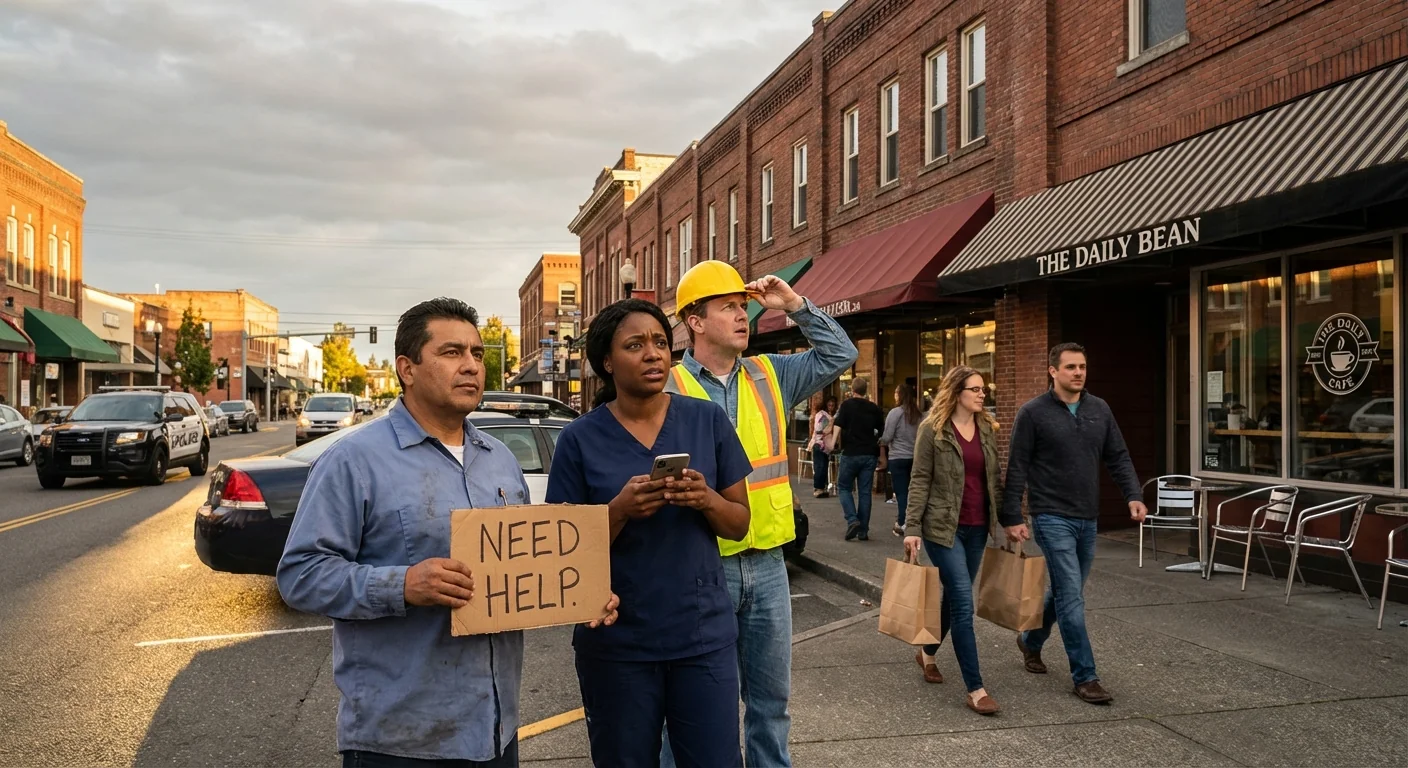
Employers should suspend field work in flood zones, pay workers for lost shifts, and provide safe transport to shelters. No crop is worth a life.
The system failed, here is how we fix it
Burlington sits at a confluence of water and infrastructure. Gages Slough is a historic wetland that now works as a drainage canal. During extreme events, it backs up. Culverts are too small. Some levees are old. Paved surfaces shed water fast into the same channels.
We can reduce future risk. The city and county can restore slough floodplains, add setback levees, and expand culverts. Green streets and rain gardens can soak up stormwater. Early warnings must reach every language and neighborhood. Buyouts or elevation should focus on the most exposed homes. Farmworker protections must be baked into emergency plans, with funding attached.
These are climate risks we can see. Atmospheric rivers are getting warmer and wetter as the planet heats. Our defenses must match that new reality.
What you can do right now
Stay off flooded roads and fields. Keep children out of the water. Check on neighbors, especially elders and those with disabilities. Take photos of any damage before you leave, if it is safe.
Heading to a shelter
– Bring medicine, IDs, chargers, and pet supplies
– Wear warm layers, waterproof shoes, and gloves
– Do not wade barefoot, water is contaminated
– Tell someone where you are going and your route
Frequently Asked Questions
What areas should evacuate now?
If you live near Gages Slough or any low-lying Burlington neighborhood, leave now. If water is at your door, do not wait. Move to higher ground or a county shelter.
Why is Gages Slough flooding even as the river crests pass?
The ground is soaked and drains are overwhelmed. Backwater from the Skagit River keeps slough levels high. It can take many hours for local water to recede.
How long will the evacuation last?
Expect at least through tonight, possibly longer. Crews must check levees, pumps, and utilities. Officials will lift orders only when routes and neighborhoods are safe.
What is an atmospheric river?
It is a long band of very moist air that carries water from the tropics. When it hits our mountains, it releases heavy rain. Warmer air holds more moisture, which raises flood risk.
How can I help safely?
Do not self-deploy into flood zones. Donate to local relief groups and worker funds. Offer a spare room or rides when officials request it. Volunteer at shelters if called.
This is a hard day for Burlington, but it is not the last word. The community is moving fast, from door knocks to sandbags to warm shelter doors. I will stay on the ground, tracking the water and the work. We will report each step forward, and we will push for the lasting fixes this valley needs.