Burlington, Washington is fighting water on all sides today. An intense atmospheric river soaked the region, pushed Gages Slough out of its banks, and sent families scrambling before sunrise. Mandatory evacuations swept through neighborhoods. The National Guard knocked on doors, loading people, pets, and medications into high-water vehicles. Thousands have been displaced across western Washington, and many more are still cut off. As of now, officials report no deaths. The relief is real, but so is the danger. 💧
Evacuations, Rescues, and a City on Edge
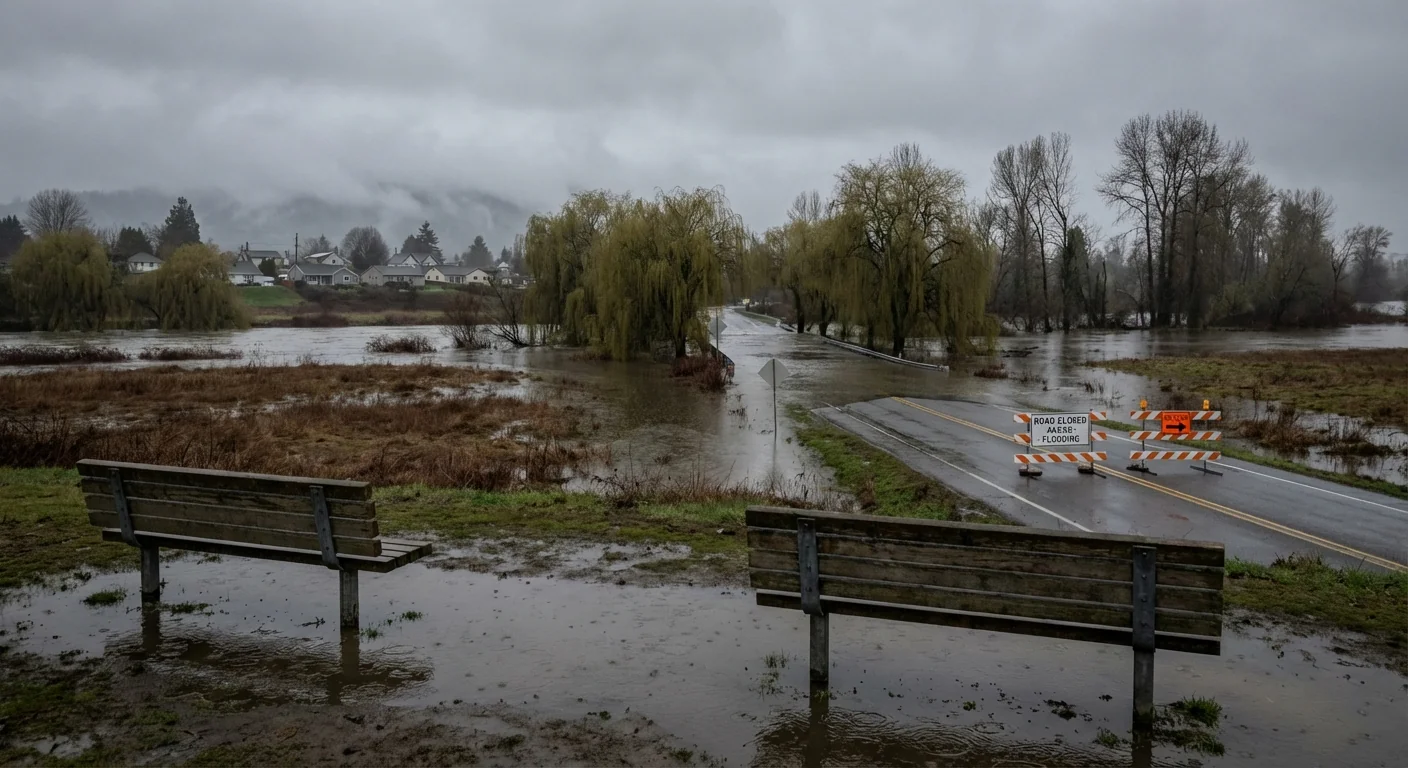
The rain has finally stopped. The flooding has not. Early Friday, Burlington issued a mandatory evacuation in low-lying areas near Gages Slough. Crews moved fast, guiding people through knee-deep water and closing roads as currents quickened. Some zones have since seen the order eased, but it is not an all clear. Power crews are working street by street. First responders are still checking homes where water remains.
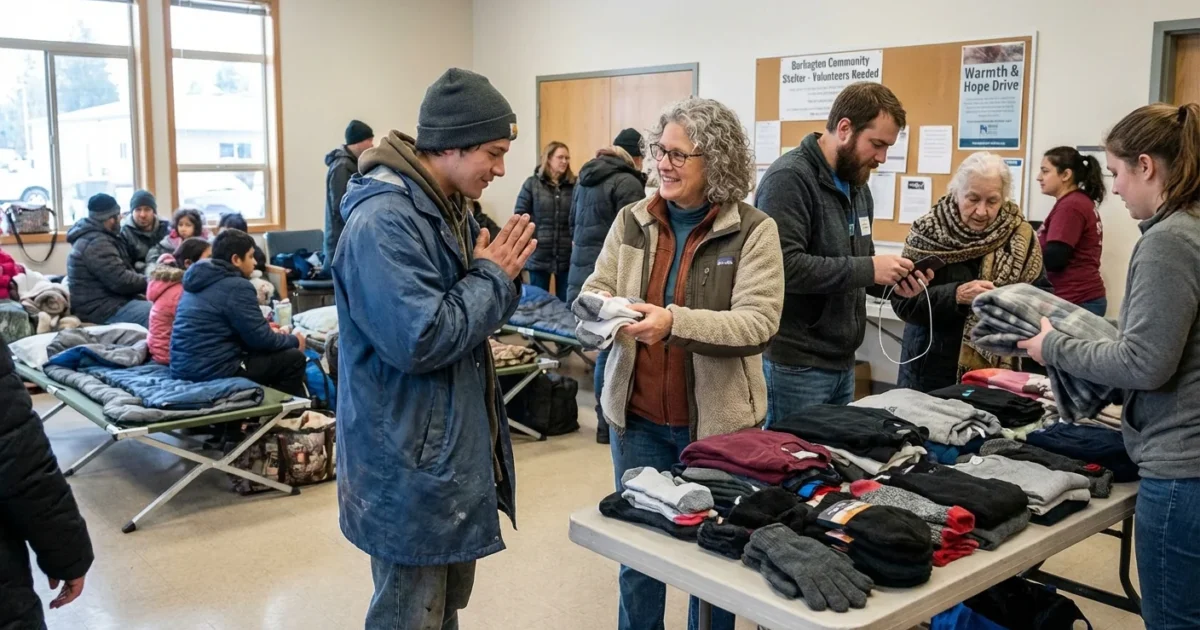
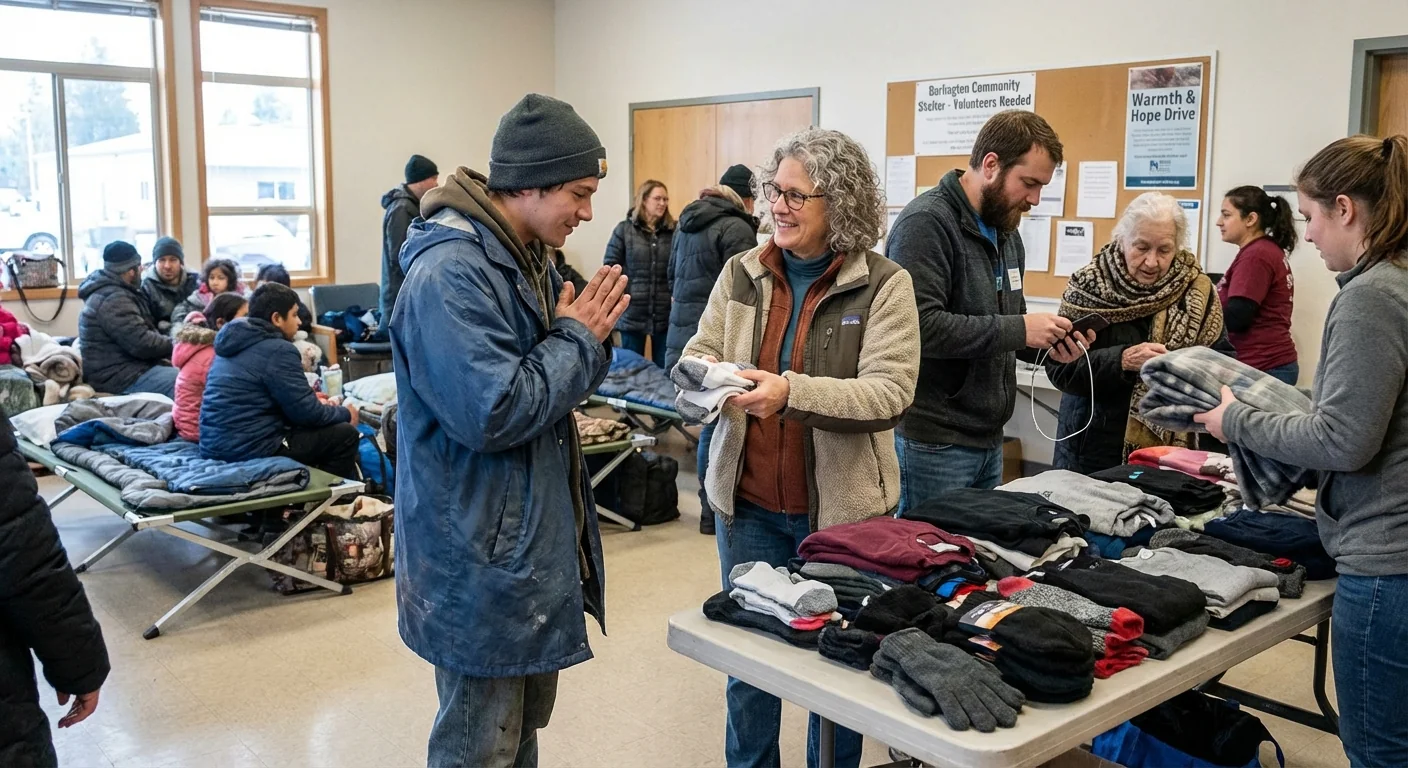
Shelters are open across Skagit County. People need dry clothes, prescriptions, and phone chargers. Volunteers are stepping up, but the need keeps growing by the hour.
Why This Storm Hit So Hard
This was a classic atmospheric river, a long plume of tropical moisture drawn into the Pacific Northwest. Warm air held massive amounts of water. The Cascades squeezed it out as rain, more than a foot in some high country spots. That water rushed west into rivers and sloughs that were already high. The Skagit River surged to near-record levels, topping 37 feet at Mount Vernon. Floodwalls helped, but every levee in the valley is under stress.
Warm oceans and warmer air make these events more likely to be intense. A hotter atmosphere holds more moisture, and when it releases, it dumps. That is the climate signal showing up at the worst time for communities like Burlington.
Levees remain saturated. Stay off riverbanks and closed roads. Even a small breach can turn deadly in minutes.
Rivers Receding Slowly, Risks Still Rising
Water is sliding down, inch by inch. The ground is soaked. Storm drains are clogged with debris. Landslides are possible on steep slopes. Flash flood watches continue, because another system is lining up for Sunday. It may not be as strong, but it will fall on a landscape that cannot take much more. Any new downpour could trip fresh flooding or weaken levees.
Officials are watching pressure points along the Skagit. They are moving pumps and sandbags to the most threatened spots. If you are asked to leave again, do it fast. The window to move can close without warning.
What Residents Need Now
People need simple, clear steps. Safety first, then cleanup when it is safe to return.
- Do not drive through water. Turn around and find higher ground.
- If you left home, wait for an official all-clear before returning.
- Photograph damage before cleanup. Save receipts for repairs.
- If water touched outlets or appliances, cut power and call an expert.
Keep a go bag by the door. Include ID, meds for three days, phone batteries, warm layers, pet supplies, and a flashlight.
Rebuilding With Resilience
This flood is a stress test of our systems. Burlington and the Skagit Valley face a hard choice. Patch what failed, or build smarter for a wetter future. That means modern levees, but not levees alone. Restoring floodplains gives rivers room to spread out. Elevating homes in the most at-risk zones cuts losses. Upgrading stormwater systems keeps streets and schools open longer. Buyouts may be the best tool for some blocks, paired with parks and wetlands that store water and help salmon.
Early warning also matters. Faster alerts, clearer maps, and more sensors can save lives. These investments cost money. Not making them costs more.
What Comes Next
Crews will spend today and tonight clearing drains and shoring up weak spots. Rivers will drop slowly. Forecast models show another surge of moisture late Sunday, then scattered showers into early next week. Stay ready. Keep gas tanks at least half full. Check on neighbors. Small steps add up when time is short. ⚠️