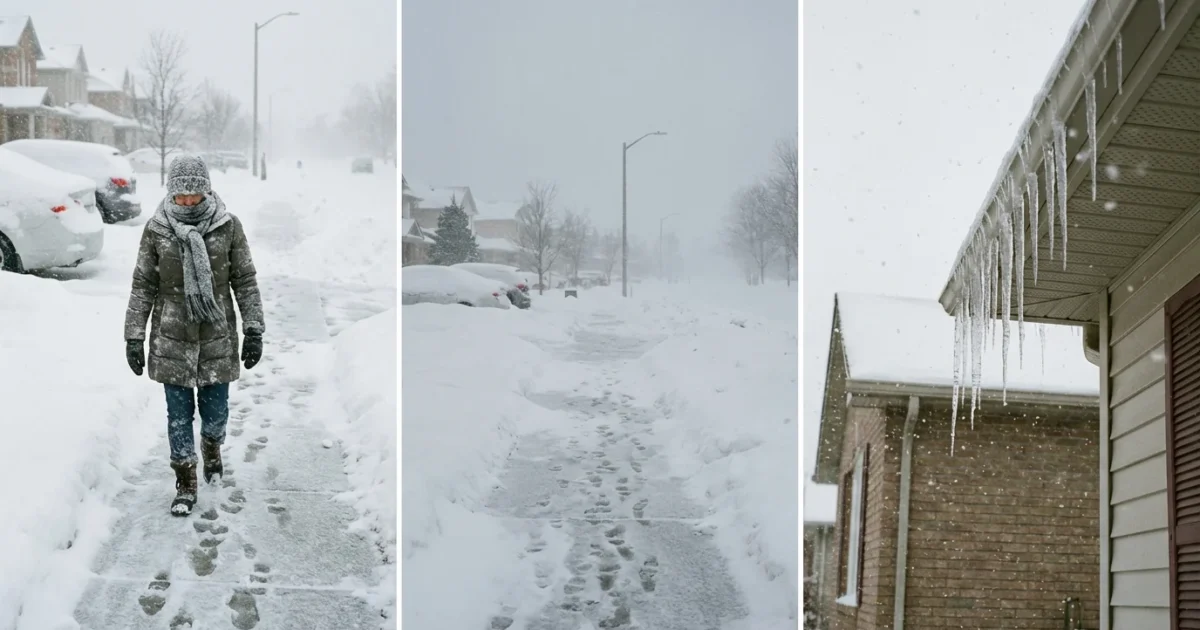
Chicago braces as a brutal Arctic blast grips the city today, with wind chills plunging below minus 20 in spots. Air this cold bites fast. The wind roars across open streets and over the lake. I am tracking the push of polar air now, and I am seeing conditions worsen through the holiday. This is the moment to use every tool we have. AccuWeather’s RealFeel, hourly forecasts, and alerts can help you plan each hour and stay safe.
What the Arctic blast is doing to Chicago right now
An Arctic air mass has dropped south out of Canada, riding a deep dip in the jet stream. That river of air steers storms and swings cold and warm spells. Today it is delivering the kind of cold that hurts your lungs when you breathe. Gusts are strong across the lakefront and into the neighborhoods. Temperatures struggle to climb. The wind makes it feel far worse.
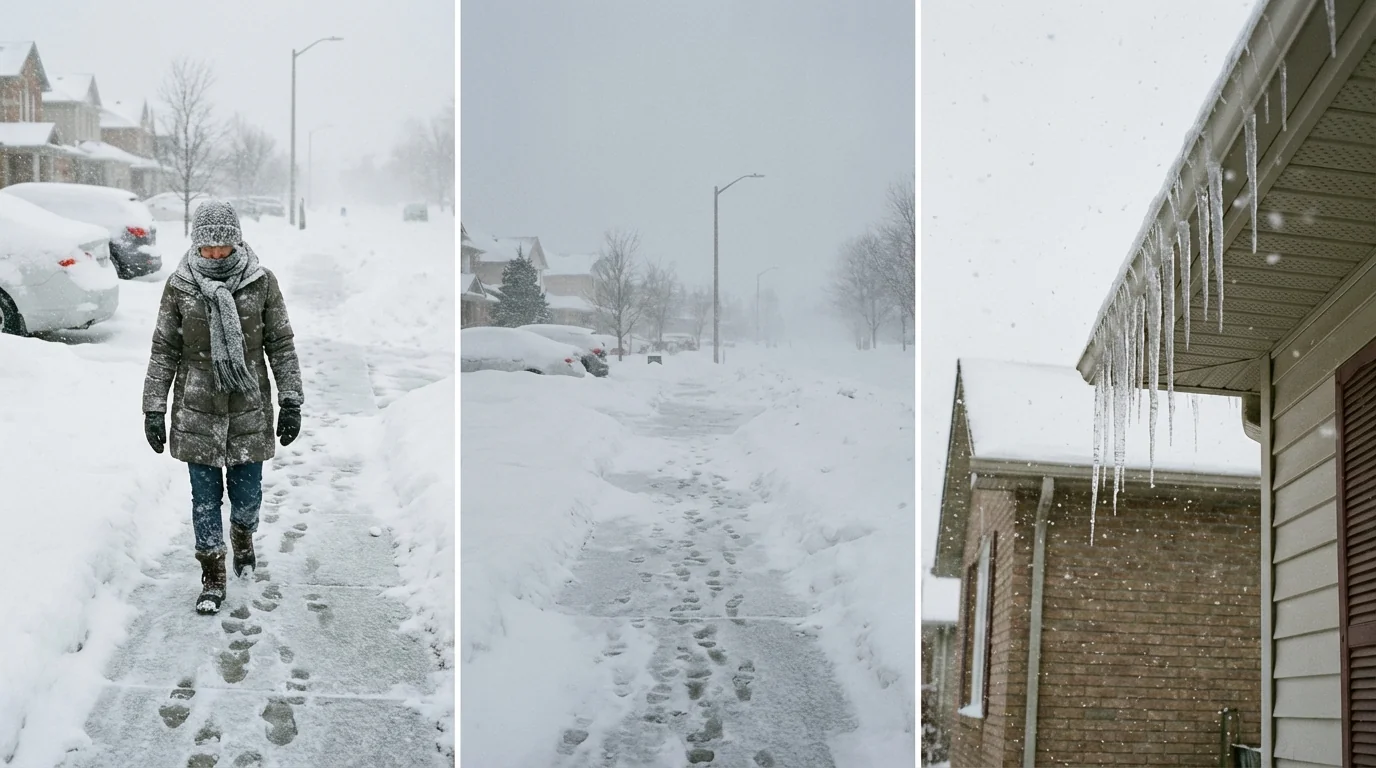
Wind chills below minus 20 mean frostbite can start on exposed skin in under half an hour. Ice is growing fast on untreated roads and sidewalks. Side streets are slick. Lake effect clouds are thick at times, and brief squalls can cut visibility. Keep trips short and smart. ❄️
Make AccuWeather work for you today
In dangerous cold, timing is everything. AccuWeather’s dashboard is built for that. The key tools are the Hourly forecast, RealFeel, radar, and alerts. Use them in this order to find your safest window.
- Open AccuWeather, set your exact location, then tap Hourly
- Compare Temperature to RealFeel, then scan Wind and Gusts
- Check radar for any squalls or bursts of snow
- Read Alerts for wind chill advisories and school or road notices
RealFeel blends temperature, wind, sun, and humidity. In an Arctic outbreak, wind steals heat most. That is why RealFeel can sit 10 to 25 degrees below the air temperature. If RealFeel is minus 22 at 2 p.m., your body feels minus 22. Plan around that number, not the top line.
On AccuWeather, use the Hourly graph to find the least windy hour. That is your best window for chores.
What to look for on the hourly chart
Find the warmest hour and the smallest gusts. Those two together are your friend. If the wind eases near late afternoon, that might be your quick shop run. If gusts spike after sunset, wrap up outside work before then. Watch for the “Feels Like” dip after dark. It can fall fast, even if the air temperature changes little.

Safety in the deep freeze, minute by minute
At wind chills near minus 20, exposed skin starts to go numb quickly. Fingers and ears are at risk first. Breathing hard can feel sharp in the chest. Limit time outside to 10 to 15 minutes if you can. If you must be out longer, layer dry, windproof clothing. Cover your cheeks and nose. Keep spare gloves in a pocket. Use hand warmers only in dry conditions.
AccuWeather’s MinuteCast can help you dodge a quick snow burst that hides black ice. Watch the wind arrow on the map. North to northwest wind lines up the coldest air off the lake and funnels it down major streets. If you park on the windward side, your car becomes a wind tunnel. Park leeward when possible.
Wind chills below minus 20 can cause frostbite on exposed skin in 30 minutes or less. Limit time outdoors. Cover all skin.
The climate story behind the cold snap
A warming planet does not erase winter cold. It changes the odds. Average winters in Chicago are milder today than decades ago. Lakes stay ice free longer. That adds moisture to the air when cold shots arrive. The result can be sharper lake effect snow, even in a warmer world. At the same time, a wavier jet stream can pull polar air south in brief but brutal bursts. That is what we see today, a short, fierce outbreak, set against a long term warming trend.
Deep freezes stress the energy grid. Demand spikes for heat. That adds pollution on the coldest days, a double hit for vulnerable neighborhoods. We can cut that burden with small choices that scale.
- Seal drafts and lower thermostat one or two degrees, wear layers
- Use heavy curtains at night, open them for sun by day
- Avoid idling cars, combine errands into one warm start
- Check on neighbors, especially seniors and bus riders
These steps save energy, cut bills, and reduce peak emissions. They also keep rooms more stable as the wind howls outside. 🧊
Final word
This Arctic blast is real, and it is dangerous. Use AccuWeather’s Hourly, RealFeel, and alerts to plan each move. Pick the least windy hour, keep trips short, and cover every inch of skin. The cold will ease, but our work on resilience continues. I will keep watching the data and updating guidance as the air mass shifts. Stay smart, stay warm, and look out for one another.