BREAKING: A powerful magnitude 7.0 earthquake rattled the Alaska–Yukon border, at a shallow depth of about 10 kilometers. I am tracking more than 160 aftershocks in the first 24 hours. Shaking was felt across Southeast Alaska and into Canada. There is no tsunami warning, and no significant damage has been confirmed. But the ground is still restless, and nerves are tight.
Where it hit and what I am seeing now
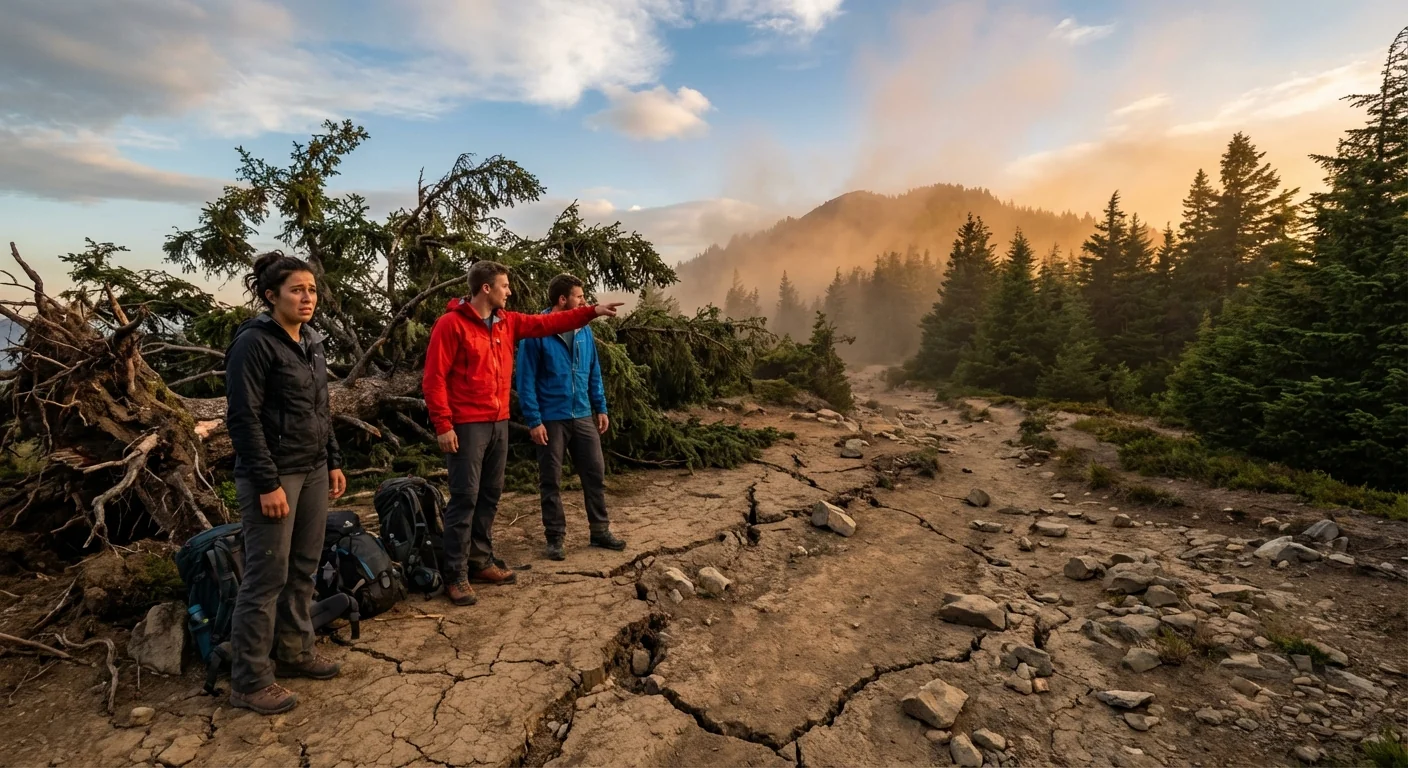
The main shock struck roughly 230 miles northwest of Juneau. The epicenter sits along a known fault system that connects to the Denali and Fairweather faults. This is a zone where the Pacific Plate grinds past the North American Plate. The quake was shallow, so the shaking was sharp and quick. That is why so many people felt it, even far from the epicenter.
I am seeing a classic aftershock sequence. Most aftershocks are small. A few are strong enough to be felt. They cluster near the main break, and they will taper over days and weeks. The largest aftershock is usually about one unit lower than the main shock. That rule is not perfect, so people in the region should stay ready.
No tsunami alert was issued. The quake’s location and side‑slipping motion reduced tsunami risk.
What caused the quake, in plain language
This was likely a strike‑slip event. Picture two giant blocks of crust sliding past each other. They lock, strain builds, then the fault snaps. Energy races out in waves. That is the shaking you feel. Aftershocks are the crust settling into its new shape, like a door frame after a hard slam.
Alaska sits at one of Earth’s most active plate boundaries. Big quakes are part of that deep geologic story. Recent quakes in China’s Xinjiang region and smaller events in Turkey remind us that Earth’s crust is always moving. The Alaska–Yukon event stands out today for its size, its shallow depth, and the sheer number of aftershocks.
Weather, climate, and cascading hazards
Earthquakes are not caused by weather or climate change. But climate and weather can change the risks that follow a quake. That matters today.
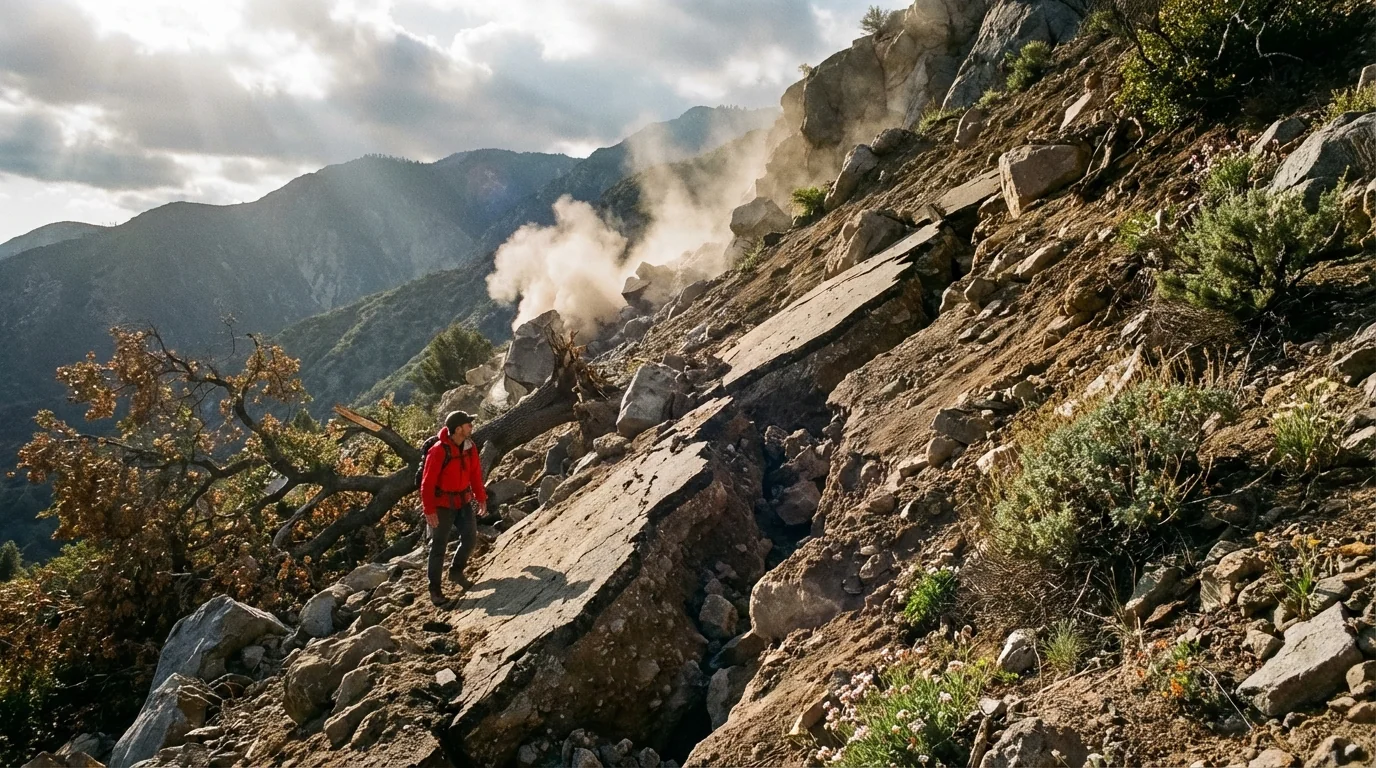
Fresh snow and early winter cold can hide cracks in roads and trails. Rapid thaws or heavy rain in coming days could loosen slopes shaken by this event. In permafrost country, warming has already softened some ground. Shaking on thaw‑weakened hillsides can trigger landslides and debris flows. Along rivers, saturated banks can slump. In towns, frozen pipes and power outages can complicate a safe cleanup.
Aftershocks can trigger rockfall, avalanches, and landslides on shaken slopes. Stay off steep terrain until stability is confirmed.
How alerts work and what to do now
Seismic networks in Alaska and Canada detected this quake in seconds. Automated systems pushed rapid alerts to agencies and partner apps. Sirens did not sound for a tsunami, because there was no tsunami risk. Many people still received strong shaking alerts on their phones. That is how the modern system is designed to work. Fast sensors, fast data, fast warnings.
Here is what to do as aftershocks continue:
- Drop, cover, and hold on when shaking starts. Do not run outside.
- Check for gas smells, water leaks, and small fires. If in doubt, get help.
- Keep phones charged, water stored, and shoes by your bed.
- Avoid damaged buildings and steep slopes until engineers or officials say they are safe.
Secure tall furniture, water heaters, and heavy art now. Small fixes prevent big injuries later.
Sustainability starts at home
Prepared homes and towns bounce back faster. That is resilience. It means building to modern seismic codes, using flexible water and gas lines, and planning microgrids that keep clinics and shelters powered. It means mapping landslide zones and keeping development away from them. These choices cut risk from both quakes and extreme weather.