Sirens shattered the afternoon calm, and the ground in southern Mexico did not let go. A magnitude 6.5 earthquake near San Marcos jolted Guerrero on January 2, shaking Acapulco hard and swaying towers in Mexico City. The city is still picking up pieces from Hurricane Otis. Now it is bracing for a new round of shocks, both literal and social.
What Shook, And What It Means Now
The main quake struck along the coast, where steep slopes fall into the sea and roads cling to hillsides. More than 500 aftershocks have followed. I have confirmed at least two deaths so far. One came from a home collapse near the epicenter. Another occurred in Mexico City during an evacuation.
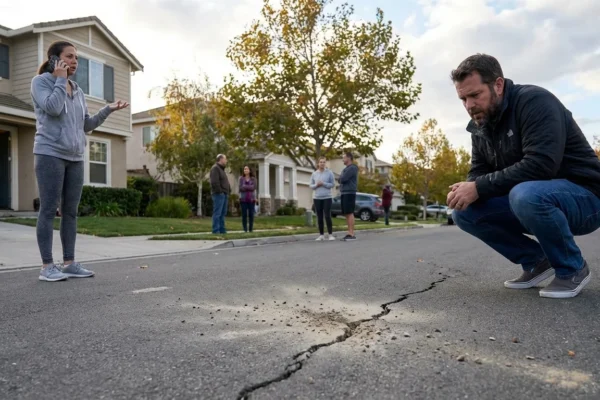
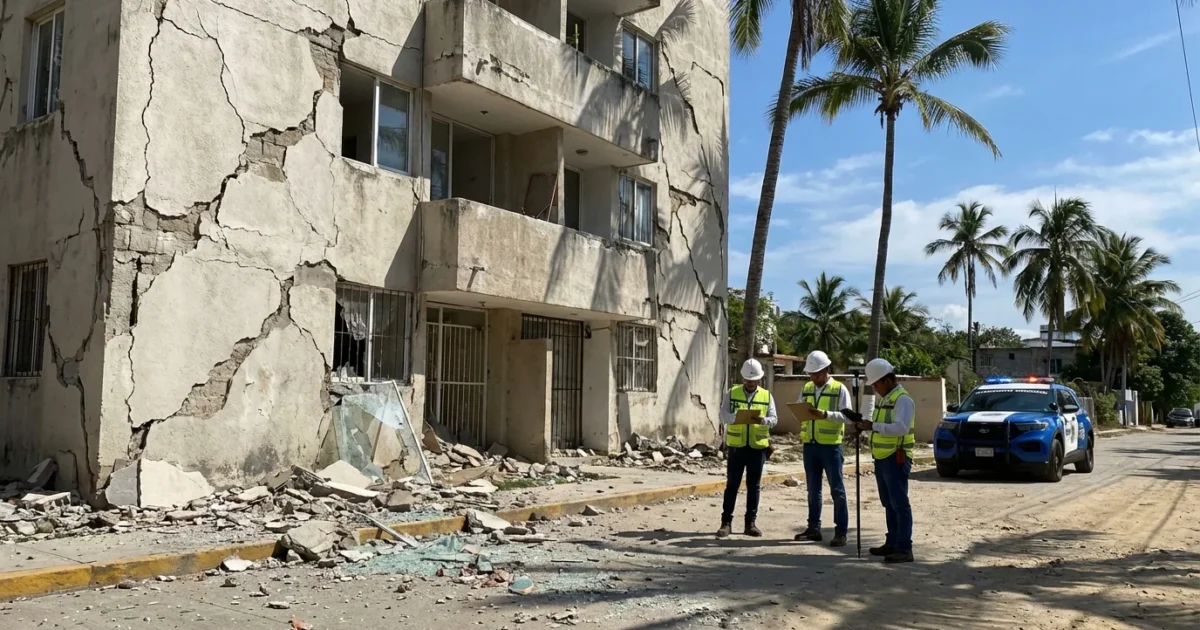
Landslides have cut some routes, and a hospital in Chilpancingo moved patients because of damage. Engineers are inspecting bridges, hotels, and water plants. Many buildings in Acapulco were already weakened by Otis. Cracks that looked cosmetic last month may be dangerous today.

Evacuations were fast. Quake alarms forced people out of offices and schools. In Mexico City, alarms interrupted a presidential briefing. The system worked. But alarms are only a start. Aftershocks are still possible, and the soil is unsettled.
Avoid steep slopes, damaged buildings, and downed lines. Expect aftershocks for days. Keep a go bag by the door.
Immediate safety priorities
- Stay outside until structures are cleared by authorities.
- Report gas smells, water main breaks, and new cracks on slopes.
- Use texts, not calls, to keep networks free for emergency crews.
- Keep out of riverbeds and ravines where slides can funnel debris.
A City Already On The Edge
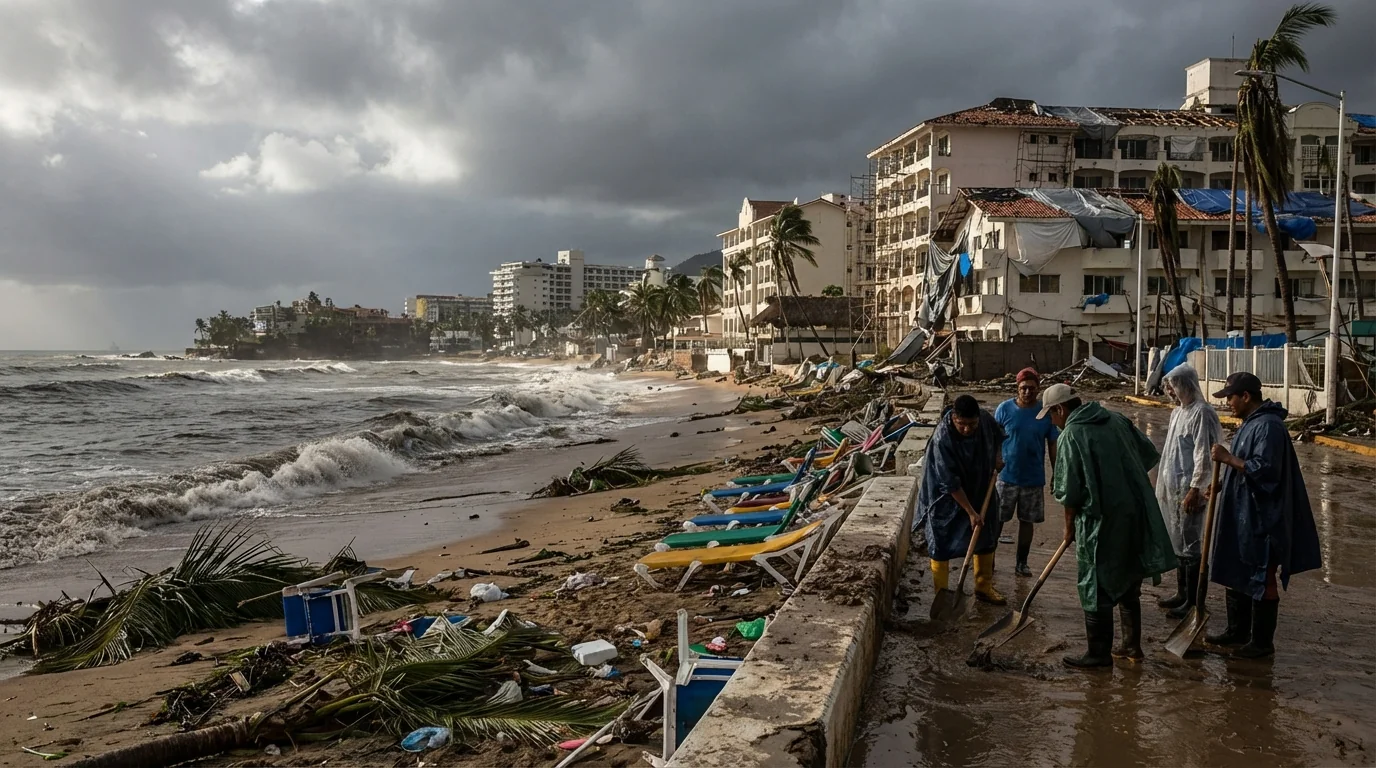
Acapulco lives with risk. In 2023, Hurricane Otis hit as a Category 5 storm and shredded the city’s power, health, and tourism lifelines. It became Mexico’s costliest tropical cyclone. The rebuild has been patchy. Hotels on the main strip have made headway. Many hillside neighborhoods have not.
That uneven recovery matters today. Otis stripped vegetation, tore roofs, and soaked soils. Steep barrios above the bay were left with exposed slopes and unstable drains. The earthquake shook that loose. Small slides are now big slides. Weak concrete is now rubble.
Security adds another layer. Recent beach killings and a heavy military presence were already shaping daily life. Guerrero still carries a Level 4 Do Not Travel advisory for foreigners. Violence slows aid, frightens staff, and disrupts supply lines. A resilient plan must include safe corridors for crews, clinics, and fuel.
The Climate Connection, And What It Is Not
Earthquakes are not caused by climate change. They come from faults grinding beneath the crust. That is a tectonic story. But climate extremes can turn a shaking event into a disaster. Here, the links are clear.
Otis deforested slopes and clogged drains with debris. Warmer oceans make extreme hurricanes more likely and more intense. Heavy rains that come with these storms saturate soils. When a quake hits wet and stripped hillsides, landslides multiply. Storm damage also leaves buildings open to water and corrosion. That weakens key joints and rebar, so shaking does more harm.
Climate does not trigger quakes, but it builds the fuel for worse impacts. Multi hazard risk is the new baseline for Acapulco.
What A Resilient Rebuild Must Do Now
The city cannot rebuild one hazard at a time. It needs a plan that tackles quakes, storms, heat, and crime together. The steps are practical and proven.
Start with hospitals, schools, and shelters. Retrofit them for strong shaking. Anchor equipment, brace walls, and install independent water, power, and communications. Build microgrids with rooftop solar and battery storage, so blackouts do not become medical crises.
Stabilize hillsides with fast, layered fixes. Clear debris basins, regrade small cuts, and add drains that handle cloudburst rain. Plant deep rooted native trees and use geotextiles where needed. Map red zones and enforce setbacks on the steepest slopes.
Update building codes to match the hazard. Require confined masonry, proper rebar, and tie beams in new homes. Offer grants and low interest loans to retrofit informal housing. Keep inspections honest and simple, so compliance rises.
Protect the coast that protects the city. Restore mangroves in lagoons and dunes along open beaches. These natural buffers cut storm surge and control erosion. Pair them with elevated transformers and sealed pump stations, so salt water does not knock out key systems.
Data must be public and local. Publish open hazard maps that blend quake intensity, liquefaction risk, slide risk, and flood zones. Train neighborhood brigades to read them and act on them. Practice drills for both quakes and hurricanes. Include safe routes that avoid conflict hotspots.
Build stronger where people live first, not where it is easiest. Resilience grows fastest at the edges of risk.
Financing is the final hinge. Tie funds to performance. Pay out when retrofits pass tests, hillsides hold, and shelters stay powered. Use insurance and catastrophe bonds that reward prevention. Every peso that hardens a clinic or a slope pays back many times after the next shock.
The Path Forward
Acapulco has faced the worst of wind and now the force of the earth. The message is blunt. Life at the edge of the Pacific means planning for many hazards at once. Today’s earthquake exposed what Otis began, the gaps that still cut across class, place, and safety. If leaders move fast, and target the right fixes, the city can break the cycle. Fewer lives lost. Fewer homes ruined. A bay that feels safe again, even when the ground starts to shake.