A powerful magnitude 7.0 earthquake struck Taiwan today, jolting the island from the mountains to the coasts. The shaking was sharp and long. Alarms sounded. People moved fast to open spaces. Emergency crews snapped into action.
What We Know Right Now
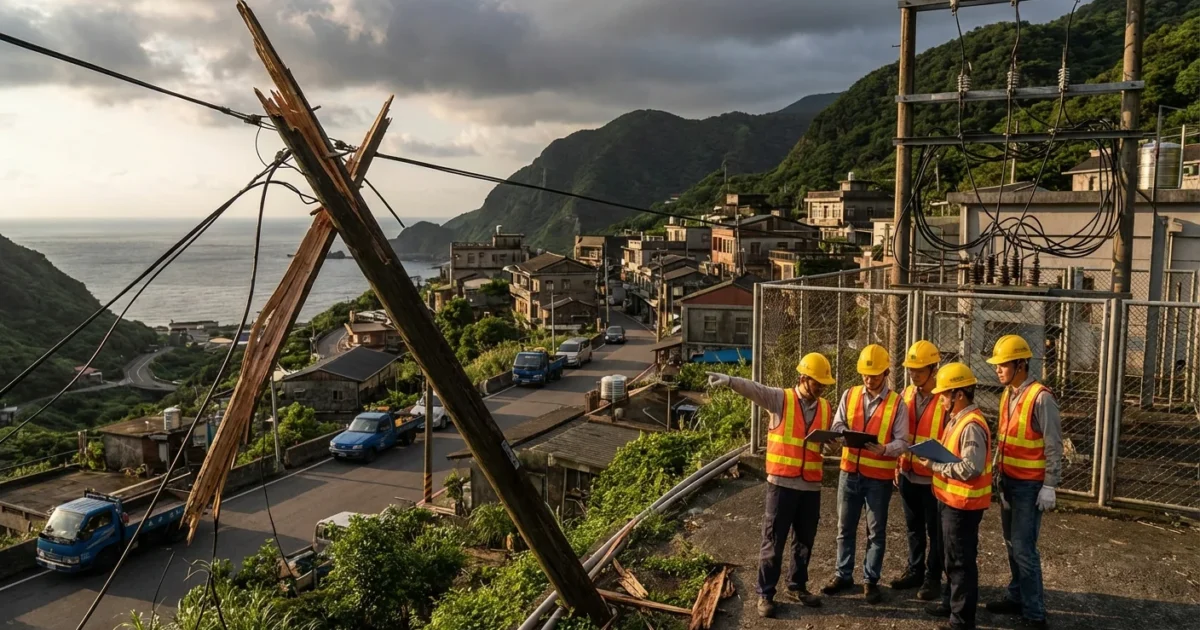
The quake hit during the workday, when factories and offices were full. Several high tech plants paused operations for safety checks. Staff were evacuated in parts of key semiconductor facilities. Inspectors are combing through buildings, bridges, and rail lines. Aftershocks are already rolling across the region. More are likely.
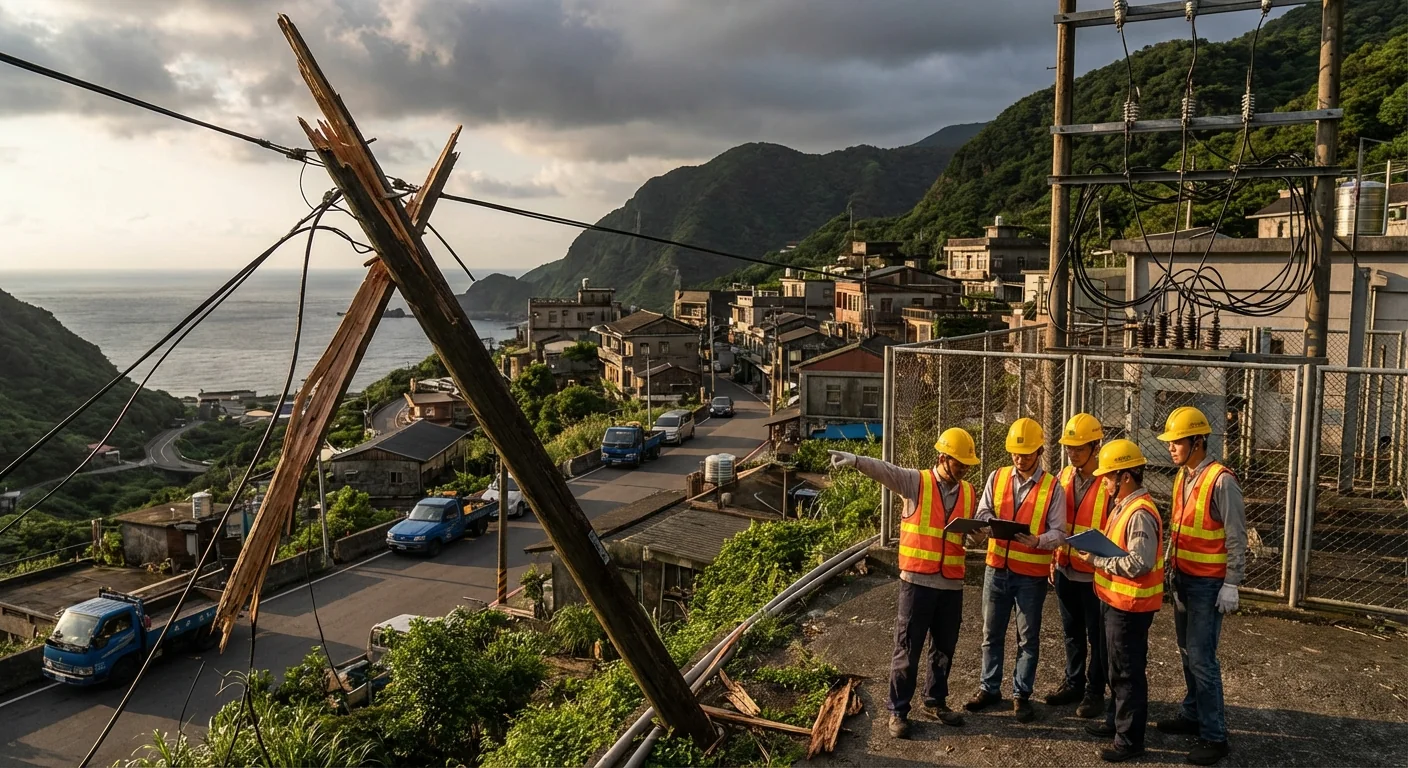
Power and water systems were stressed but remain under watch. Crews are checking pipelines, substation equipment, and hillside reservoirs. Coastal teams are monitoring sea level and port infrastructure. Landslide risk is high near steep slopes and in areas with recent heavy rain.
Why This Quake Packed A Punch
Taiwan sits at a meeting point of two plates, the Philippine Sea Plate and the Eurasian Plate. These plates grind and push. That builds strain underground. When that strain releases, the energy climbs fast. If the rupture happens closer to the surface, shaking can intensify in cities and valleys.
Ground type matters too. Soft soils in some western plains can amplify shaking. Some river deltas are prone to liquefaction, when wet ground loses strength. Mountain zones face rockfalls and slides. Today’s shaking tapped all of those hazards to some degree.
Aftershocks And Secondary Risks
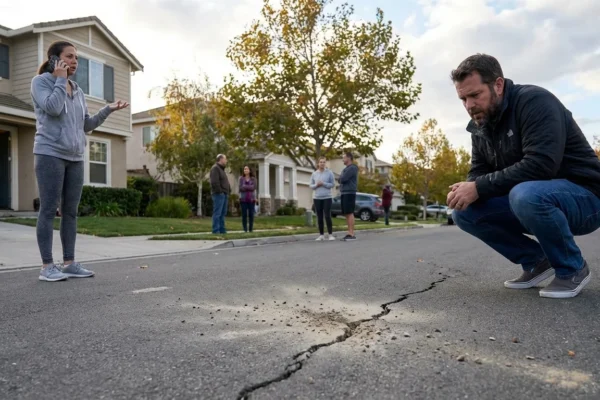
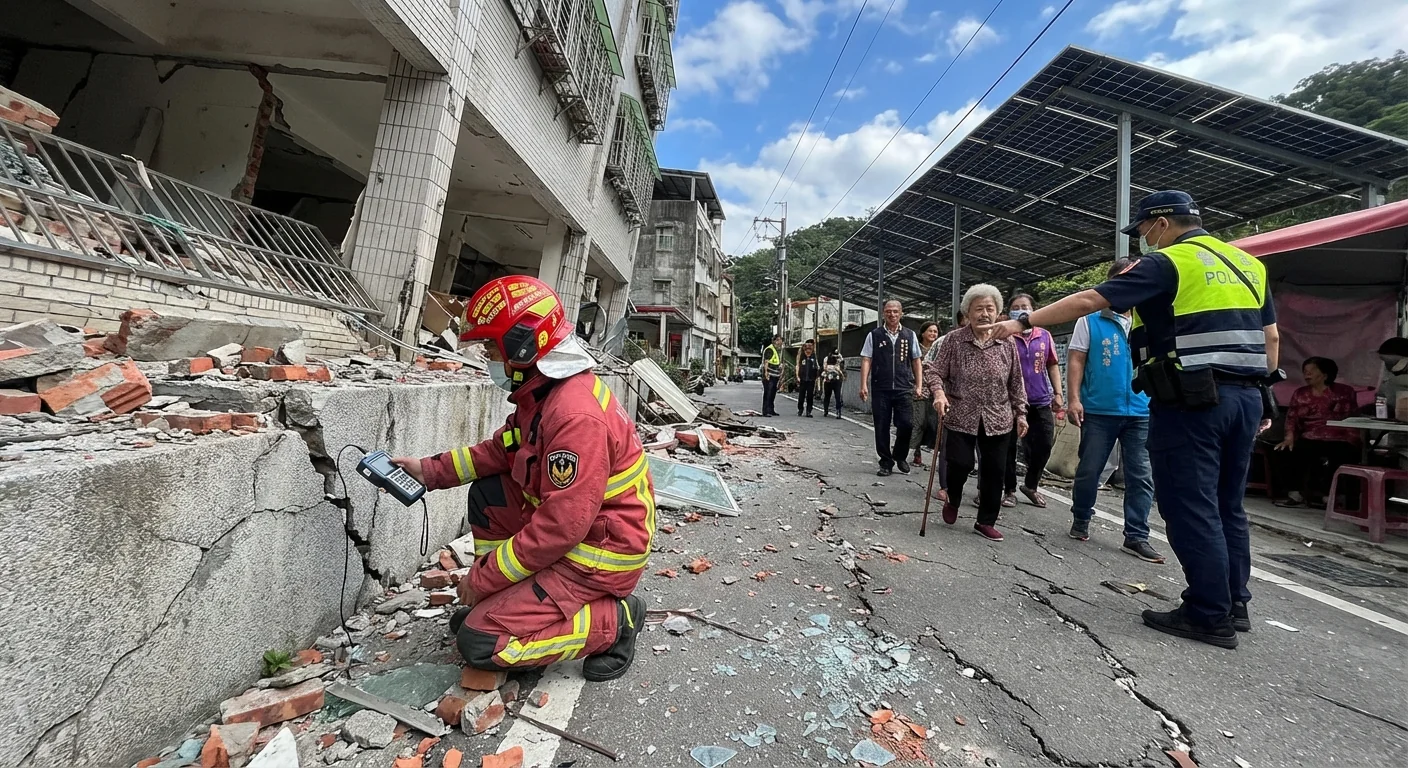
Aftershocks often follow a large mainshock for days or weeks. They can damage already weakened structures. They can trigger fresh slides on steep slopes. They can crack roads that looked fine at first glance. Critical facilities should expect repeated inspections.
Aftershocks are likely. If you feel shaking, drop, cover, and hold on. Stay clear of walls, glass, and unsecured shelves. Move to open areas once it is safe.
Chips, Clean Rooms, And Resilience
Taiwan’s semiconductor sector is the backbone of many global supply chains. Clean rooms depend on steady power, stable water, and precise air control. Even a brief disruption can force controlled shutdowns. That is why some plants paused and evacuated today. Safety comes first, then quality control, then restart.
There is good news. Many modern fabs in Taiwan already use advanced water recycling, dual piping, and backup systems. Some sites have seismic isolation for sensitive tools. Battery banks and gas turbines can bridge short power gaps. But a magnitude 7.0 event is a full systems test. Leaders will be weighing two goals at once, rapid recovery and smarter upgrades.
Sustainable resilience is not a buzzword here, it is a plan. Microgrids with battery storage can keep core systems stable. On site solar can support critical loads in daylight. Low emission backup, like fuel cells, can cut pollution during outages. More plants are also installing automated shutoff valves, flexible couplings, and vibration sensors. These upgrades save water and energy during normal times, and protect assets when the ground moves.
Climate, Weather, And Compounding Effects
Earthquakes are not caused by climate change. Still, climate can make earthquake impacts worse. Intense rain weakens slopes, which raises landslide risk when shaking hits. Higher sea levels can let tsunami energy reach farther inland. Heat waves stress crews and hospitals during long power cuts. These linked risks matter for an island that sees both typhoons and quakes.
Today’s event is a clear signal. Resilience must account for more than one hazard at a time. That means stronger building codes, smarter land use, and clean backup power that starts fast and runs steady.
- Inspect and retrofit older buildings with modern seismic bracing.
- Expand microgrids, battery storage, and islanding controls for critical sites.
- Protect and diversify water supplies, with on site reuse and storage.
- Train for joint hazards, quake plus heavy rain, quake plus power loss.
Keep a simple emergency kit, water, masks, flashlight, radio, spare phone battery. Know two routes home and two meeting points.
The Road Ahead
Assessments are still underway. Crews will work through the night on structural checks and lifeline repairs. Schools and offices will update schedules as safety inspections finish. Factories will restart in stages, once data and teams say it is safe. Expect updates on transport, power, and water as tests conclude.
Taiwan has faced big quakes before. Preparedness and strong codes have saved lives. Today adds new lessons for a high tech, low carbon future. Build to bend, not break. Power critical systems with clean, steady backups. Protect water, the silent lifeline of every chip and every home. The island is shaken, but it is not standing still.