BREAKING: 6.5 quake rattles southern Mexico, halts president’s live briefing
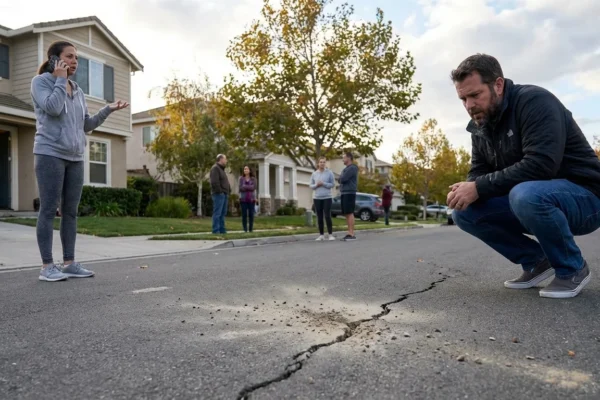
A strong 6.5 magnitude earthquake struck southern Mexico today, shaking homes, schools, and city centers. The shaking was powerful enough to interrupt the president’s live morning press conference on national TV. The broadcast stopped as alarms sounded, and staff moved to safety. The pause was brief, but the message was clear. The ground rules governance when the earth moves.
What we know now
The epicenter was in southern Mexico, where the Cocos Plate dives beneath the country along the Pacific margin. Shaking was felt widely, from coastal towns to highland valleys. Early intensity maps show areas of strong motion close to the epicenter, with moderate shaking spreading hundreds of kilometers.
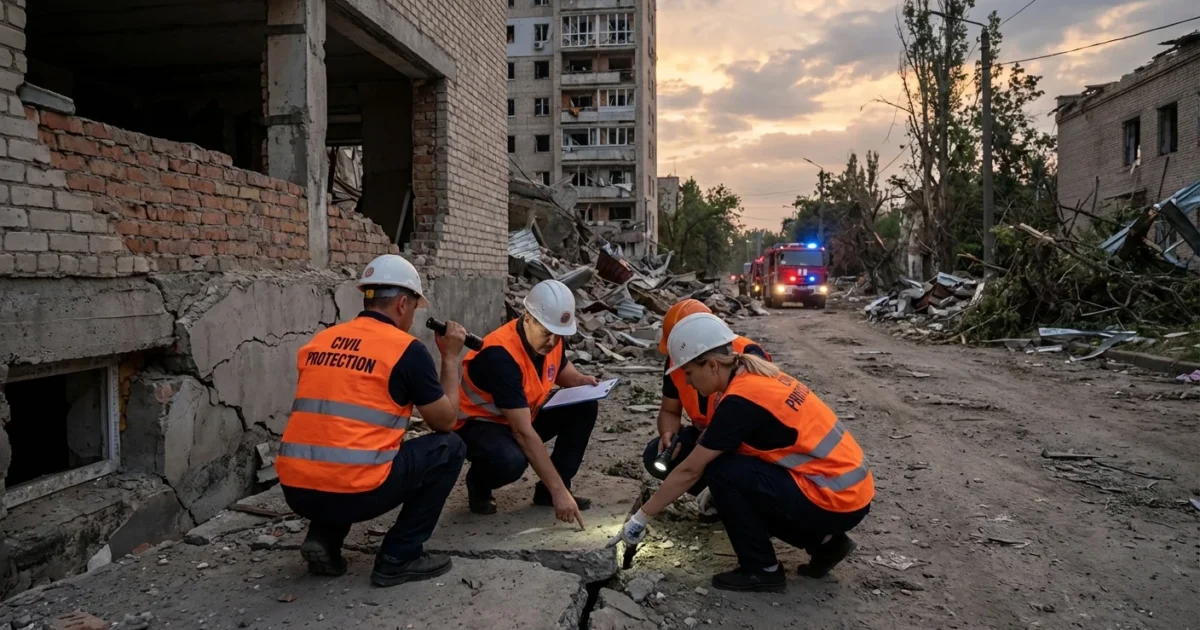
Civil protection teams are surveying buildings and bridges. Hospitals are checking backup power and water lines. Schools followed evacuation drills where alarms sounded in time. I will update as damage reports come in and as aftershocks unfold.
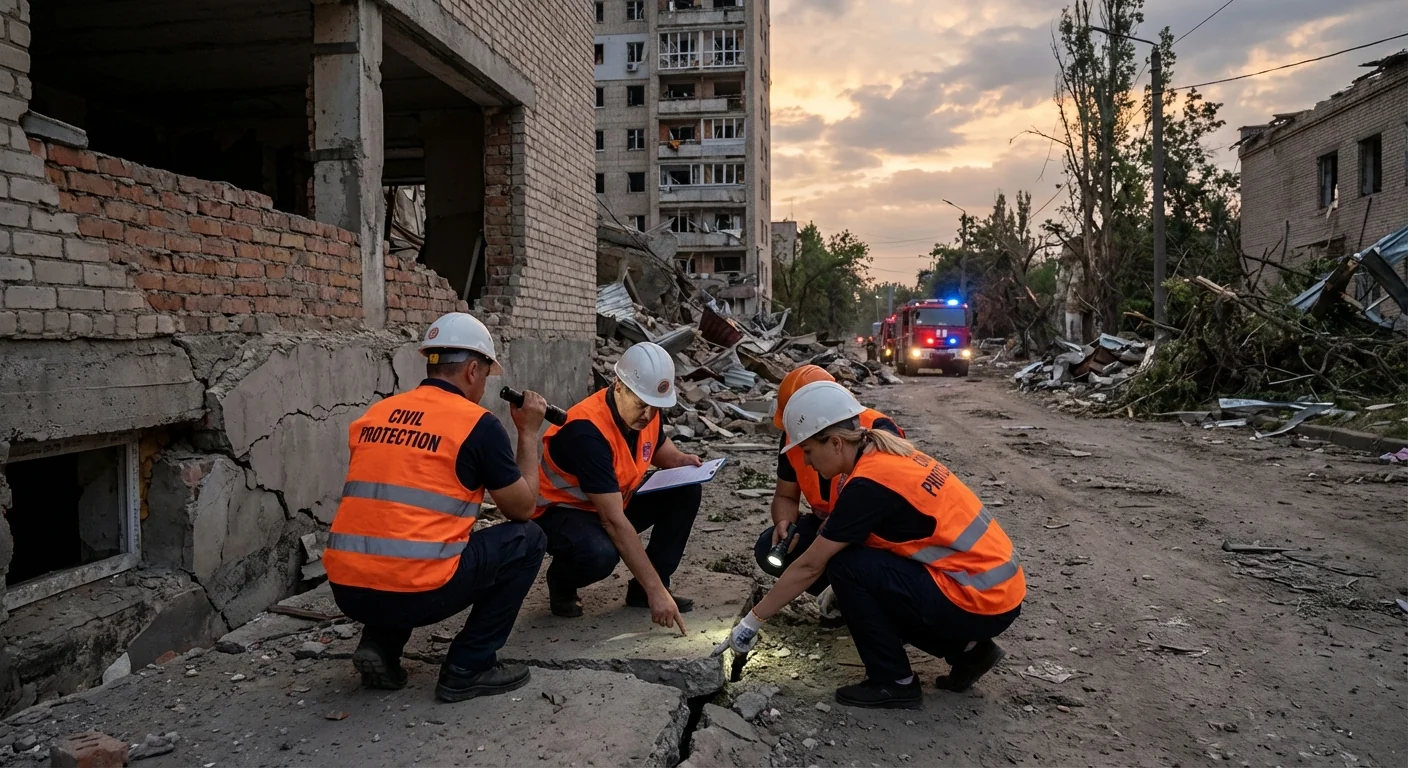
Aftershocks are likely in the first 24 to 72 hours. Stay away from damaged buildings.
Why Mexico shakes, and why that matters now
Mexico sits on a complex tectonic crossroads. The Cocos Plate slides beneath the North American Plate, building stress over years, then releasing it in seconds. That release is what we felt today. Magnitude measures energy. Intensity maps how hard the shaking felt at each place. Together, they guide the response.
Seismic sensors across the region mapped today’s shaking within minutes. The country’s early warning system, SASMEX, likely provided precious seconds to duck, cover, and hold. Those seconds save lives. Mexico has invested in this network for decades. Days like today prove why.
Climate, weather, and cascading risks
Earthquakes are not caused by climate change. But climate can shape the damage that follows. The rainy season can loosen slopes. Quakes can then trigger landslides on hills already soaked. Drought dries soils and stresses roots, which can make some slopes unstable when they shake. Intense storms can leave debris in river channels. A quake can then damage levees and water plants, turning a shake into a water crisis.
Warm ocean patterns like El Niño can shift rainfall, loading certain basins with extra water. That extra weight is small compared with tectonic forces, but it can raise the chance of landslides and floods after a quake. Today’s event is a reminder. Disasters stack, and they find weak points.
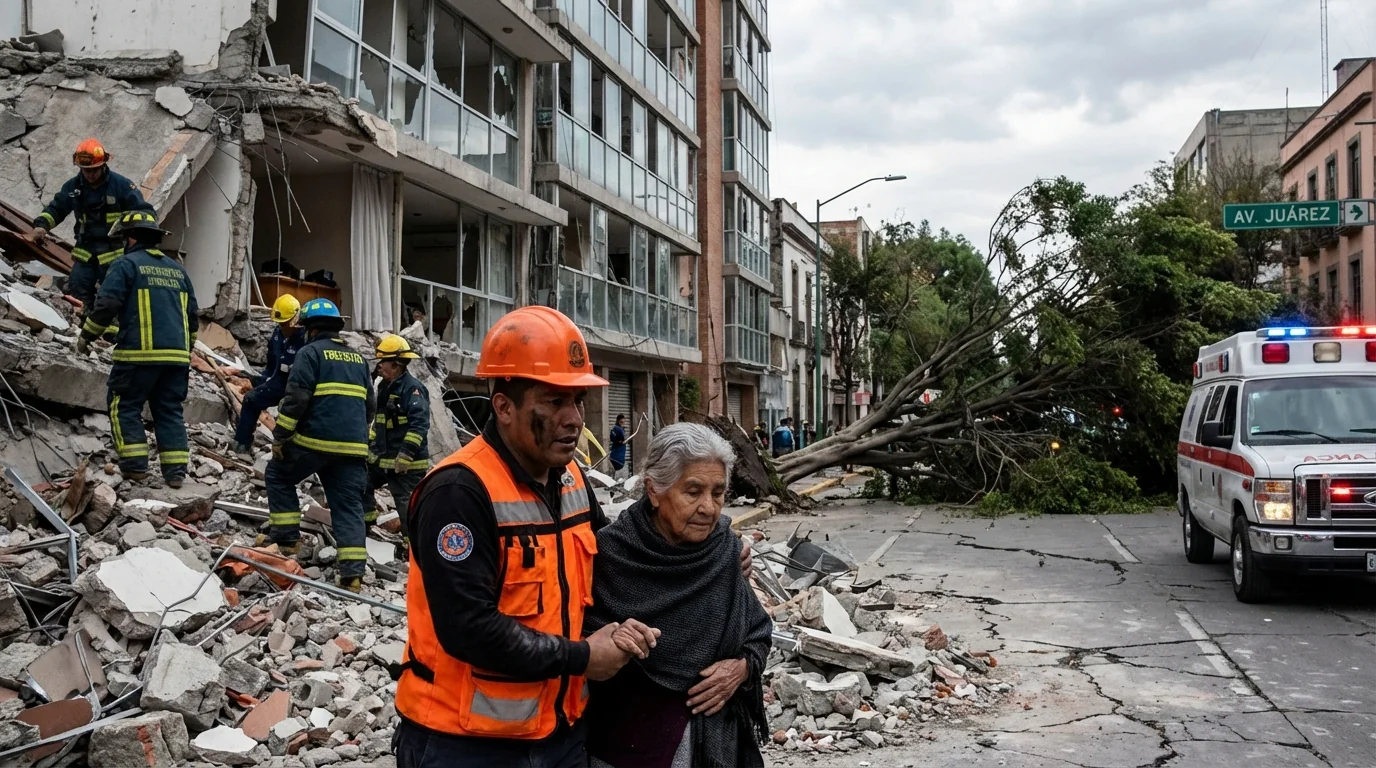
Mapping the impact, strengthening the future
The first hours are about triage, but the next months are about resilience. Seismic retrofits of schools and clinics should be fast tracked in high risk zones. Bridges need modern bearings and joint reinforcements. Lifelines matter, power, water, and data must ride out the shaking.
Sustainability is not only about emissions. It is also about durability. Rebuilding with low carbon concrete, engineered timber, and local stone can cut the footprint and raise strength. Microgrids with solar and batteries can keep clinics online when the main grid trips. Water systems need backup pumps and flexible pipelines. Nature can help too. Restored mangroves and dunes protect coasts from storm waves if a quake weakens seawalls. Healthy forests reduce landslide risk on steep slopes.
Authorities are also reviewing evacuation routes. Clear signage saves time when seconds count. Today showed that people respond when alarms sound. Drills pay off.
Enable alerts from Mexico’s SSN and the SASMEX early warning system. Add USGS notifications if you travel. Keep a go bag by the door.
What to do during aftershocks
If you are near the epicentral region, plan for shaking to continue. Aftershocks can be strong.
- Drop, cover, and hold until the shaking stops.
- Move only when it is safe, watch for falling debris.
- Avoid elevators, use stairs if you must evacuate.
- Check gas lines and electrical panels for damage.
Officials are assessing tsunami risk for Pacific coasts. If you are near the shore and feel long, strong shaking, move inland and uphill. Wait for official all clears. Stay off clogged roads unless you need to relocate.
The read on readiness
Today, the system worked in crucial ways, with alarms, trained staff, and quick mapping. But gaps remain in older buildings and rural towns. Investment must target those gaps, in a warming world where compound extremes strain budgets and people. A quake is a geologic event. The disaster is often man made. We choose how we build, where we plant, and how we power our lives. Strong codes and clean power can go hand in hand.
Conclusion
The earth shook, the nation paused, and then moved. This was a sharp test of Mexico’s preparedness. The science is clear on what comes next, aftershocks, inspections, and repairs. The climate context is clear too, risk stacks and demands smarter design. Keep your alerts on, check on your neighbors, and let the experts do their work. I will update as the data comes in, and as the path to recovery, and resilience, takes shape.