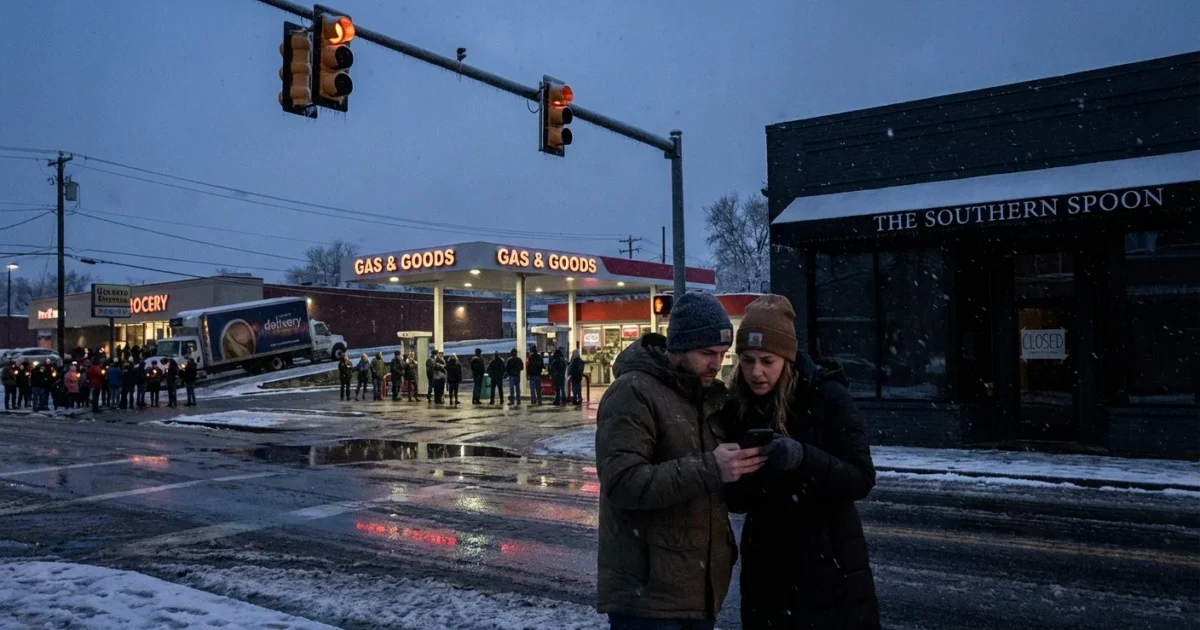
Power Outages Slam Nashville. The Cost Starts Now
Ice snapped lines. Trees fell. Lights went dark across Middle Tennessee this morning. Nashville woke up to a blacked out city, and a growing economic hit. I am tracking outages, crews, and the money risks in real time. The storm is still active. The financial fallout has already begun.
What Happened, And Who Is Hit
Winter Storm Fern pushed a dangerous mix of freezing rain and sleet into the region. Ice built up on lines and hardware, then gravity did the rest. More than 100,000 customers in Tennessee lost power this morning. Nearly 700,000 are out across the country. Nashville sits near the heart of it.
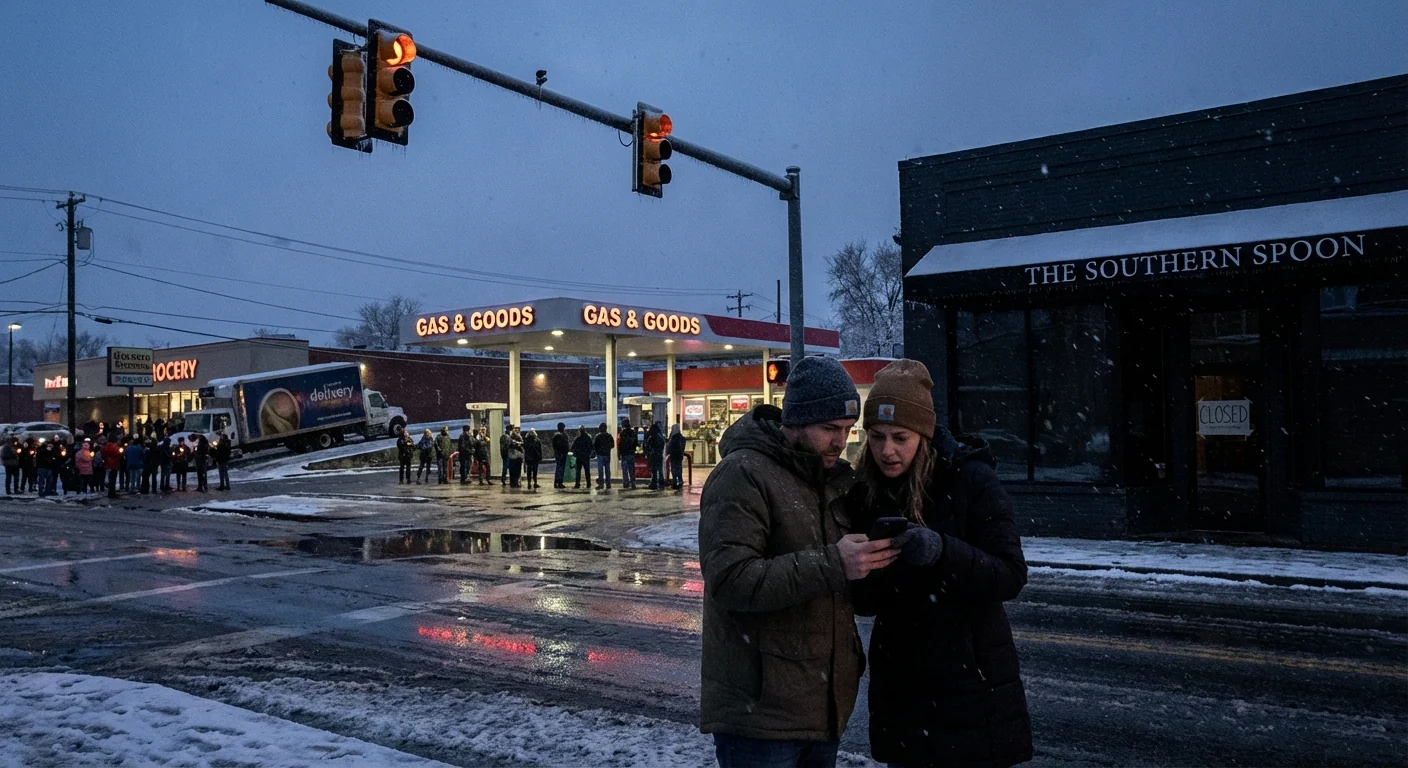
This kind of outage is different. Ice breaks equipment and blocks roads, which slows every repair. Traffic is light, but travel is risky. Airport operations are disrupted. Freight and parcel delivery are delayed. Hotels, grocery stores, and gas stations are juggling surges and shortages. Many restaurants and retailers are dark, with lost sales mounting by the hour.
What Utilities Are Doing, And The Timeline
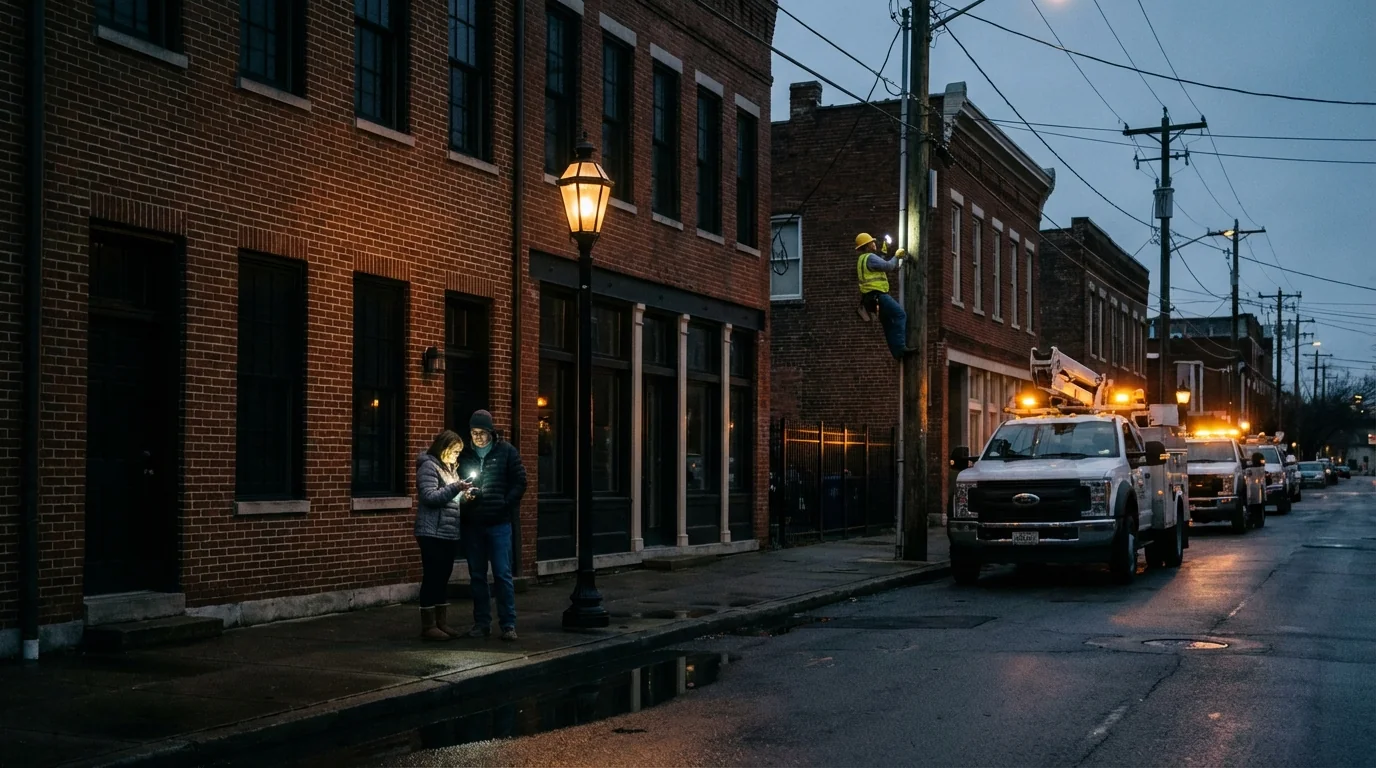
Nashville’s grid runs on Tennessee Valley Authority power, then local crews handle distribution. Line teams are moving now across Davidson and nearby counties. Their first targets are transmission issues, substations, and critical care sites. After that, they work top down, from the biggest feeders to neighborhood lines.
Expect uneven progress. Some neighborhoods will see lights return today. Others will wait into tomorrow or longer, especially where trees and ice make access tough. Restoration time depends on three things, how fast ice melts, how many lines must be restrung, and whether new damage hits the same circuits.
Use generators outside, never in a garage or near windows. Carbon monoxide can kill in minutes.
Grid managers will also juggle demand. Temperatures are frigid. Once areas come back online, heat loads surge. That can trigger fresh trips if not staged carefully. If conditions worsen, controlled outages could be used to protect equipment. Crews will message that clearly if needed.
Markets, Money, And What To Watch
Investors are already pricing the next step. Utility names across the Southeast often dip after storm costs, then recover as regulators allow recovery. This time, hardware losses look heavy, poles, crossarms, transformers, and that means higher replacement bills. Vendors that supply grid hardening, like insulated lines, tree clearing, and automation gear, could see order backlogs build through spring.
Municipal power issuers tied to the region may see a bump in trading. TVA power bonds and local revenue bonds can face brief spread widening as investors assess damage and cash needs. Most have strong liquidity for storms, but disclosure updates will matter over the next two weeks.
Natural gas demand is spiking for heat. Gas and power markets tend to firm after a freeze, as pipelines and generation shoulder higher loads. Coal and hydro output can shift as TVA balances the mix. Airlines with Nashville exposure are writing off a tough weekend. Warehousing and trucking near I-24 and I-40 are bracing for late loads, which can ripple into inventory counts next week.
For Main Street, the cash flow math is blunt. Grocery and hardware stores see a rush, then face spoilage risks if coolers stay dark. Restaurants lose a key weekend. Hotels may win short bookings from families seeking heat. Small firms with thin margins and no backup power face the worst of it.
- Investor watchlist for Monday, Southeast utilities and muni power bonds. Grid hardening suppliers. Natural gas and power pricing. Backup power makers and fuel distributors.
What Nashville Businesses Should Do Today
Protect cash and inventory first. Move perishables, pack ice, and track spoilage for insurance. Check your policy’s business interruption language. Most require a direct physical loss to trigger coverage, so document damage. If you have a generator, stage a safe rotation for equipment and heaters. Keep receipts for fuel and temps for claims.
Keep staff safe and informed. Set clear check in times by text. If you can shift to remote work, do it. If not, plan a slow restart. Power may flicker as circuits stabilize, which can harm electronics. Use surge protection. When service returns, bring high draw machines online one by one.
Seal drafts with towels, close off unused rooms, and layer clothing. Check local warming centers via city alerts if your home is unsafe.
What To Expect Next
Crews will work through the night. The toughest drives sit under ice and downed limbs. Expect priority repairs at hospitals, shelters, water and sewer plants, and main feeders. City and state emergency managers have activated resources, and mutual aid crews are on the way as roads clear.
This storm exposes a well known gap. Much of Middle Tennessee’s grid remains above ground and vulnerable to ice. Undergrounding is costly, but targeted moves pay off, especially on key feeders and hospital loops. Expect more pressure for winter hardening, tree management, and automation that isolates faults faster. Those investments are not cheap, but they are cheaper than a city sitting in the dark.
The bottom line, Nashville is cold and quiet, but not stopped. Power will come back in waves. The bill for repairs and lost output will be real, for utilities, for businesses, and for families. Smart recovery choices now, and smarter grid spending this year, can cut the pain when the next freeze arrives.