BREAKING: Walmart jumps to Nasdaq, posts big digital gains, names new CEO
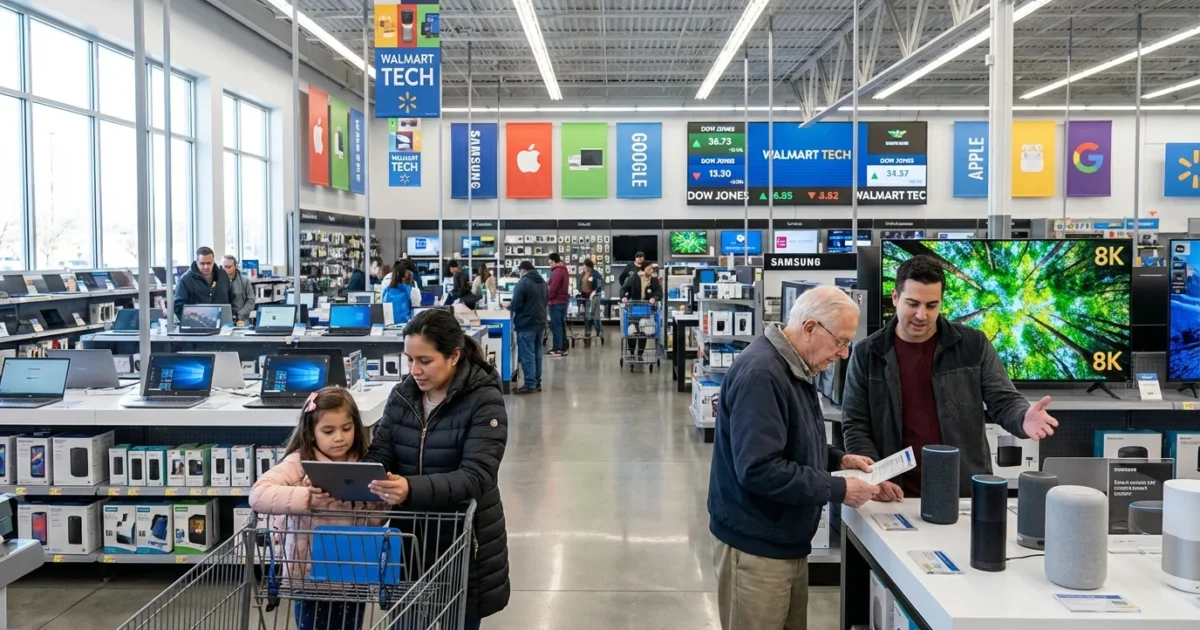
Walmart just fired a starting gun on its next act. The retail giant completed its transfer to the Nasdaq on December 9, delivered a clean beat in fiscal Q3, raised full year guidance, and set a leadership handoff for early 2026. Shares trade near 115.31 as of 15:18 UTC, with an intraday range of 114.69 to 116.22 on about 2.79 million shares. This is not a small shuffle. It is a signal that Walmart wants to be judged as a tech-powered platform, not only a brick and mortar chain.
Why the Nasdaq move matters now
The exchange switch is about identity. Nasdaq is home to many high growth, software, and platform names. Walmart is telling investors its future is driven by code, data, and ads, not just aisles and pallets.
That message fits the numbers. Global e-commerce grew 27 percent in the quarter. Advertising rose 53 percent. These are higher margin engines. They scale with traffic and better data, and they need far less capital than new stores. As the mix tilts toward digital, Walmart can expand profit per dollar of sales.
There is also a practical edge. A Nasdaq listing can broaden the investor base and improve peer comparisons. It puts Walmart next to companies that trade on expectations for recurring digital revenue. That can support a higher earnings multiple over time, if execution stays strong.
Q3 by the numbers, and what they say about demand
Walmart posted revenue of 179.5 billion dollars, up about 5.8 percent year over year. U.S. comparable sales, excluding fuel, rose 4.5 percent. The company lifted full year net sales growth to a range of 4.8 to 5.1 percent and raised adjusted EPS to 2.58 to 2.63. The beat and the raise show steady traffic and resilient spending, even as consumers stay price sensitive.
Advertising is the quiet star. Ad dollars drop fast to profit, since the cost base is light. That is why a 53 percent jump in ads matters more than its size alone suggests. E-commerce growth at 27 percent also helps. It brings larger baskets, stronger membership ties, and more data to target ads.
Holiday execution is a kicker. Walmart pushed its Christmas Eve express delivery cutoff to 5 p.m. local time and added a Get it Now feature in the app. It even clocked a 10 minute delivery on Black Friday. That speed is a moat in a season that punishes late arrivals. 🚚
Key Q3 highlights: revenue 179.5 billion dollars, U.S. comps ex fuel up 4.5 percent, e-commerce up 27 percent, advertising up 53 percent, guidance raised.
Market reaction, valuation setup, and the 2026 story
The stock is holding near 115 today, after a strong year to date performance. The trading range is tight, which fits a market digesting a cluster of catalysts. The core question now is mix. If advertising and marketplace services keep outpacing stores, Walmart’s margin profile improves. That supports a gentle rerating, even in a slower macro.
Investors will watch three levers. First, ad monetization for third party sellers and brands. Second, last mile efficiency that narrows the cost gap in e-commerce. Third, working capital discipline that keeps cash flow sturdy if sales growth cools.

Think of Walmart as a retail network plus a growing ad and data platform. The more shopping moves through its app and marketplace, the more profit each order can carry.
Leadership change adds clarity, not chaos
Doug McMillon will step down after more than a decade of modernization and strong shareholder returns. John Furner, a company veteran, takes the CEO role in February 2026. The handoff looks like continuity. Furner has led the U.S. business through rollout of delivery, pickup, and better on-shelf availability. Strategy does not need a reboot. It needs speed and focus.
That is good news for investors who worry about surprises. The plan is on the table, and the team that built it will run it.
What to watch next
- Holiday sell through, especially in toys, electronics, and grocery
- Ad revenue run rate and brand adoption in Q4
- E-commerce unit economics and delivery cost per order
- Inventory levels and markdowns exiting December
Near term, expect choppy trading as funds adjust to the Nasdaq move and holiday headlines. The medium term rests on digital mix and cost discipline.